

Most riders spend a lot of time picking out their frame, wheels, and bars. The grips usually get picked last - or just grabbed off whatever's in stock. But BMX bike grips are the only part of the bike a rider is always in contact with. That matters more than most people think about.
The wrong grips slip. They wear out fast. They make long sessions uncomfortable in ways that are hard to pinpoint until the hands start aching mid-ride.
There's a decent amount of variety out there - lock-on setups, old school BMX grips, Vans-style waffle patterns, colored options like pink and white, and names like ODI that have been around long enough to earn their reputation. Knowing what the differences actually are makes the choice a lot easier.
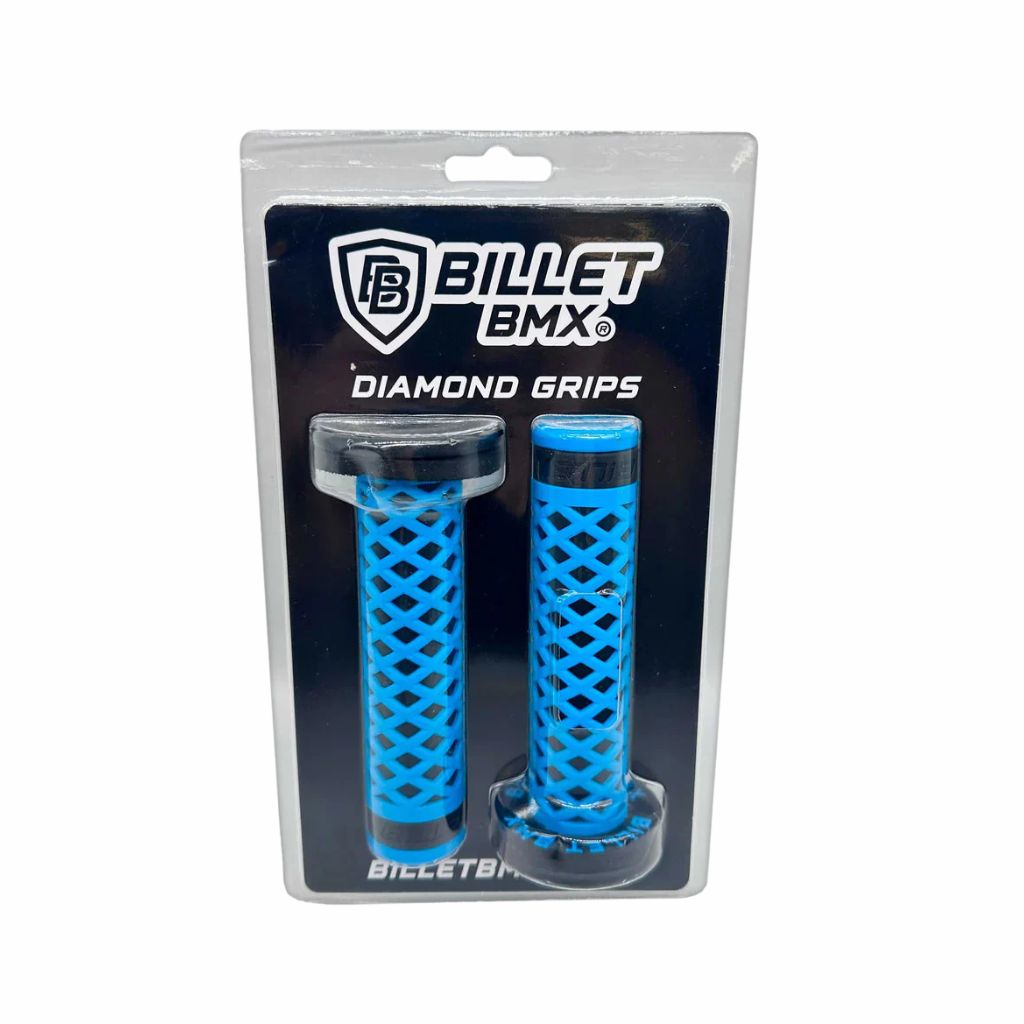
This guide breaks down the main BMX grip types, what to look for before buying, and what riders across the US tend to reach for. Whether someone is building from scratch or just replacing worn rubber, Billet BMX has the options worth knowing about.
The Part Most Riders Don't Think Enough About
BMX bike grips are one of the smallest parts on a bike. They're also one of the most important. Everything a rider does - every turn, every trick, every landing - runs through their hands first. A bad set of grips makes riding uncomfortable fast. A good set just disappears into the ride.
Whether someone is shopping their first setup or replacing worn-out rubber on a park bike, this guide covers what's out there, what the differences actually mean, and what to look for before buying.
Types of BMX Handle Grips
There are a few main categories worth knowing. They're not all the same, and each one fits a slightly different style of riding.
Flanged vs. Flangeless
Flanged grips have a raised end cap that stops the hand from sliding off the bar end. A lot of street and park riders prefer this for control. Flangeless grips are cleaner looking and a bit shorter - some riders just like the feel.
Single Flange vs. Double Flange
Single flange grips have one collar (usually on the outer end). Double flange grips have collars on both sides. The double setup keeps the hand more contained. Good for newer riders or anyone who wants a more locked-in feel.
BMX Lock-On Grips
BMX grips lock-on style use a clamp or collar system that bolts to the handlebar instead of relying on glue or hairspray. They don't slip, they don't rotate, and swapping them out takes maybe two minutes. ODI grips in the lock-on style have been popular with serious riders for years - and for good reason. Reliable, consistent, and easy to replace.
Old School BMX Grips
It are longer and softer than modern setups. They were designed for the longer bars common in the 80s and 90s. Some riders still prefer them for cruisers and old-school builds - the extra length and plush feel is part of the appeal.
Vans BMX Grips
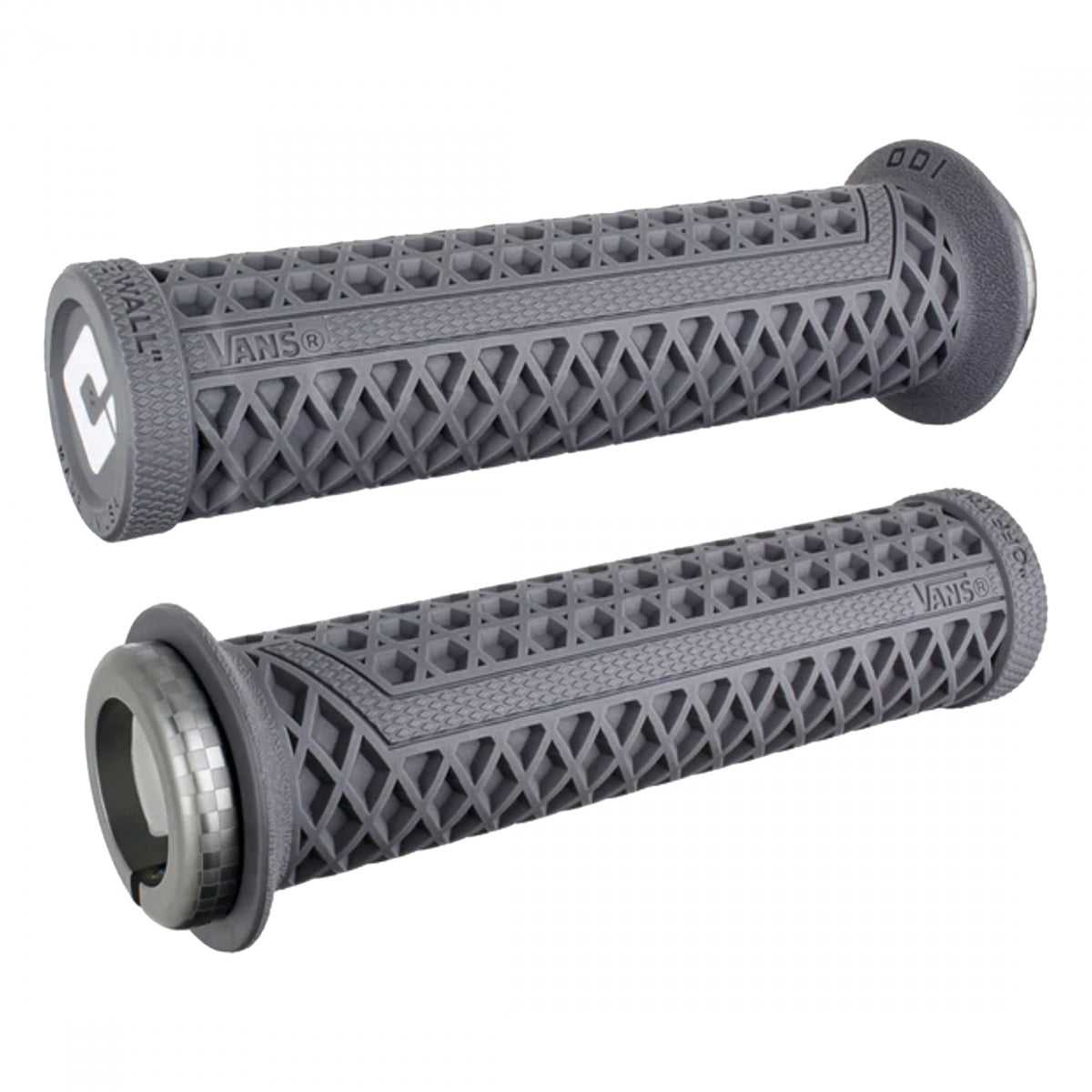
It use a waffle tread pattern - the same texture as the Vans shoe sole. Vans BMX Grips gives a firm, grippy surface that a lot of street riders swear by. Not the softest grip, but the traction is hard to argue with.
Color Options: Pink, White and Beyond
A lot of riders think about grip performance first and color second. But color does matter - it's part of how a build looks put together.
BMX grips pink and BMX grips white are two of the most requested colors, especially for builds that go for a clean or retro aesthetic. White grips tend to show dirt faster, but they look sharp on the right setup. Pink is popular with riders who want something that stands out.
At Billet BMX, grip options cover a wide range of colors and styles so riders can match their bars without having to compromise on quality.
Billet BMX - Built for Riders
Find the Right BMX Bike Grips for Your Ride
Lock-on, flanged, old school or Vans-style - Billet BMX stocks grips for every setup and riding style across the US.
Shop BMX Grips
How to Choose BMX Handlebar Grips
There's no single "best" grip for every rider. It depends on a few things.
Bar diameter Standard BMX bars are 22.2mm at the grip area. Most grips on the market are sized for this. But always check - some cruiser bars run wider, and some grips are designed specifically for those.
Compound and texture Softer rubber absorbs more vibration. Harder compounds last longer but transfer more buzz on rough surfaces. Waffle-pattern textures (like those seen on Vans BMX grips) give a lot of grip with less hand fatigue over long sessions. Smooth or ribbed surfaces are more of a personal preference.
Grip length Standard BMX grips run around 150mm. Old school BMX grips can go up to 165mm or longer. Riders with larger hands usually prefer something on the longer end.
Mounting style Lock-on grips (like ODI grips in lock-on) are easier to install and won't spin. Traditional slip-on grips need to be secured with glue or grip solvent - they're fine once set but take more effort to swap out.
Color and look It sounds simple, but a set of white grips on a dark build or pink grips on a clean chrome frame can make a real difference in how the bike presents. Billet BMX carries enough color options that matching the aesthetic isn't a compromise.
What Riders in the US Are Actually Using
Among riders at skateparks and street spots across the country, lock-on grips have become increasingly common. They're cleaner to install and hold up well. ODI grips remain one of the most recognized names - the lock-on versions especially.
For riders building retro setups, old school BMX grips are the go-to. The longer profile and softer feel match the riding style and the aesthetic.

The best BMX grips aren't necessarily the most expensive ones. They're the ones that fit the rider's hands, match the bar diameter, and stay put through a full session.
BMX Grip Types at a Glance
A Note on Skateparks and BMX Bikes
A question that comes up a fair bit: why are BMX bikes not allowed in skateparks? The short answer is that not all skateparks ban them - it varies by location and facility policy. Some parks restrict BMX bikes because pegs can dig into coping and ledges, causing damage over time. Others have open sessions or designated BMX areas. It's always worth checking the specific park's rules before showing up. Rules vary a lot across different states and cities in the US.
Wrapping Up
Grips don't need to be complicated. The right set comes down to riding style, bar size, preferred texture, and how someone wants the bike to look. For most US riders, a lock-on setup from a brand like ODI is a solid starting point. For retro and cruiser builds, old school BMX grips still hold up well.
Billet BMX carries a range that covers all of it - from standard to colored options like pink and white, to lock-on setups built for daily use. If someone's replacing worn grips or building a new setup from scratch, it's a good place to start.
Frequently Asked Questions
What are the best BMX grips?
The best BMX grips depend on riding style and preference. Lock-on grips from brands like ODI are widely trusted for park and street riding. Vans-style waffle grips are popular for traction. Billet BMX stocks several reliable options suited for different setups across the US.
Are all BMX grips the same size?
Most standard BMX grips are designed for 22.2mm handlebars, which is the industry standard. However, grip length varies - old school BMX grips tend to run longer than modern ones. Always confirm bar diameter before buying, especially for cruiser or custom builds with non-standard bar sizing.
Why are BMX bikes not allowed in skateparks?
Not all parks ban BMX bikes outright - it depends on the facility. Many skateparks restrict BMX because pegs can damage coping, ledges, and concrete surfaces over time. Some parks hold separate BMX sessions or have dedicated zones. Rules vary widely across different cities and states throughout the US.
What's the difference between BMX grip types?
The main differences are in mounting style, texture, and length. Lock-on BMX grips clamp to the bar and won't spin. Slip-on grips need glue or solvent. Vans BMX grips use a waffle pattern for traction. Old school grips are longer and softer. Each suits a different riding style or bike setup.
Do BMX grips come in different colors like pink or white?
Yes - BMX grips pink and white are both common color options. White grips suit clean or chrome builds but show dirt faster. Pink is popular for custom and standout setups. Billet BMX offers grip options in multiple colors so riders can match their build without having to sacrifice grip quality or performance.


