

Picking the right BMX bike parts is one of those things that looks simple until a rider actually starts doing it. There are hundreds of options across dozens of categories, and the terminology alone can slow things down. This guide breaks it all down by part type, what each one does, and what actually matters when making a choice.
Whether someone is putting together their first complete build, replacing worn components, or upgrading a stock setup, the same basic knowledge applies. BMX bike parts don't need to be complicated. They just need to fit the rider's style and hold up to how they actually ride.
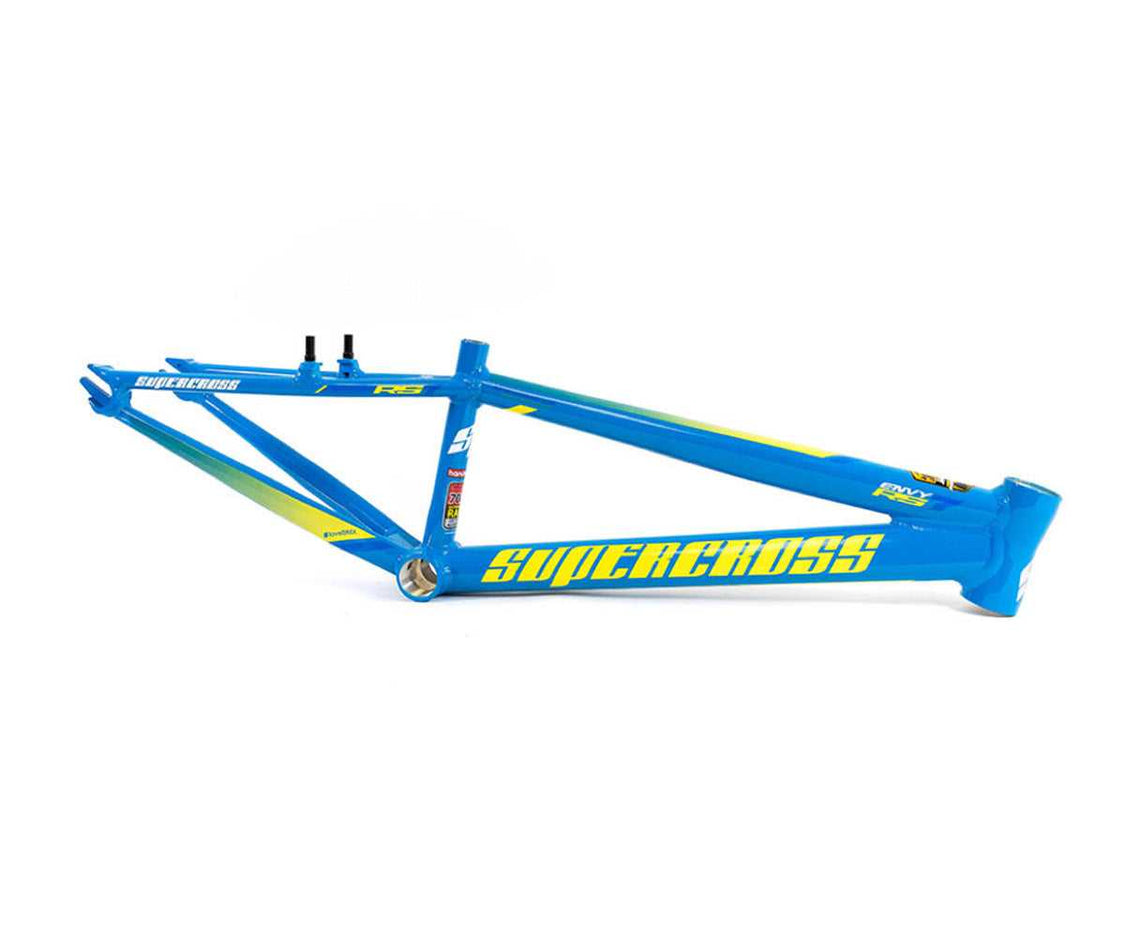
The Frame: Where Every Build Starts
The frame is the core of any BMX bicycle build. Everything else attaches to it, so getting this right matters more than any single component choice. Frames come in different top tube lengths - typically ranging from around 20 inches to 21.5 inches for adult riders - and the right size depends on the rider's height and riding style.

Street riders generally prefer shorter, lighter frames that respond quickly. Park and ramp riders tend to run longer setups for more stability at speed. Geometry matters more than brand in most cases, but material does too. Most quality frames today are chromoly steel. It's strong, repairable, and handles the kind of abuse that BMX riding involves on a regular basis.
Handlebars, Stems, and Forks
These three parts work together and should be treated as a system. Handlebars affect reach, comfort, and how the bike responds to rider input. Two-piece bars are the current standard - they're lighter than four-piece and just as strong in most riding situations. Rise and width both affect feel, and small differences make a noticeable change.
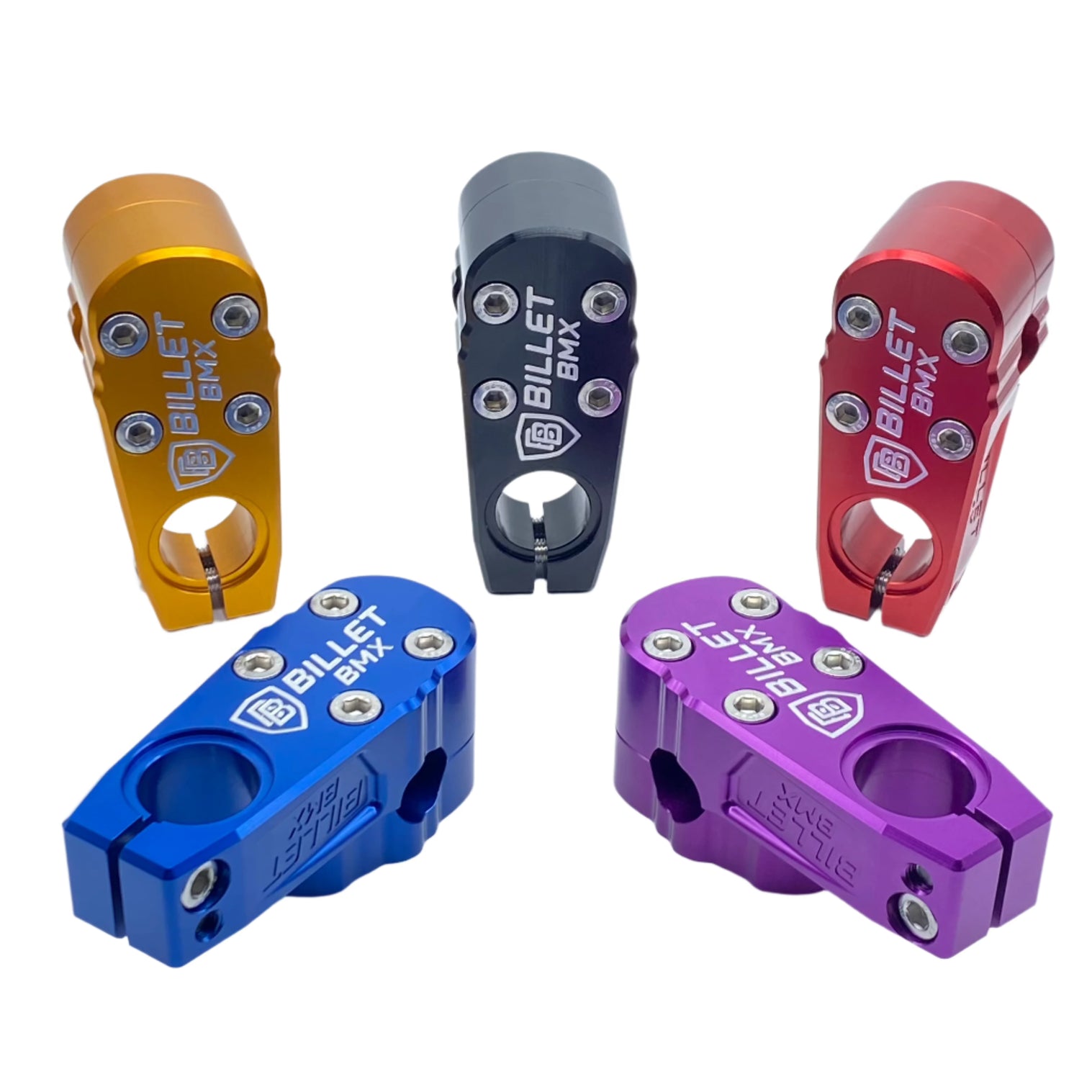
Stems hold the bars to the fork. Most riders run either a top-load or front-load stem depending on bar height preference. Forks carry the front wheel and connect to the frame through the headset. Offset - the distance from the fork's centerline to the axle - affects how the front end tracks. A lower offset gives a more stable, planted feel. Higher offset sharpens response.
Billet BMX carries a full range of steering components across these categories, including options suited for both newer riders working with a budget and experienced riders who want something built to spec.
Drivetrain: Cranks, Gears, and Chains
The drivetrain is what actually moves the bike. For BMX, that's a fairly simple system - cranks, a sprocket, a chain, and a freewheel or driver. But simple doesn't mean unimportant. A worn chain skips. Bent cranks put stress on the bottom bracket. A loose sprocket wastes pedal input.
Most riders run a 25/9 gear ratio, though some prefer 28/9 for a little more top-end speed. Crank arm length is another variable - 170mm and 175mm are the most common. Shorter arms generally suit smaller riders or those who prefer a faster spin. Longer arms give more leverage, which helps on bigger jumps and at speed.
The bottom bracket sits inside the frame and holds the cranks. Mid and Spanish are the two most common standards. Matching the bottom bracket to the frame's shell size is a detail that's easy to overlook and annoying to get wrong.
Wheels, Tires, and Hubs
BMX wheels take a significant impact. Rim strength matters - double-wall rims are the minimum for anything other than casual riding. Spoke count and lacing pattern affect both strength and weight. Most performance-oriented builds run 36 spokes.
Hubs are one of the most brand-sensitive parts on the bike. A quality rear hub with solid engagement makes a real difference in how the bike responds when the rider puts in a pedal stroke. Cassette hubs are standard at the performance level. Freewheel hubs are common on entry-level and mid-range builds. Both work, but cassette setups are generally lighter and more durable over time.
Tires are one of the easiest upgrades on any BMX bicycle. Tire width affects grip and feel - wider tires run lower pressure and absorb more impact. Street riders tend to run harder, narrower tires. Dirt and park riders lean toward something wider with a bit more knob. Folding bead tires save a small amount of weight, but wire bead options are more affordable and still perform well.
Brakes: Whether to Run Them or Not
Brakes are optional in BMX - plenty of street riders run brakeless. But for park, trail, and anyone still learning, a rear brake adds a lot of control. U-brakes and V-brakes are the two most common types for BMX. U-brakes mount under the chainstay or on the seat stay. V-brakes are more common on bikes where the mounting posts are already installed for them.
Cable routing matters if the bike runs a rotor or gyro for bar spins. A gyro lets the bars spin freely without tangling the brake cable. It adds a small amount of weight but removes a significant limitation for riders who spin frequently.
Pegs, Seats, and the Details That Add Up
Pegs are an accessory that becomes a necessity for street riders. Most are made from steel or aluminum - steel grinds better and lasts longer, aluminum saves weight. Length and diameter both affect how a grind feels. Shorter pegs are more common for technical street work. Longer ones give more surface area for rails and ledges.
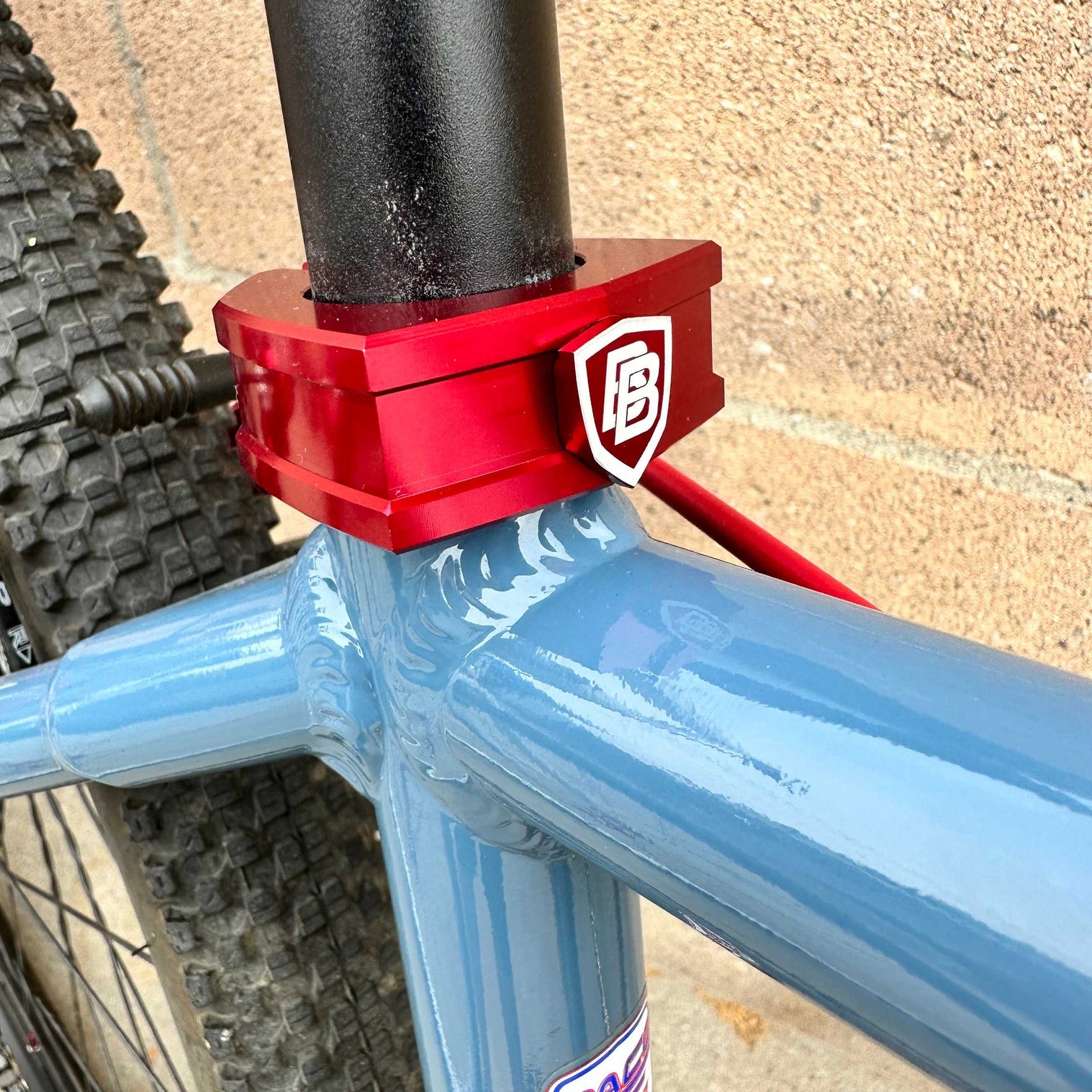
Seats matter more than most new riders expect. A thin, firm seat is standard for tricks. Thicker seats are more comfortable for longer rides but get in the way of certain movements. Seat post and clamp sizes need to match the frame's seat tube diameter.
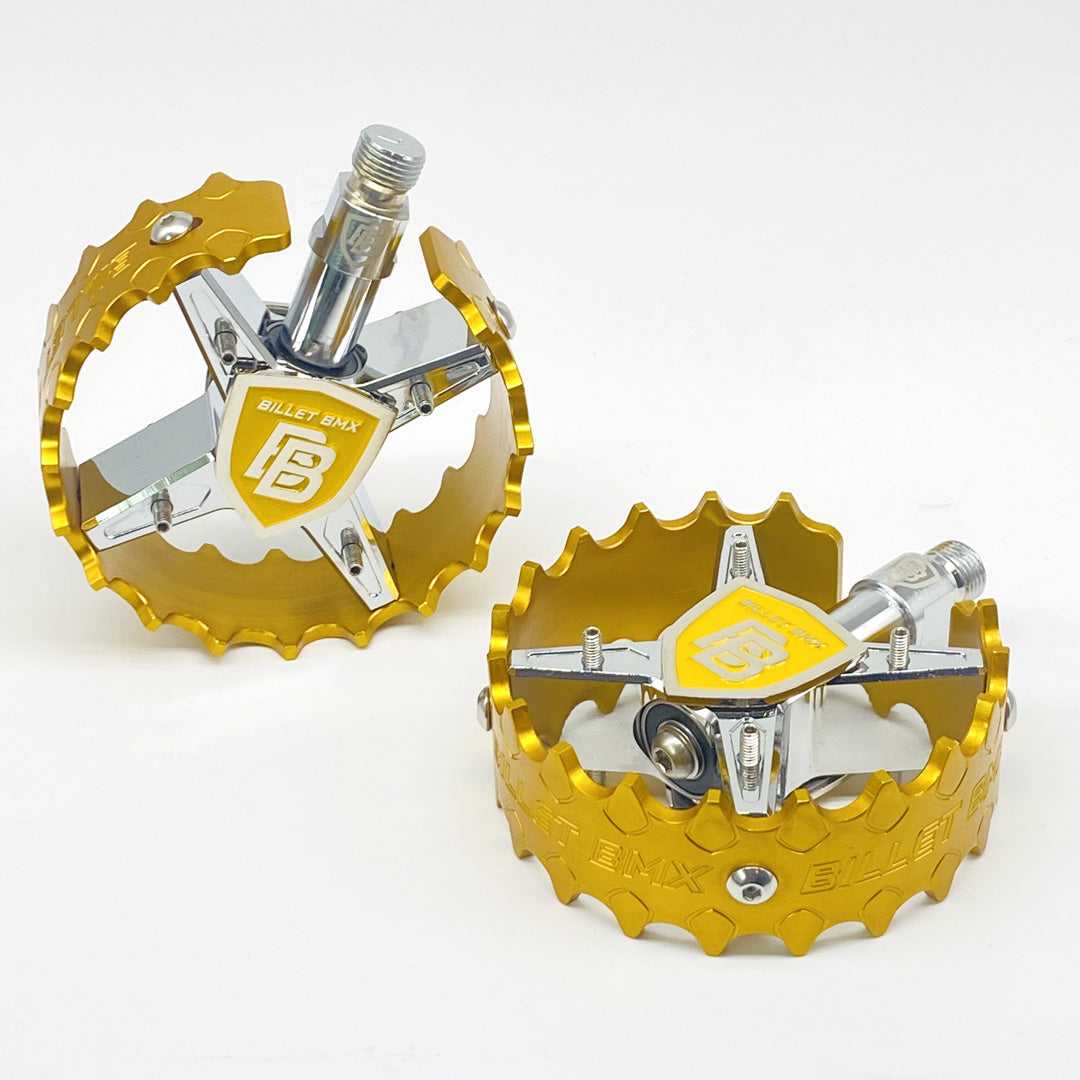
The smaller stuff - axle nuts, headset spacers, valve stem caps, grip ends - doesn't seem important until it's missing or broken. Running quality hardware across these small parts keeps things from rattling loose mid-session. Billet BMX stocks a complete range of these components so riders aren't stuck ordering one small piece from three different places.
How to Choose BMX Parts Based on Riding Style
Street riding puts the most stress on the frame, pegs, and front end. A durable chromoly frame, tight headset, and solid forks matter most here. Park and ramp riding demands reliable wheels and a responsive drivetrain. Dirt jumping puts more stress on the frame and tires than almost anything else.
Racing setups prioritize weight above nearly everything. Lighter wheels, shorter cranks, and a geometry built for straight-line speed. BMX racing parts overlap with freestyle parts in some categories but diverge significantly in others - particularly around tire width, gear ratios, and bar height.
Riders who are just starting out don't need top-tier components across the board. A solid mid-range frame, decent wheels, and reliable brakes will get the job done. Upgrading makes more sense once a rider knows what they actually want to change about how their bike feels.
Buying New vs Used BMX Parts
Used parts can save money, but they carry risk. Chromoly frames and forks can crack in places that aren't easy to spot. Hubs can have worn pawls that feel fine until they slip. For structural components - frame, forks, cranks - buying new is worth it. For things like grips, seats, and accessories, use is usually fine.
Buying from a shop that knows BMX, rather than a general sporting goods store, matters too. Generic shops often carry stock that doesn't reflect how the sport has actually developed. Places like Billet BMX focus specifically on BMX bicycle parts and tend to carry options that reflect what riders are actually running.
Maintenance Keeps Parts Working Longer
Even quality BMX parts wear out if they're ignored. A chain that runs dry will wear the sprocket faster than one that's been properly lubed. Headsets get loose and develop play that affects steering. Spokes go out of tension over time. None of this is complicated to address - it just needs to happen regularly.
Checking bolt torque after hard sessions is a habit that prevents a lot of problems. Same with inspecting the chain for stretch and the tires for cuts or sidewall wear. Riders who do basic maintenance spend less overall because they're replacing single worn components rather than a system that's gone bad because one part was neglected.
The goal with any BMX setup - beginner or advanced - is a bike that responds predictably and holds up through regular riding. Good parts help. But so does knowing what those parts actually do and paying attention to how they perform over time.
Featured BMX Parts
Conclusion
Building a solid BMX setup comes down to knowing what each part actually does and choosing components that match how someone rides. There is no single right answer across the board - a street rider and a park rider need different things, and a beginner does not need the same spec as someone who has been riding for years. Billet BMX makes it easier to find the right bmx parts without sorting through options that don't apply. The right components, maintained properly, make every session more consistent. That is really what it comes down to.
Frequently Asked Questions
Q1. What are the most important BMX bike parts to upgrade first?
The frame, wheels, and cranks make the most noticeable difference. These carry the most load and wear the fastest. Upgrading one of these before smaller parts gives a rider a more reliable base to build the rest of the setup around.
Q2. Are BMX parts from different brands compatible with each other?
Most BMX bicycle parts follow standard sizing, so cross-brand compatibility is generally fine. The main exceptions are bottom bracket standards, hub driver types, and axle sizes. Always check the spec sheet before ordering a replacement part for an existing build.
Q3. What is the difference between chromoly and hi-ten steel for BMX frames?
Chromoly is stronger and lighter than hi-ten steel, which means frames can be built thinner without losing durability. Hi-ten is less expensive and works fine for lighter riders or casual use. For regular riding and tricks, chromoly holds up significantly better over time.
Q4. How often should BMX parts be inspected or replaced?
Chains and tires should be checked every few sessions. Bolts, spokes, and the headset should be reviewed monthly for riders who ride regularly. Structural parts like the frame and forks should be inspected for cracks or bends after any significant impact or hard crash.
Q5. Does Billet BMX carry parts for specific bike models?
Yes. Billet BMX organizes BMX parts by specific bike model, including SE Bikes, GT Bicycles, Throne Cycles, and Zooz Bikes. Riders can shop by their exact model to find components confirmed to fit, which removes most of the guesswork around compatibility.


