

Most bike problems don't show up overnight. A slightly loose headset, a tire running a little soft, a tube that's been patched one too many times - these small issues build up quietly until a ride gets cut short. The good news is none of this requires a mechanic or a trip to a shop every time something feels slightly off. With the right basics, most riders can catch and fix these problems themselves before they turn into bigger, more expensive repairs down the line.
Here are eight practical things every rider should know about keeping a bike's headset, tires, and tubes in good shape.
1. Learn What a Loose Headset Actually Feels Like
A headset connects the fork to the frame, and when it loosens, steering starts to feel slightly off before it becomes an obvious problem. The classic test: squeeze the front brake and rock the bike back and forth. Any clunking or play at the headset means it needs tightening.
Quality BMX headsets are sealed to keep dirt and moisture out, but even sealed bearings need periodic checks. Riders who skip this step often notice steering feels vague or "notchy" well before they realize the headset is the actual cause.

2. Don't Wait for a Flat to Check Tire Pressure
Bike tire pressure drops gradually, even without a puncture. Riding on a soft tire increases the risk of pinch flats, makes the bike feel sluggish, and wears down the sidewall faster than normal.
Most BMX tires list a recommended PSI range right on the sidewall. Checking pressure weekly, especially before longer rides or sessions at the park, takes less than two minutes and prevents a surprising number of avoidable flats.
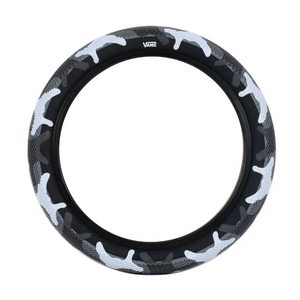
3. Keep a Portable Tire Pump Within Reach
A portable tire pump is one of those items that seems unnecessary until the exact moment it's needed. Flats rarely happen at a convenient time or location, and walking a bike home because of a soft tire is a frustrating way to end a ride.
Compact pumps that attach to a frame or fit in a bag make it easy to top off pressure on the spot. For riders who go out regularly, this is one of the cheapest pieces of insurance available for a BMX setup.
4. Understand When a Tube Needs Replacing, Not Patching
Patching bicycle inner tubes works fine for a single small puncture, but tubes that have been patched multiple times tend to fail again, often at the worst moment. If a tube is showing several old patches or the rubber feels brittle, it's usually cheaper in the long run to just replace it.
Carrying a spare tube along with a multitool and pump covers most roadside repairs without needing to walk home or call for a ride.
5. Match Tube Size to Tire Size Exactly
A surprisingly common mistake is installing a tube that's the wrong size for the tire. Tubes that are too small can stretch unevenly and blow out, while oversized tubes bunch up inside the tire and create uneven wear or pinch points.
Tire sidewalls list both the diameter and width range, and matching tube size to that range avoids most installation headaches. Billet Bmx carries tubes sized specifically for BMX wheel diameters, which removes the guesswork that comes with generic universal options.
6. Inspect Headset Bearings During Regular Tune-Ups
Bearings inside BMX headsets wear down gradually from repeated steering and impact, especially for riders doing tricks or riding rough terrain regularly. A full inspection every few months - checking for grit, dryness, or rough rotation - catches wear before it turns into a full headset replacement.
Cleaning and re-greasing bearings during a regular tune-up extends their life significantly. This is a small maintenance task that pays off in smoother, more predictable steering over time.
7. Rotate Tire Checks Into a Regular Routine
Tire wear isn't always obvious from a quick glance. Cracked sidewalls, embedded debris, or uneven tread patterns all signal it's time for a replacement before a flat happens mid-ride. Riders who check tires on the same schedule as headset bearings catch these issues earlier and avoid emergency fixes.
Setting a simple monthly routine - pressure check, tread inspection, headset wobble test - takes only a few minutes but adds up to noticeably fewer surprise breakdowns over a riding season.
8. Don't Ignore Valve Stems and Rim Tape
Tube failures aren't always about the rubber itself. A worn valve stem can leak air slowly enough that it's mistaken for a normal pressure drop, while damaged or missing rim tape can let a spoke nipple puncture a tube from the inside. Both are easy to overlook during a quick visual check.
Inspecting rim tape whenever a tire comes off for any reason - and replacing it if it's torn, shifted, or thinning - prevents a frustrating repeat puncture pattern that has nothing to do with road debris or sharp objects outside the tire.
Why Small Maintenance Habits Matter More Than Big Upgrades
It's tempting to focus on upgrading frames or components, but a bike with a loose headset or worn tires won't perform well no matter how good the rest of the build is. These maintenance basics are inexpensive and quick compared to dealing with a failed bearing or a blown tube mid-session, and they're the kind of checks that take far less time than most riders assume once they become routine.
Billet Bmx stocks the parts that make this kind of regular upkeep simple - sealed BMX headsets built to handle daily riding, properly sized bicycle inner tubes, durable bike tire options, and compact portable tire pump models that fit easily into a bag or attach right to the frame. Riders who build these checks into a regular routine spend less time on repairs and more time actually riding.
Closing Line
Keeping a bike dialed in doesn't require a full workshop or advanced mechanical skill. A few consistent habits, paired with the right replacement parts when something does wear out, go a long way toward avoiding the kind of mid-ride breakdowns that end a session early and turn what should be a quick fix into a lost afternoon. Billet Bmx makes sourcing those parts straightforward, so maintenance stays simple instead of becoming a hassle riders dread dealing with.
FAQs
1. How often should BMX headset bearings be checked?
Every few months for regular riders, or sooner if steering feels loose or notchy. Riders doing tricks or rough terrain frequently should inspect bearings more often since wear happens faster under repeated impact.
2. What PSI should BMX tires be inflated to?
It varies by tire, but most sidewalls list a recommended range. Staying within that range reduces pinch flats and sidewall wear, while running too low increases puncture risk significantly during normal riding.
3. Is it better to patch a tube or replace it?
A single small puncture is fine to patch. Multiple patches or brittle rubber usually means replacement is safer, since previously patched tubes tend to fail again, often without warning during a ride.
4. Why does a BMX headset feel loose after a while?
Bearings wear down gradually from steering stress and impact. Loose headsets often start subtly, with vague steering, before becoming an obvious clunk that's noticeable when squeezing the front brake and rocking the bike.
5. Is a portable tire pump really necessary for casual riders?
Yes - flats happen unpredictably regardless of riding frequency. A compact pump costs little and prevents the inconvenience of walking a bike home or canceling a ride over a simple pressure issue.


