

BMX headsets may look like a small part, but they play a major role in steering, bike feel, and front-end setup. For riders building or upgrading a bike, understanding BMX headsets, headset spacers, custom headset caps, and the headset top cap helps make the right choice the first time.
Why headsets matter
A headset connects the fork and frame so the bars turn smoothly and stay stable under load. When the fit is wrong, riders can feel play in the front end, rough steering, or a setup that never feels fully dialed in. That is why the headset is one of the first parts worth checking during a build or refresh.

For BMX bikes, the headset style depends on the frame and fork design. Modern bikes commonly use integrated headsets, while older or certain entry-level setups may use standard or internal styles. The right match depends on the head tube, bearing size, and whether the frame was designed for a pressed-in cup or a direct-fit bearing system.
Main BMX headset types
Most BMX riders run one of three headset styles: integrated, standard, or internal. Integrated systems are popular because they install cleanly and keep the front end simple, while standard headsets use pressed cups and often appear on older or lower-end builds. Internal headsets sit between the two, using cups pressed into the frame but with a cleaner appearance than older external designs.
Here is a simple way to think about them:
Integrated: Best for many modern BMX frames, with bearings that sit directly in the frame.
Standard: Uses pressed-in cups and is common on older or traditional setups.
Internal: Also uses pressed cups, but with a more compact look and sealed cartridge bearing support.
For riders shopping by style, the safest move is to match the headset to the frame specification rather than choosing by appearance alone. A clean-looking headset is nice, but fit and bearing type matter more than color or branding.
Sizes and compatibility
BMX headset size is one of the most important details to check before buying. Many modern freestyle bikes use 1-1/8 inch threadless setups, while old school BMX bikes often use 1 inch threaded systems. Race and freestyle bikes can vary more than riders expect, so compatibility should be confirmed before ordering.
Another common question is whether BMX headsets are universal. In many cases, BMX aftermarket parts are broadly compatible, but not every headset fits every frame because head tube dimensions and fork steer tube sizes still have to line up. That means a headset may be “universal” in the marketing sense, yet still require the correct style and diameter for the bike.
Headset spacers and caps
Headset spacers help fine-tune handlebar height and stem placement. They sit above or below the stem to adjust fit without changing major parts, which makes them useful for riders dialing in comfort or bar rise. In practical terms, spacers also help create the correct stack height for proper headset preload.
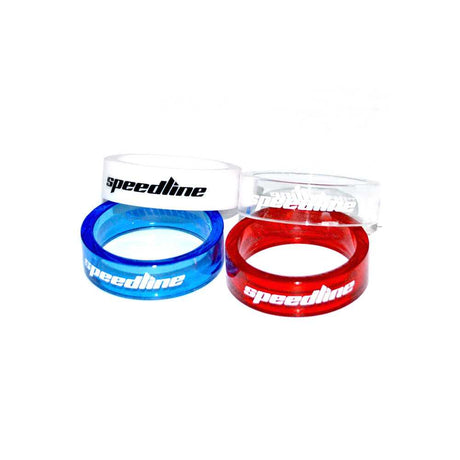
The headset top cap is the part that applies preload to the bearings before the stem bolts are tightened. If it is too loose, the front end can develop play; if it is too tight, steering may feel stiff. Riders often pair a functional cap with custom headset caps or a styled bike headset cap to give the front end a finished look while still serving the mechanical job.
For riders who want both performance and style, this is where billet BMX parts stand out. Billet BMX has featured headset top caps in stylish finishes, with reported price ranges around $18.95 to $19.95 for some cap options, showing how small parts can also be a visual upgrade.
Choosing the right setup
The best headset choice starts with the frame, then moves to bearing style, then to personal preference. A rider restoring an old school bike will usually need a very different setup than someone building a modern dirt or park bike. Once the base fit is correct, details like headset spacers and a custom cap become the final tuning tools.
A practical buying order looks like this:
-
Confirm the frame type and headset standard.
-
Check whether the fork is 1 inch, 1-1/8 inch, or another compatible size.
-
Choose the correct integrated, standard, or internal headset.
-
Add spacers to reach the preferred bar height.
-
Finish with a headset top cap that matches the build.
For riders comparing options, Billet BMX is a strong place to check because it combines function, finish, and fit-focused BMX parts in one brand. That makes it easier to build a bike that looks custom without sacrificing headset performance.
Price check from Billet BMX
Billet BMX’s site shows a broad BMX parts catalog, and product listings from partner retailers show Billet BMX headset kits and top-cap-style upgrades in the premium accessory range. One listed Billet BMX headset kit appears at $159.99, while Billet BMX top cap style accessories have been listed around $18.95 to $19.95.
That price spread makes sense because headset systems and decorative caps do different jobs. A full headset kit covers the bearings and fit, while a custom headset cap is usually a finishing piece that adds style and branding to the front end. Riders who want a more personalized setup often start with the headset itself and then add a matching cap later.
What riders should watch for
A headset may seem easy to replace, but small mistakes can create front-end issues. Common problems include ordering the wrong size, mixing incompatible bearing styles, or using spacers incorrectly so the stem cannot preload the headset properly. Riders should also make sure the top cap is tight enough to remove play, but not so tight that steering binds.
When the bike is set up correctly, the steering feels smooth, the front end stays quiet, and the bike looks more complete. That is why even a simple upgrade like a clean bike headset cap or a matching set of headset spacers can improve the overall feel of the build.
In Summary
Billet BMX headsets and matching accessories make sense for riders who want a solid fit, clean style, and a custom finish in one build. With the right headset spacers, custom headset caps, and the correct headset top cap, the front end can feel better and look sharper at the same time, which is exactly the kind of upgrade Billet BMX is known for.
Frequently Asked Questions
What are BMX headsets?
BMX headsets are the bearing systems that let the fork turn smoothly inside the frame’s head tube. They come in integrated, standard, and internal styles, depending on the frame design and fork size.
Are all BMX headsets the same size?
No, BMX headsets are not all the same size. Many modern bikes use 1-1/8 inch threadless systems, while old school BMX bikes often use 1 inch threaded setups, so frame compatibility matters.
What do headset spacers do?
Headset spacers adjust stem height and help create the correct setup stack for proper headset preload. They are useful for dialing in handlebar position and keeping the front end feeling balanced and comfortable.
What is a headset top cap for?
The headset top cap preloads the headset bearings before the stem is fully clamped. It removes play from the front end and helps the steering feel smooth, while also offering a place for custom styling.
Why choose Billet BMX for headset parts?
Billet BMX is a good choice for riders who want functional BMX parts with a custom look. Its headset-related parts and cap-style upgrades give builders a way to improve performance and add a cleaner finish at the same time.


