

A set of BMX pedals used to be a take-it-or-leave-it purchase. A rider picked a shape, accepted the color, and lived with the stock pins until something bent or wore out. That has changed. Modular builds now let riders treat pedals like a small kit, and the way they put that kit together says a lot about how they actually ride.
Why BMX Pedals Are No Longer a One Piece Purchase
For years, a cracked cage or a chewed-up spindle meant the whole pedal went in the trash. Modular design breaks that habit. The pedal gets split into three parts: the center, the cage, and the pins. Each part can be replaced or changed on its own.
Billet BMX builds its pedal lineup around that idea. Centers, cages, pins, bearing covers, and washers are all sold individually, so a rider who clipped a curb on a bad landing can replace one bent cage rather than buying a fresh pair. Someone chasing a new look can swap cage colors and keep the spindles and bearings that still spin fine. The full range sits in the BMX pedals, and understanding what each piece does makes shopping there far less confusing.
What Each Part of a Modern BMX Pedal Actually Does
The Center Holds Everything Together
The center is the core of the pedal. It carries the spindle, the sealed bearings, and the body that the foot sits over. Because it holds the moving parts, it is the piece worth spending on first. A smooth, sealed center keeps spinning for a long time, while a cheap one develops play that riders feel through the shoe within a few months.
Gary Turner's signature design is a good example of a premium center. The GT X Billet BMX HeMan Pedal Center Set Gen 4 pairs a pro-level center with a choice of cages, which is exactly the kind of flexibility modular pedals were meant to deliver.
The Cage Sets the Shape and the Footprint
The cage is the outer frame. It decides whether the pedal is round or square, how much platform sits under the shoe, and how much of the pedal takes a hit when it meets concrete. Cages scrape, bend, and chip long before a center wears out, which is why replacing them separately saves money. The Pro Series Round Pedal Cage Set Gen 2 is a simple example of a part that can be refreshed without touching the rest of the pedal.
The Pins Decide How Much Grip Shows Up
Pins are the smallest parts and often the most overlooked. They bite into the sole of the shoe, and their height and condition decide whether a foot stays planted on a wet landing. On Billet BMX pedals, they thread in with an M4x0.7 thread, so replacing them takes only a few minutes.
Round or Square Cages: Picking a Shape That Fits the Foot
Round and square cages feel different underfoot, and neither one is correct for every rider. Round cages give a rotating, forgiving feel that many street riders like because the foot can pivot and reposition without snagging. Square cages offer a broader, more planted platform that suits riders who prefer a locked-in stance on rails, ramps, and bigger jumps.
A quick way to decide is to think about how often the foot moves. Riders who constantly shift position on tricks tend to lean toward round. Riders who stay planted through long sections of flow often prefer square. Because Billet BMX sells both shapes with matching centers, trying the other style later does not mean starting from zero.
Aluminum BMX Pedals and the Weight Question
Aluminum BMX pedals have become the standard for a reason. They cut rotational weight compared with plastic, and CNC-machined aluminum holds its shape under repeated hard hits. Billet BMX builds its Shield platform pedals from 6061-T6 aluminum with heat-treated 4140 chromoly spindles and sealed bearings, a combination built around strength more than the lowest possible weight.
Riders hunting for the lightest BMX pedals should know where the grams actually hide. A smaller cage with fewer pins weighs less, but it also gives the shoe less to grab. Race riders often accept that trade, since sprint starts reward low weight. Freestyle riders who land flat tend to give a little weight back in exchange for more platform. The honest answer is that the lightest setup and the best setup are rarely the same thing.
Pin Setups: Where Grip Is Really Decided
Grip complaints are usually pin complaints. When a rider says a pedal feels slippery, the cause is often worn or missing pins, not a bad pedal.
Billet BMX lists the requirement clearly: round cage pedals take 16 pins, and platform pedals take 48. That is why the Billet BMX Pedal Pins come in an 18 pack and a 50 pack, leaving a couple of spares for the inevitable bent one.
A few habits make pins last longer:
-
Replace a bent pin as soon as it shows, since one missing pin shifts load onto its neighbors.
-
Mix pin heights only on purpose, with taller pins toward the outer edge for extra bite.
-
Check pins after any hard crash, because the damage is easy to miss.
Silver pins are stainless steel, while the colored options are anodized aluminum, so the choice becomes a mix of grip, durability, and looks.
Matching Pedal Colors and Finishes to the Rest of the Bike
Color is not only cosmetic. A matched build looks finished, and it gives the rider a reason to keep the parts clean. Billet BMX offers cages and centers in red, blue, sky blue, black, gold, purple, orange, and several more shades, with chrome available for riders who want a classic look. Chrome BMX pedals pair with almost any frame color, which makes them the safe pick for a mixed-parts build.
The simplest approach is to pick one accent color and repeat it in two or three places. Pedal cages, pins, and bearing covers can all carry the accent. The Pro Series Pedal Bearing Covers and Pedal Cage Washers are small, inexpensive ways to tie everything together. Riders upgrading the drivetrain at the same time can carry the color up the bike with BMX cranks, which also decide the pedal thread size.
BMX Bike Pedals for Wheelie Riders and Heavy Use
Wheelie riding is hard on pedals in a way that standard park riding is not. The foot stays loaded for long stretches, back pressure is constant, and the pedals take plenty of ground contact during practice. Riders on wheelie bikes tend to wear out pins and cage edges first, so a modular setup pays off quickly.
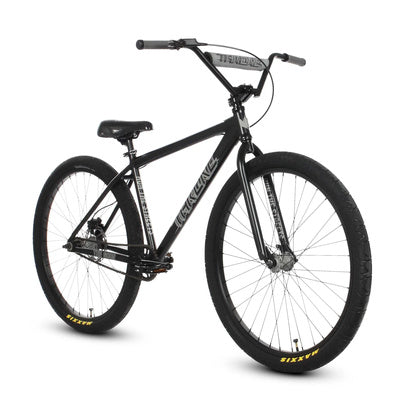
For that kind of riding, sealed bearings matter more than color. Dirt and moisture get into open bearings fast, and the grinding that follows is hard to fix once it starts. Bearing covers and cage washers add a little protection and keep the pedal tight, which makes them practical additions rather than decoration.
What to Swap First: A Quick Reference
Not every problem needs a full replacement. This table matches the symptom to the part that is probably responsible.
| Symptom | Likely Part | Fix |
|---|---|---|
| Foot slips on wet landings | Pins | Replace worn or bent pins |
| Cage edge bent or chipped | Cage | Swap in a new cage set |
| Grinding or rough spin | Center and bearings | Service or replace the center |
| Pedal wobbles on the crank | Spindle or crank thread | Inspect both and replace the damaged part |
| Bike looks mismatched | Cages, pins, covers | Change colors only |
SymptomLikely PartFixFoot slips on wet landingsPinsReplace worn or bent pinsCage edge bent or chippedCageSwap in a new cage setGrinding or rough spinCenter and bearingsService or replace the centerPedal wobbles on the crankSpindle or crank threadInspect both and replace the damaged partBike looks mismatchedCages, pins, coversChange colors only
Riders who keep a bike on a regular maintenance routine catch most of these early. The guide to maintaining BMX pedals covers the cleaning and greasing side in more detail.
Choosing the Best BMX Pedals for a Riding Style
The best BMX pedals are the ones that fit the riding being done, not the ones with the longest spec sheet.
Street and park riders usually want durable cages that handle ledge and rail contact, plus plenty of replaceable pins. Dirt jumpers often prefer a wider platform for stability in the air. Racers tend to prefer a lightweight pedal with just enough pins to hold the shoe through a start. Casual riders can start with a complete set and upgrade parts as they wear out.
Riders comparing complete options can read how the signature design stacks up against the standard line in the Gary Turner X Billet vs Billet Round comparison. For a first complete set, the Pro Series Round Pedal Set Gen 2 is a straightforward place to start.
Conclusion
The biggest shift in BMX pedals is not a new shape or a new alloy. It is the idea that a pedal can be maintained, repaired, and restyled one part at a time. A rider who understands the center, the cage, and the pins can fix most problems cheaply, tune the grip to the terrain, and keep the bike looking sharp without replacing everything. That is the thinking behind the pedal range at Billet BMX, and it is why a modular set tends to outlast a one-piece pedal. Whether the goal is lighter weight, better grip, or a color that finally matches the frame, the smartest move is to start with the part that is actually causing the problem.
Ready to Build a Custom Pedal Setup?
Shop BMX pedal centers, cages and pins at Billet BMX.
Shop BMX PedalsFAQs
Are aluminum BMX pedals better than plastic ones?
Aluminum is usually better. It cuts rotational weight, resists bending and holds its shape after hard landings, while plastic pedals tend to crack or flex sooner.
How many pins does a BMX pedal need?
Billet BMX round cage pedals use 16 pins per pair, while platform pedals use 48. Pins are sold in 18 and 50 packs, leaving a few spares.
Can BMX pedal cages be replaced without buying new pedals?
Yes. Billet BMX sells cages separately from centers, so a bent or chipped cage can be swapped without replacing the spindle, sealed bearings or the entire pedal.
Are BMX pedals 1/2 inch or 9/16 inch?
Pedal thread size follows the crank. One-piece cranks take 1/2 inch pedals, while three-piece cranks take 9/16 inch. Check the crank type first to protect the threads.
Do round or square BMX pedals grip better?
Square cages give a wider, planted platform, while round cages let the foot pivot easily. Neither grips better alone, since pin condition and height matter most.


