

Cruiser BMX bikes have carved out their own lane over the past several years, pulling in riders who want the flow of a bigger wheel without giving up the feel of a traditional BMX build. Whether the goal is a smoother ride on rougher pavement or simply more stability at speed, the right bmx cruiser parts make the difference between a bike that feels like an afterthought and one that rides like it was built with intention. Billet BMX carries components for both 24 inch bmx cruiser parts and 26-inch bmx cruiser parts, and this guide walks through what actually matters when upgrading a cruiser build.
Why Cruisers Need Their Own Parts Strategy
A cruiser isn't just a bigger version of a standard 20-inch BMX frame. The larger wheel size changes how the whole bike behaves -bottom bracket height, chainstay length, and even brake compatibility all shift once a build moves up to 24 or 26 inches. That means parts sourced for a standard BMX setup don't always translate directly, and riders who try to force a mismatched part onto a cruiser frame often end up with clearance issues or a bike that just doesn't handle right.
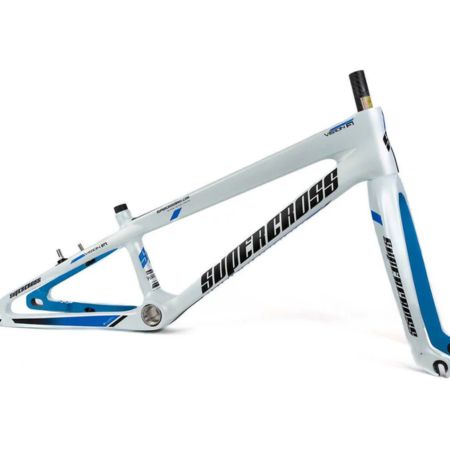
Understanding this early saves time and money. The most reliable path to a cruiser that actually performs is building around parts designed with cruiser geometry in mind from the start.
Frames: The Foundation of Any Cruiser Bmx Upgrade
The frame sets the tone for everything else on the build. Riders working on cruiser bmx upgrades should think about intended use first -a frame built for cruising bike paths and commuting rides differently than one built for dirt jumps or flatland-style riding on a bigger wheel. Wheelbase length, standover height, and tire clearance are worth checking against rider height and riding style before locking in a frame choice.
For riders stepping up from a 20-inch bike, a 24-inch frame tends to feel like a natural progression, while 26-inch builds lean closer to a mountain bike-influenced ride. Neither is objectively better; it comes down to what the rider wants the bike to do.
Wheels and Tires: Matching Size to Riding Style
Wheel size is the defining feature of any cruiser build, and it's where a lot of upgrade decisions start. 24-inch BMX cruiser parts tend to suit riders who want quicker handling while still getting the rollover benefit of a larger wheel, while 26 inch bmx cruiser parts favor stability and momentum over agility -a common choice for longer rides or rougher terrain.

Tire selection matters just as much as rim size. Wider tires add comfort and grip on mixed surfaces, while a slicker, narrower profile favors speed on smooth pavement. Matching tire choice to where the bike will actually be ridden makes a noticeable difference in how the finished build feels.
Drivetrain and Gearing Upgrades
Because cruiser wheels are larger than standard BMX wheels, gearing has an outsized effect on how the bike rides. A gear ratio that felt right on a 20-inch bike can feel sluggish or overly aggressive once transferred to a 24 or 26-inch wheel, so it's worth reconsidering sprocket and freewheel combinations rather than assuming an old setup will carry over cleanly.
Cranks, pedals, and chains built for durability are also worth prioritizing on a cruiser, since the larger wheel size often means more sustained pedaling distance compared to a typical park or street BMX session.
Cockpit and Comfort Upgrades
Bars, stems, grips, and seats all play a bigger role on a cruiser than they might on a bike built purely for tricks. Riders spending more time in the saddle benefit from a comfort-focused setup -a slightly wider bar for control, grips with more cushioning, and a seat shaped for longer stretches of riding rather than quick stunts.
These parts are also some of the easiest and most affordable places to start when upgrading an existing cruiser, since they don't require matching frame geometry the way a full frame or fork swap does.
Building a Cruiser: Where to Start
Riders building a cruiser from scratch generally get the best results starting with the frame and wheels, since those two choices dictate what will and won't fit for everything else. From there, drivetrain and cockpit parts can be layered in based on riding style and budget. For riders upgrading an existing cruiser rather than building fresh, checking fitment against the current frame before ordering new components is the single most useful step to avoid a part that doesn't seat correctly.
Billet BMX stocks components for both 24 and 26-inch cruiser builds, with fitment notes on each product page to help match parts to the right frame size the first time.
Summary
A cruiser build rewards a bit of planning. Getting the frame and wheel size right up front, then building out gearing and cockpit parts around that foundation, leads to a bike that actually rides the way it was meant to. Whether the project is a full ground-up build or a handful of targeted upgrades, choosing parts designed specifically for cruiser geometry pays off in how the finished bike handles.
Frequently Asked Questions
What's the difference between 24-inch and 26-inch cruiser parts?
24-inch parts generally favor quicker handling, while 26-inch parts lean toward stability and momentum. The right choice depends on riding style, terrain, and rider preference.
Can I use standard 20-inch BMX parts on a cruiser?
Some parts like grips or pedals may work, but frame-dependent components such as forks, wheels, and cranksets are typically not interchangeable because of differences in sizing and specifications.
Do cruiser bikes need different gearing than standard BMX bikes?
Yes. Larger wheels change how a given gear ratio feels. Reconsidering sprocket and freewheel sizing can help the cruiser perform as intended instead of feeling over-geared or under-geared.
What should I upgrade first on an existing cruiser?
Cockpit parts such as handlebars, grips, and seats are affordable and easy starting points. Frame or wheel upgrades should generally come first only when planning a more extensive cruiser rebuild.
Are 24-inch or 26-inch cruisers better for beginners?
Many new riders find 24-inch builds easier to handle because they offer quicker response. A 26-inch cruiser can be better for riders who prioritize comfort, stability, and momentum over agility.


