

The Throne Goon has earned a real reputation in the BMX community - not because it gets the most marketing, but because riders who actually run one tend to stick with it. The geometry works, the bmx frame holds up, and it responds well to targeted upgrades. For anyone putting together a custom build from the ground up - or refreshing a stock setup into something properly dialed - knowing which throne goon bike parts to prioritize, and in what order, makes the whole process faster and a lot less frustrating.

Here are the 11 parts that make up a complete, well-spec'd Throne Goon build - and what to know before buying each one.
1. Fork: The Part That Sets Steering Feel
The Goon frame is the foundation, but the fork choice affects how the bike actually handles more than most riders expect. A chromoly fork with the correct offset for the frame's geometry keeps steering predictable. A mismatched offset - even a few millimeters - changes how the front end tracks, especially at speed.
Billet Bmx carries throne bike parts including fork options compatible with the Goon's head tube spec. Always confirm the steerer tube length before ordering - cutting down is possible, but adding length isn't.
2. Headset: Small Part, Big Impact on Steering
A sealed cartridge headset is the right call for any build that will see regular riding. Press-fit headsets need a proper press tool to install cleanly - improvising with a rubber mallet almost always results in a cocked bearing race and premature wear.
Check the Goon frame's head tube diameter before ordering. A headset that's even a millimeter off won't seat properly, regardless of how much force is applied.
3. BMX Handlebars: Fit the Rider, Not Just the Frame
BMX Handlebar height and width should match rider size and riding style. The Throne Goon's geometry works well with bmx handlebars in the 8.5 -- 9.5 inch rise range for average adult riders, though taller riders often go higher and street-focused riders sometimes prefer mid rise.
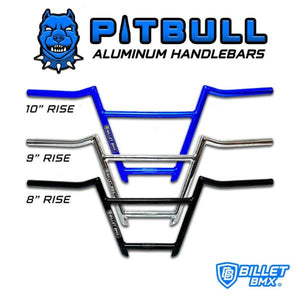
Getting this right makes an immediate difference in comfort and control - and it's one of the cheaper adjustments to make if the first choice doesn't feel right.
4. BMX Stem: Match the Clamp and Steerer Diameters
The bmx stem needs to match both the bar clamp diameter and the steerer tube diameter. Two-piece stems offer a cleaner aesthetic; four-piece stems allow more adjustability. Either works well on a Goon build - the key is torquing both to proper spec to protect the steerer tube from deformation over time.
5. BMX Grips: More Functional Than They Look
Bmx grips are a personal preference call, but a few details matter regardless of style. Grip compound affects feel in different temperatures - softer compounds feel better in cold weather but wear faster in heat. Flangeless grips save knuckle skin on grinds; flanged grips add a reference point for hand placement.
Lock-on grips have largely replaced traditional slip-ons for good reason: they don't shift under heavy use, and installation takes minutes instead of the old compressed-air-and-hairspray approach.
6. Cranks, Sprocket, and Bottom Bracket: Buy Once, Buy Right
This is the one category where going cheap almost always means buying twice. Undersized cranks flex noticeably under hard pedaling - especially for heavier riders or anyone pushing hard out of turns.
Three-piece chromoly cranks with a matching sprocket and a sealed mid bottom bracket is the proven setup. The mid BB shell on the Goon is standard spec, which means a wide selection of compatible bmx bike parts is available. Set the chainline before fully tightening anything - a misaligned chain accelerates sprocket and chain wear faster than hard riding alone ever would.
7. BMX Chain and Chain Tensioners: The Detail That Separates Tight Builds From Sloppy Ones
A quality bmx chain paired with properly adjusted chain tensioners makes a noticeable difference in how the bike feels. On a single-speed setup, chain tension is critical - too loose and the chain skips or derails; too tight and it loads the bottom bracket bearings unnecessarily.
Single-bolt tensioners work fine; dual-bolt tensioners make it easier to keep the wheel square in the dropout during adjustment. Either way, thread-locking compound on the tensioner bolts keeps them from walking loose during riding.
8. Rear Wheel, Hub, and BMX Axle Nuts: Don't Overlook the Basics
Wheel build quality affects how long everything else on the bike lasts. A wheel that goes out of true easily puts extra stress on the frame dropouts, makes brake adjustment a recurring task, and creates handling issues that are easy to misattribute to other components.
For the Throne Goon, standard 14mm bmx axle nuts fit the rear dropout spec. Torque them correctly - under-tightened and the wheel shifts under hard braking; over-tightened and the axle threads strip. A proper axle nut wrench and a known torque spec turns this into a two-minute job done right the first time.
9. Seat Post Clamp: The Slipping Problem Is Always the Same Fix
A seat post clamp that slips under load is one of the most common - and most annoying - problems on any street or park build. The fix is almost always the same: get the right diameter clamp for the Goon's seat tube and tighten it to spec. Riders who skip the diameter check and assume all BMX clamps are universal end up dealing with this problem repeatedly.
Quick-release clamps are convenient but more prone to slipping under repeated impact. Bolt-type clamps hold better for riders who don't need to adjust seat height frequently - which covers most BMX applications.
10. BMX Pedals: Wide Platform, Sealed Bearings
Bmx pedals are a contact-point component where the gap between cheap and quality is immediately felt. Thin platforms reduce ground clearance and increase shin strikes on missed tricks. Wide platforms with solid pin patterns give better foot grip and more margin on placement.
Sealed pedal bearings outlast loose-ball setups by a significant margin in real riding conditions. Billet Bmx carries pedal options with sealed bearings that don't need seasonal rebuilding just to spin smoothly.
11. BMX Brakes, Brake Lever, and Finishing Accessories
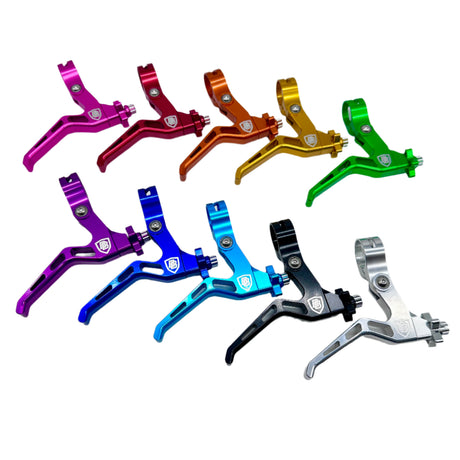
Running bmx brakes on a Throne Goon is a rider preference, but anyone doing longer street sessions tends to appreciate them. A rear U-brake or caliper paired with a quality bmx brake lever gives solid stopping power without adding noticeable weight. Fresh cables and housing on every new build - not recycled from a previous setup - make a real difference in lever feel from the first ride.
For finishing touches, pegs, spoke protectors, and bar ends round out the build. These bmx accessories don't affect core performance but do affect how the bike works day-to-day. Pegs add functionality for grinds but also add weight - riders who don't grind rails regularly are usually better off skipping them.
Billet Bmx stocks the full range of bmx bike accessories needed to finish a build properly, without sourcing from five different suppliers. Getting the complete build from one place also makes confirming compatibility across components straightforward before anything ships - a detail that saves more headaches than most riders expect.
The Right Install Order Saves a Full Teardown Later
Even with the right parts in hand, building out of sequence is the most common reason a build takes longer than it should. The correct order:
-
Press headset cups into frame and fork crown
-
Install bottom bracket into BB shell
-
Set cranks and sprocket, confirm chainline
-
Build or true wheels, install tires and tubes
-
Drop fork into frame, set headset top cap and stem
-
Install bmx handlebars, bmx grips, and bar ends
-
Set rear wheel, install bmx chain and chain tensioners
-
Mount bmx pedals (left side is reverse-threaded)
-
Route brake cable, install bmx brake lever and pads
-
Set seat post height, install seat post clamp
-
Final bolt check - torque everything to spec
Following this sequence means the drivetrain and chainline are fully set before the cockpit is locked in, which allows small adjustments at every stage before anything is permanently tightened.
Conclusion
A custom Throne Goon build rewards riders who plan the parts list before spending anything and follow the right install sequence. Whether sourcing throne goon bike parts for the first time or refreshing a setup that's been ridden hard, Billet Bmx carries components across every category in this guide - from bmx handlebars and bmx grips down to bmx axle nuts and bmx accessories - all in one place. The Throne Goon is a capable frame. Built right with quality bmx bike parts, it's a capable bike.
Frequently Asked Questions
1. What makes the Throne Goon a good frame for a custom BMX build?
The Goon offers chromoly construction at an accessible price point, with geometry that works across street and park riding. It accepts standard BMX components without modifications, making it a practical base for a first custom build.
2. Do throne goon bike parts need to be sourced from Throne directly?
No - the Goon uses standard BMX component specs across most categories. Handlebars, stems, cranks, and pedals from any reputable BMX supplier will fit, as long as measurements like clamp diameter and BB shell spec are confirmed first.
3. What bottom bracket standard does the Throne Goon use?
The Throne Goon uses a standard mid bottom bracket shell, which is the most common spec in BMX. Mid BB components are widely available, affordable, and compatible with the majority of three-piece BMX crank sets on the market.
4. Is it better to build a Throne Goon from parts or buy a complete Throne bike?
Building from parts gives more control over component quality and riding feel, but costs more upfront. Buying a complete Throne bike and upgrading parts gradually is a more budget-friendly path to a fully custom setup over time.
5. What bmx axle nut size fits the Throne Goon rear dropout?
The Throne Goon uses a standard 14mm rear axle, which takes standard 14mm BMX axle nuts. Confirming this against the frame spec sheet before ordering avoids the frustration of receiving the wrong size for the build.


