

Walk into a bike shop and ask about GT BMX and you'll probably get a shrug and a pointed finger toward whatever's on the floor. That's a problem, because GT has built several distinct BMX lines over the decades, and they are not interchangeable. The Performer, the Pro Performer, the Pro Series, and the Dyno Pro Compe all wear the GT name, but they're built for different riders, different budgets, and different goals. If you've been scrolling through listings trying to figure out why one "GT bmx bike" costs half of another, this guide is for you.
Why GT BMX Models Get Confused
GT bicycles have a long history in freestyle and race BMX, and that history means overlapping model names across different eras. A 2005 Performer isn't spec'd the same as a 2023 one. A Dyno Pro Compe carries race DNA under the Dyno sub-brand GT acquired years ago, while the Pro Series leans more toward park and street riding. When people search for gt bmx bikes, they're usually trying to solve one of two problems: they want a specific look and ride feel, or they're chasing GT parts to rebuild or upgrade a bike they already own. Either way, knowing what separates these models saves you from buying the wrong frame, fork, or crankset.
GT Performer: The Classic Freestyle Ride
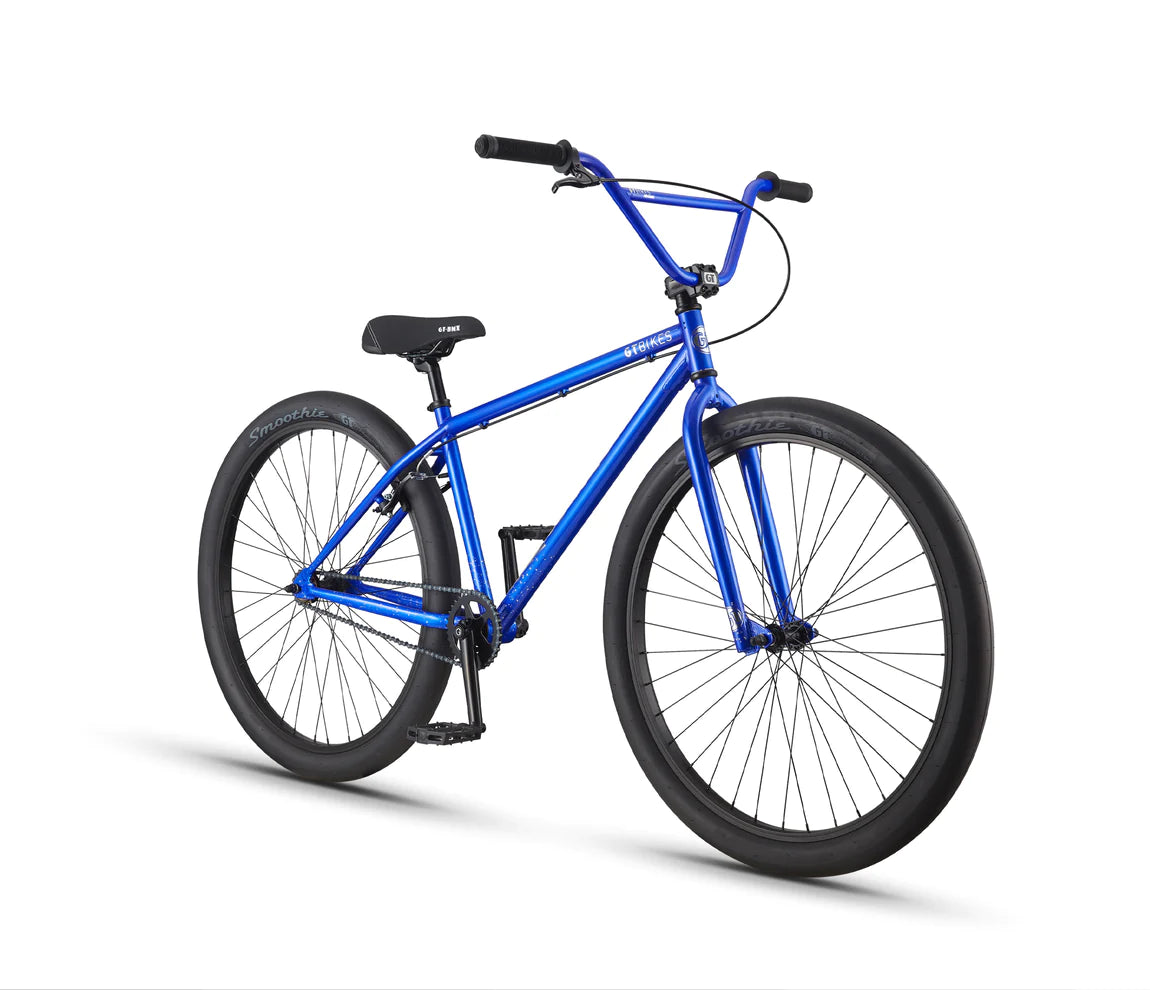
The GT Performer is the model most people picture when they hear the GT name. It's a classic freestyle-style BMX, known for a retro silhouette, a comfortable top tube length, and geometry that doesn't punish new riders the way a stripped-down race bike might. The Performer typically comes with a 4130 chromoly mainframe (with the fork and other tubes often in high-tensile steel), a single-speed drivetrain, and a coaster or freewheel setup depending on the year.
What makes the Performer worth a look is how forgiving it is. The wheelbase and standover height are built for cruising, learning tricks, and everyday riding rather than aggressive racing. Billet BMX carries the current lineup, and it's consistently one of the most requested gt bmx bike searches we see, especially from riders who grew up on the brand and want that same familiar shape as an adult.
GT Pro Performer: Same DNA, Better Parts
Here's where a lot of buyers get stuck. Is the GT Pro Performer just a Performer with a different sticker? Not quite. The Pro version typically has upgraded components and frame specs - think a fully chromoly frame instead of a mixed-material one, better sealed bearings, a stronger crank, and finishing kit that holds up to heavier use. The geometry stays close to the standard Performer, so it still rides like a GT, but the build quality is aimed at riders who are past the beginner stage and putting real miles or real air time on the bike.
If you're deciding between the two, ask yourself how hard you'll actually ride it. A rider doing casual laps around the neighborhood doesn't need the Pro-level hardware. Someone hitting curbs, ramps, or logging serious daily mileage will feel the difference in stiffness and durability within a few months. Billet BMX stocks both the 27.5 and 29-inch Pro Performer builds, which brings up the next common question.
GT Pro Series: Built for Bigger Wheels and Bigger Terrain
The Pro Series sits in a slightly different lane. Where the Performer and Pro Performer lean retro-freestyle, the Pro Series is GT's answer to modern big-wheel BMX - available in 24, 26, and 29-inch options. These bikes are aimed at riders who want the maneuverability of a BMX frame but the rollover speed of a bigger wheel, which matters a lot on dirt jumps, pump tracks, or just covering ground faster on pavement.
Component-wise, expect a stiffer frame, wider bars, and gearing suited to speed rather than tight technical tricks. This is a common upgrade path for riders who started on a Performer and outgrew the tighter, slower-feeling geometry. It's also a popular pick among taller riders who found standard 20-inch BMX frames cramped.
Dyno Pro Compe: Race Heritage in a Modern Package
The Dyno Pro Compe deserves its own mention because it isn't really a Performer variant at all - it's a revival of Dyno's race-oriented lineage, now offered in 24 and 29-inch sizes under the GT umbrella. Original Dyno Compe bikes were built for BMX racing in the 80s and 90s, and the modern versions keep that lighter, race-tuned geometry: a longer top tube relative to standover height, quicker steering response, and a frame designed to accelerate hard rather than absorb tricks.
If your search history is full of gt performer 29 and gt bmx bike results but you keep landing on race-style geometry photos, there's a good chance you've stumbled onto the Dyno Pro Compe line rather than the Performer. They're easy to confuse if you're not looking closely at the frame proportions.
Matching Wheel Size to Your Height
One of the most common questions we get at Billet BMX isn't about brand at all - it's sizing. Match wheel size (26-inch, 27.5-inch, or 29-inch) to your height using a standard BMX size chart rather than guessing based on what looks cool. Riders under about 5'4" generally do better on 26-inch wheels for control and standover clearance. Riders in the 5'5" to 5'9" range often land comfortably on 27.5-inch setups, and taller riders, or anyone prioritizing speed and rollover, tend to prefer 29-inch models like the Pro Performer 29 or Pro Series 29. Frame reach and top tube length matter just as much as wheel size, so if you're between sizes, size up rather than down - a slightly longer bike is easier to grow into than one that feels cramped from day one.
Are GT BMX Parts Good for Beginners?
Yes, and it's worth saying plainly: GT's Performer line is a common beginner-to-intermediate pick precisely because the geometry doesn't demand advanced skills to feel stable. New riders benefit from the more relaxed frame angles, while the availability of GT parts means you're not stuck if you need to replace a crank, pedal, or seat post down the line. That parts availability is a bigger deal than people realize - plenty of BMX brands look great until you need a replacement fork two years later and can't find one anywhere.
Buying Genuine GT Parts and Frames
Because GT has changed hands and production partners over the years, not every listing online is accurate about specs, year, or even authenticity. Buying through authorized retailers like Billet BMX, which stocks the full current GT lineup - Performer, Pro Performer, Pro Series, and Dyno Pro Compe - takes the guesswork out of it. You get accurate sizing info, real frame specs, and parts that are actually compatible with the model you're riding, rather than a mismatched build from a marketplace listing.
If you're still torn, start with what you'll actually do on the bike most often. Casual rides and tricks point toward the Performer line. Bigger terrain and speed point toward the Pro Series or Dyno Pro Comp. Either way, checking real GT parts and frame specs before you buy - instead of relying on the model name alone - is the difference between a bike that fits and one you're stuck replacing in a year.
FAQs
What is the GT Performer known for?
The GT Performer is a classic freestyle-style BMX known for its retro look and reliable, forgiving geometry. It's a long-running favorite for riders who want a comfortable, easy-to-control ride for tricks and casual riding alike.
Is the GT Pro Performer different from the standard Performer?
Yes. The Pro version typically has upgraded components and frame specs, including a fuller chromoly build and stronger hardware, making it better suited to riders putting in heavier daily use or more aggressive riding.
What size GT BMX should I buy?
Match wheel size - 26", 27.5", or 29" - to your height using a standard BMX size chart. Taller riders generally do better on bigger wheels, while shorter riders benefit from more standover clearance.
Are GT BMX parts good for beginners?
Yes, GT's Performer line is a common beginner-to-intermediate pick. Its relaxed geometry is forgiving for new riders, and the wide availability of GT parts makes future repairs or upgrades straightforward rather than a hunting exercise.
Where can I buy genuine GT BMX bikes?
Through authorized retailers like Billet BMX, which stocks the full current GT lineup, including the Performer, Pro Performer, Pro Series, and Dyno Pro Compe, with accurate specs and compatible parts.


