
Most riders spend hours thinking about their frame, their grips, their setup - and then grab whatever helmet is closest on the way out the door. Sound familiar? The truth is, your bmx helmet is the single most important piece of gear you own. It doesn't matter how dialed your build is if your head isn't protected.
And gloves? They're the piece of safety gear riders skip most often - until the first time they catch themselves on rough asphalt and shred their palms open. After that, they never ride without them again.

This guide covers both: what makes a good bmx helmet, what to look for in bmx gloves, and how to make sure you're actually protected every time you ride.
Why Your BMX Helmet Choice Actually Matters
Not all helmets are built the same, and the difference between styles isn't just cosmetic. A helmet that fits wrong, lacks the right certifications, or isn't designed for the way you ride can fail you exactly when you need it most.
Half Shell vs Full Face: Which One Do You Need?
This is the first real decision. Half shell helmets - also called open face or bucket style - cover the top, back, and sides of your head. They're lighter, better ventilated, and the standard choice for street and park riders. If you're doing flatland, casual riding, or skatepark sessions, a half shell is typically the right call.
Full face helmets add a chin bar that protects your jaw and face. They're heavier and warmer, but for BMX racing or aggressive dirt jumping, they're not optional - most race tracks actually require them. If you're hitting big jumps at speed or competing, a full face is the helmet you want.
How to Get the Right Fit
A bmx helmet that doesn't fit right isn't doing its job. Measure the widest part of your head - about an inch above your eyebrows - and match that measurement to the manufacturer's size chart. Every brand runs slightly different, so always check the specific chart for the helmet you're buying.
When you put it on, the helmet should sit level on your head without rocking forward or back. Give it a gentle shake - it should stay put. The strap should form a V shape around each ear and sit snug under your chin with just enough room to comfortably open your mouth. If it's wobbling or sliding, go a size down.
One more thing: replace your helmet after any significant impact, even if there's no visible damage. The foam inside compresses to absorb the hit - once it's compressed, it doesn't fully recover, and the protection is compromised.
BMX Gloves: More Useful Than Most Riders Think
Here's the thing about bmx gloves - riders who don't wear them usually haven't taken a bad fall yet. When you go down and catch yourself with your hands, rough pavement takes skin fast. Gloves are the difference between walking away and spending the next week picking gravel out of your palms.
But protection from falls is just one part of it.
What BMX Gloves Actually Do
Good bmx gloves improve your grip on the bars, reduce hand fatigue during longer sessions, and keep your hands from getting torn up on rough grips or metal components. They also help with sweat - your hands stay drier against the grip, which means more control through the session.
Most BMX gloves are made from synthetic leather or Clarino - a washable, flexible material that holds up well without being stiff. Full finger gloves offer the most protection and are the better choice for racing and street riding. Short finger or fingerless styles work for riders who prefer maximum feel on the bars, though they leave the fingers exposed in a fall.
Getting the Right Glove Fit
Glove fit matters more than most riders realize. Too big and the glove bunches up, which kills your grip and dexterity. Too small and your fingers feel restricted. Buy snug - BMX gloves stretch a little with use, so a tight fit when new usually breaks in to a perfect fit after a few sessions.
Look for reinforced palms, ventilation panels across the back of the hand, and a secure velcro or wrist closure. Silicone grip patches on the fingers or palm add extra bar contact, which is genuinely useful on sweaty rides or wet conditions.
Building Your Full Safety Gear Setup
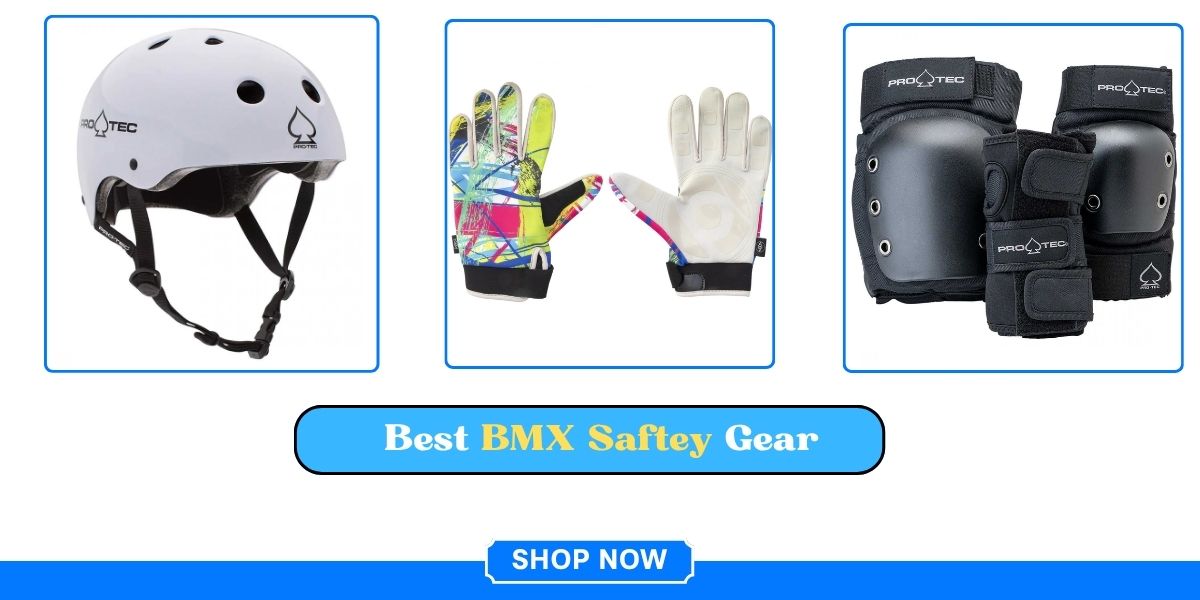
A good bmx helmet and a solid pair of bmx gloves cover the two most common impact points - your head and your hands. Add knee pads and elbow guards and you've got a complete setup that lets you ride harder with more confidence.
At Billet BMX, the safety gear collection covers helmets, gloves, pads, guards, and sleeves in one place. Whether you're a new rider building your first setup or a seasoned rider replacing worn gear, it's worth doing it right.
FAQs :-
Q: What type of bmx helmet is best for park riding?
A half shell helmet with ASTM F1492 certification is the standard choice for park riding. It balances protection, ventilation, and comfort well.
Q: How often should I replace my bmx helmet?
Replace it every three to five years, or immediately after any significant crash impact - even with no visible damage.
Q: Do bmx gloves help with grip on the handlebars?
Yes. Gloves with silicone palm or finger patches give you better bar contact, especially during sweaty sessions or in warm weather.
Q: Are full finger bmx gloves better than fingerless?
For protection in falls, yes. Full finger gloves cover more surface area. Fingerless styles offer more feel but leave fingers exposed.
Q: Can I use a skateboard helmet for BMX riding?
Many skate helmets carry ASTM F1492 certification and work fine for BMX street and park riding. Check the certification before buying.


