

Walk into any bike shop and you'll see walls covered in frames, wheels, and flashy components. But the most important connection between you and your bike? It's those two small rubber tubes covering your handlebars.
That thinking costs you control, comfort, and confidence. In 2026, grip technology has evolved far beyond basic rubber tubes. From dual-density compounds to ergonomic profiles, the right grips can genuinely transform how your bike feels.
At Billet BMX, we've spent years testing components across every riding discipline. Here's what we've learned about choosing BMX bike parts that actually improve your session.
Why BMX Bike Grips Deserve Your Attention
Think about how much contact your hands have with your bike. During a two-hour session, you're gripping those bars thousands of times through sweat, dirt, and impact vibrations. Cheap grips slip, wear quickly, and transmit harsh feedback that fatigues your hands and arms.
Modern grips use advanced rubber compounds developed specifically for BMX abuse. Some prioritize tackiness for gloveless riders. Others focus on durability for daily street sessions. The key is matching the grip to your specific needs.
Understanding Grip Materials Rubber Silicone and Other Options
Walk the aisles at any decent bike shop and you'll see three main grip materials dominating the market. Each has distinct advantages.
Rubber Grips:
Traditional rubber remains the most popular choice for good reason. Quality rubber compounds offer excellent tackiness right out of the package. They conform to your hand shape over time, creating a personalized fit. And they're affordable enough to replace regularly.
For most riders, rubber strikes the perfect balance of performance and value. Brands like ODI have perfected rubber compounds over decades, and their Longneck series remains an industry benchmark.
Silicone Grips:
Silicone grips burst onto the scene promising longer life and all-weather performance. They deliver mostly. Silicone doesn't degrade from UV exposure like rubber, maintains consistent feel across temperatures, and wipes clean easily.
Silicone makes sense for riders who hate replacing grips or ride in extreme weather conditions. For everyone else, modern rubber compounds still edge ahead in pure performance.
Hybrid and Specialty Compounds
Some manufacturers now blend materials or add Kevlar fibers for abrasion resistance. Others experiment with foam cores wrapped in rubber for vibration damping. These specialty grips cost more but solve specific problems for dedicated riders.
Choosing Between Lock On and Slip On Grips
Slip-On Grips:
Traditional slip-on grips slide over your handlebars and rely on friction (and sometimes hairspray or glue) to stay put. They're lighter, cheaper, and offer a cleaner look since there's no clamp hardware.
The problem? They slip. Maybe not immediately, but eventually heat, sweat, and torque work them loose. Nothing kills confidence like feeling your grip rotate mid-trick. Slip-ons also require cutting or destruction to remove.
Lock-On Grips:
Lock-on grips use aluminum clamps either single or double to mechanically secure the grip to your bars. Once tightened, they don't move. Period. This consistency transforms how confidently you can ride.
Installation takes seconds with an Allen key. Removal is just as easy, letting you swap grips between bikes or replace worn ones without destroying them. The small weight penalty (maybe 20 grams) is negligible compared to the performance gains.
For BMX bike parts that see heavy use, lock-ons have become the obvious choice. The technology has matured enough that even budget lock-ons outperform premium slip-ons for most riders.
Grip Patterns and Textures:
Beyond material, the surface texture of your grips dramatically affects performance. Manufacturers have developed distinct patterns for different riding styles.
Ribbed and Mushroom Patterns
The classic mushroom or ribbed design exemplified by ODI Longnecks features raised ridges running perpendicular to the bar. These ribs compress under your palm, creating cushioning and excellent traction.
Ribbed patterns excel for gloveless riders. The texture bites into bare skin without being abrasive, and the compression helps absorb impacts. They're also forgiving if you don't grip in exactly the same spot every time.
Ergonomic and Tapered Designs
Recent innovations include grips with variable thickness thicker at the palm for cushioning, thinner at the fingers for control. These ergonomic shapes reduce hand fatigue during long sessions.
Brands like Ergon have pushed this concept furthest, creating grips that actively support your hand's natural position. The trade-off is bulk and weight, but riders suffering from hand numbness or arm pump often find relief with ergonomic options.
Grip Diameter and Length: The Fit Factor
Length is simpler, most BMX grips run 140-160mm to match standard handlebar widths. Some riders cut grips shorter for a cleaner look or to accommodate bar ends. Others run extra-long grips for more hand position options.
The key is experimenting. What feels perfect to your riding buddy might feel wrong to you. Don't be afraid to try different sizes until you find your sweet spot.
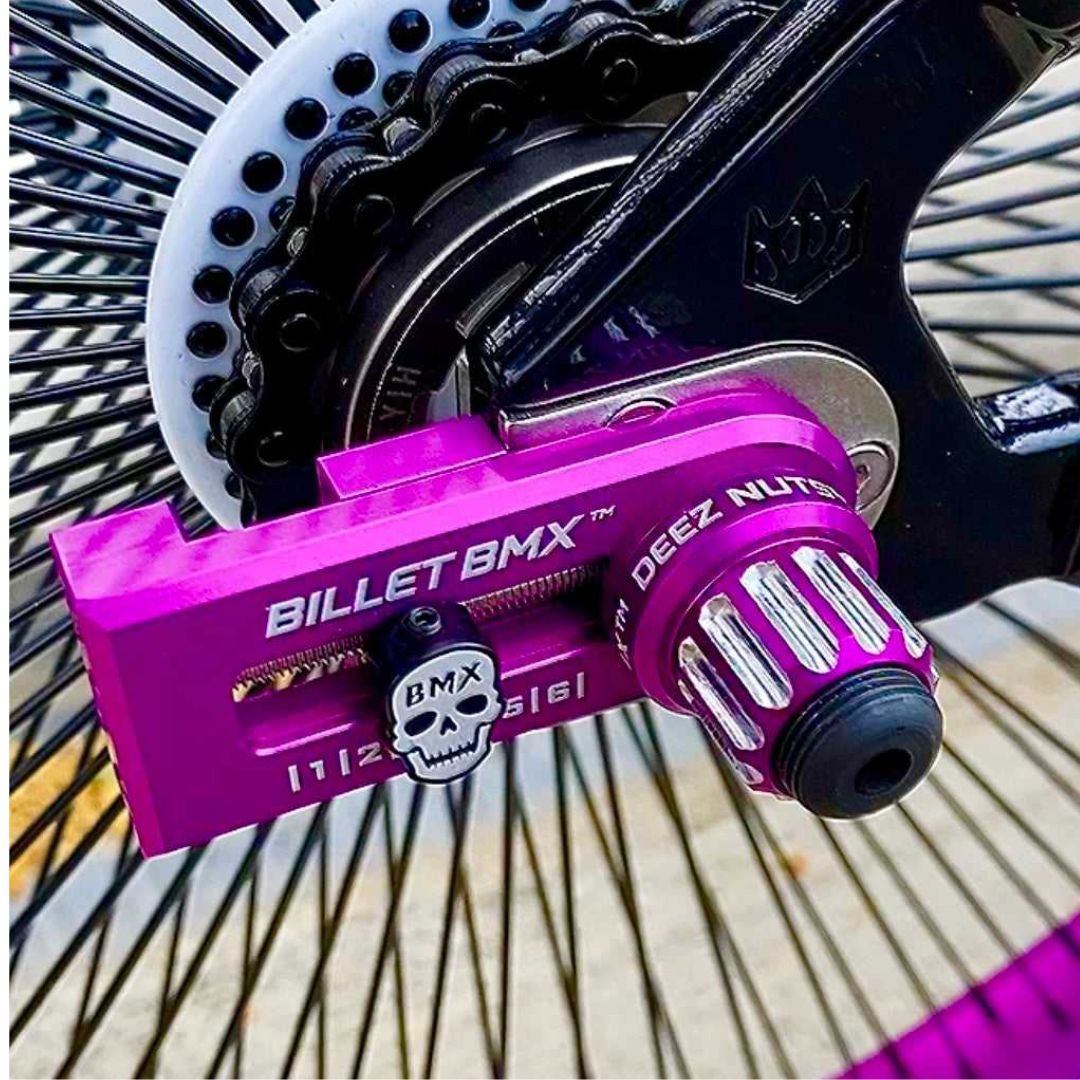
Maintaining Your BMX Bike Axle Nuts for Long Lasting Performance
BMX bike axle nuts take constant abuse from hard landings, grinds and repeated wheel removal. Proper care helps prevent loosening thread damage and wheel misalignment while keeping your setup safe and responsive throughout every session.
Keep Them Clean and Tight
Dirt and metal dust can build up around axle nuts and threads causing poor engagement. Clean the nuts and axle threads regularly with a dry cloth or soft brush. After cleaning ensure the nuts are tightened evenly to keep the wheel centered.
Check for Loosening
Axle nuts can slowly back out due to vibration and impact. Before every ride give them a quick check. A loose axle nut can cause wheel slip, uneven chain tension and reduced control especially during tricks and hard landings.
Building Your Perfect Setup
At Billet BMX, we machine precision components that complement quality grips. Our stems and bar ends are designed with modern grip diameters and lock-on clamps in mind. The result is a cockpit that feels integrated and intentional.
When upgrading grips, take the opportunity to reassess your whole setup. Sometimes a grip change reveals that your bars are too wide, or your stem too long. The best BMX bike parts work as a system, not individual pieces.
FAQs :-
Why are grips important for bike control?
Grips provide stability and traction which helps maintain control during turns, jumps and tricks.
How often should grips be replaced?
Grips should be replaced when they feel slippery, worn out or start to tear which usually happens after heavy use.
Do grips affect riding comfort?
Yes quality grips reduce vibration and hand fatigue making longer riding sessions more comfortable.
Are thicker grips better for beginners?
Thicker grips offer more cushioning and are often preferred by beginners for added comfort and confidence.
Can grips improve overall bike performance?
Proper grips improve handling safety and responsiveness by keeping hands secure during riding.


