
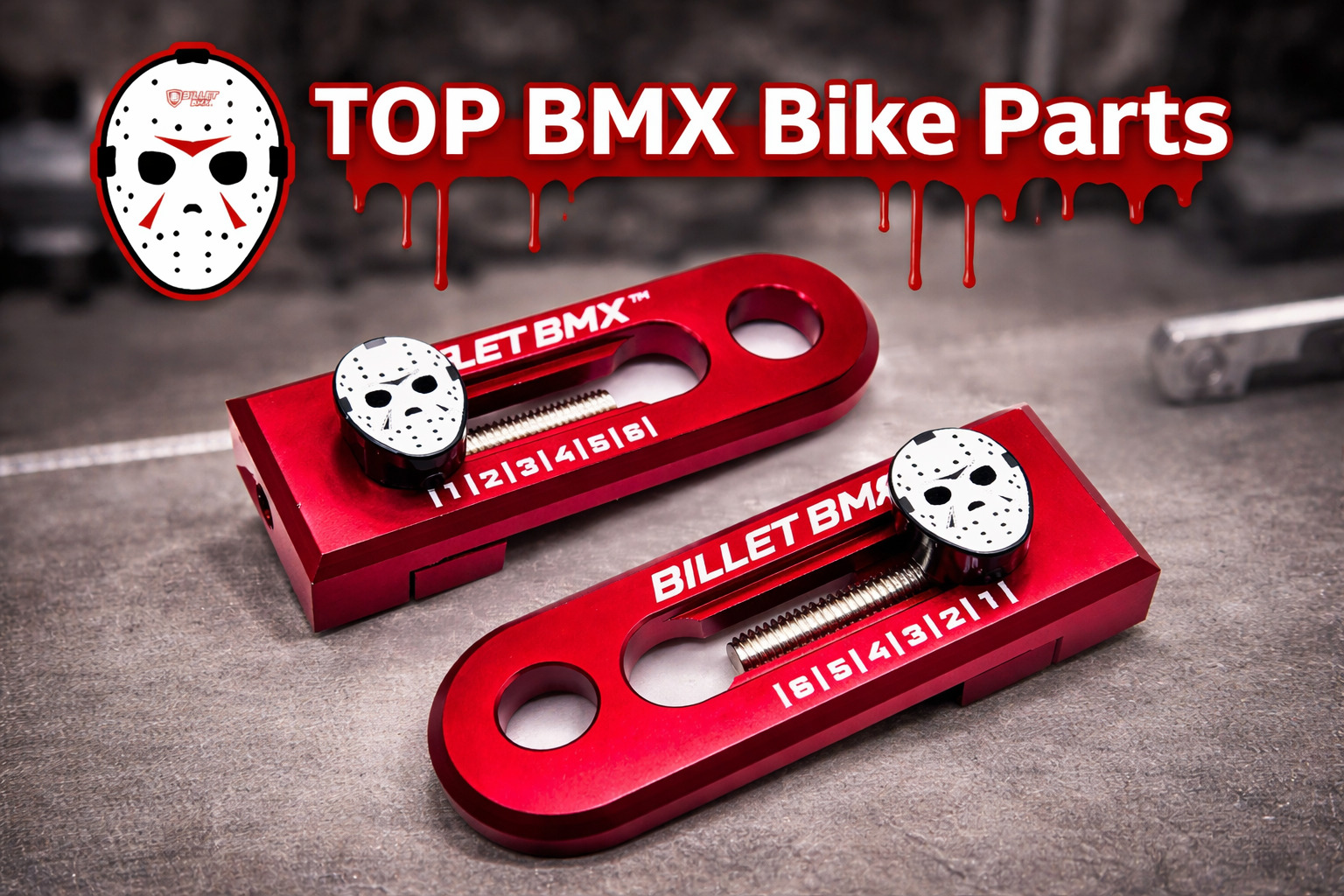
Scrolling through bmx parts online can feel like reading a different language when you are not sure what each component does or why one part costs three times more than another that looks almost identical. Every part on a BMX bike has a specific job. When one is worn out, the wrong size, or just not suited to your riding style, the whole bike feels off even if you cannot immediately figure out why.
At Billet BMX we work with riders at every level, from people building their first complete to experienced riders chasing a specific feel from their setup. This guide breaks down the main BMX bike parts in plain language so you can make smarter decisions whether you are replacing something worn or starting a build from scratch.
The Frame Sets Everything Else Up
The frame is the foundation that every other part connects to. Frame geometry decides how the bike handles, how stable it feels when you are in the air, and how responsive it is when you are sprinting or carving through a tight line. BMX frames are built with specific riding styles in mind. Race frames run longer and more stretched out for straight line speed and gate starts. Street and park frames are shorter and more compact for technical tricks, tight spaces, and the kind of riding where you need the bike to move quickly under you.

Understanding frame geometry before anything else saves you from building a setup where the individual parts are good but the overall package does not suit how you actually ride.
Headset, Stem and Steering Control
The headset is a set of bearings installed inside the head tube of the frame that allows the fork to rotate smoothly when you steer. A worn headset feels loose and clunky through turns. A headset set up with too much preload makes steering feel stiff and dead. Getting the tension right through the headset top cap is one of the most important adjustments on the whole bike because it directly affects how precise and responsive your steering feels every time you ride.
Headset spacers sit between the stem and the headset to adjust bar height. Swapping spacers is one of the easiest ways to change your riding position without buying different parts.
The stem connects the bars to the fork. A BMX top load stem sits on top of the steerer tube and is the most common style for street and park riding because it gives a clean, strong hold on the bars with no front plate to interfere with cable routing or aesthetics. Custom headset caps are a simple way to personalise the top of your steerer while still serving the functional purpose of locking your headset preload in place.
Handlebars and Grips
BMX bike handlebars are wider and taller than bars on most other bike types because riders need leverage for tricks and solid control through landings. Bar width and rise both affect the feel of the bike significantly. Wider bars give more stability and are popular for park and trail riding. Higher rise bars put you in a more upright position. Lower rise suits a more forward riding position common in racing.
Grips are your hand contact point for every ride. Worn grips get slippery fast, especially when wet, and make holding onto the bars through technical sections much harder than it should be. Handlebar end caps sit inside the end of each grip to protect your hands during falls and stop the open bar end from catching on the ground or obstacles. They are inexpensive but they serve a real safety purpose that is easy to forget until you need them.
Brakes and Brake Levers
Not every BMX rider runs brakes but many do, particularly beginners and riders who use braking for specific trick setups. BMX brakes are typically U brake or linear pull style mounted at the rear of the bike. The bmx brake lever sits on the handlebar and connects to the brake through a cable. A stretched or frayed cable makes braking feel soft and imprecise. Replacing the cable and checking that the lever pivot bolt is tight is a quick maintenance job that restores full braking performance without any complicated work.
Drivetrain: Cranks, Chain and Pedals
The drivetrain converts your pedaling effort into forward movement. BMX cranks are built heavier and stronger than road cranks because they take direct impacts from pedal strikes on obstacles and the stress of hard sprinting. The chain connects the front sprocket to the rear cog and needs to be kept clean and at the right tension to work properly. A clean, well tensioned chain extends the life of the sprocket, rear cog, and hub bearings by reducing unnecessary wear at every contact point.
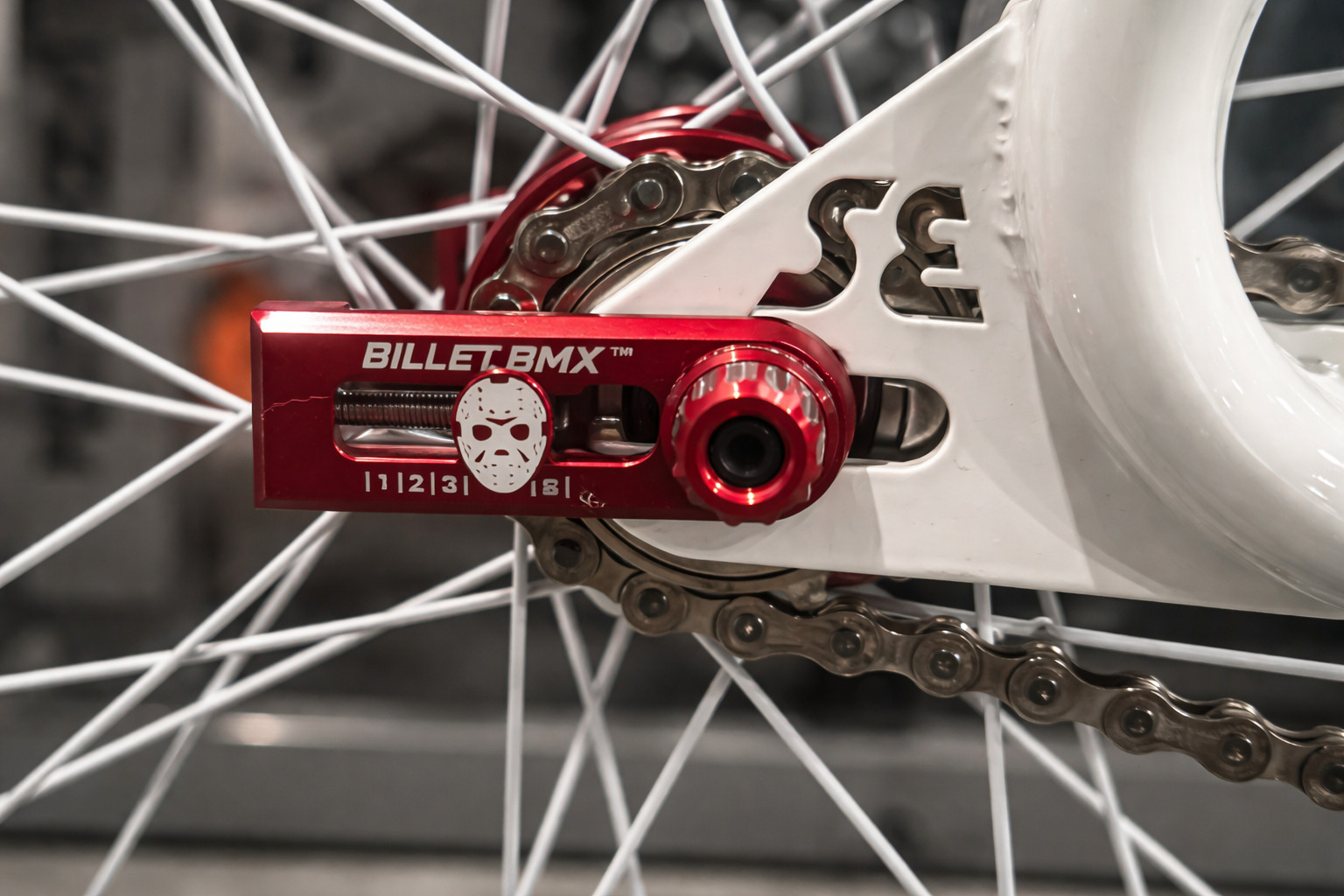
BMX bike pedals are what your feet sit on through every session, and they work in direct connection with the bike crank BMX system that drives your power forward. Metal pin platform pedals deliver the most grip for street and park riding. BMX race pedals tend to be narrower and lighter, designed for sprint efficiency over maximum grip surface. Checking your pedals and crank regularly for bearing wear and pin condition keeps them safe and functional instead of slowly becoming a liability.
Seat Post and Clamp
The seat post slides into the seat tube of the frame and sets your seat height. A bicycle seat clamp locks the post in position. Getting the right clamp size for your frame diameter matters more than most riders realize. A clamp that is slightly too loose for the seat tube will let the post slip or rotate under load, which is both annoying and potentially unsafe during riding. Replacing a worn bike seat clamp is a simple and inexpensive fix that keeps everything locked where you set it.
Tires and a Portable Pump
Tire width and tread pattern affect grip, rolling speed, and how the bike absorbs impact. Wider tires suit rough surfaces and dirt. Narrower tires roll faster and work well for smooth park surfaces and racing. Keeping tires at the right pressure is one of the highest impact maintenance habits you can build. A portable tire pump in your bag means you can top up pressure at the spot before you ride instead of sitting on underinflated tires that handle poorly and wear faster than they should.
Knowing your bmx bike parts well makes you a more capable rider and a smarter shopper. Whether you are replacing one worn component or putting together a complete new build, understanding what each part does and why it matters helps you get the most out of every session and every pound you spend on your bike.
Shop BMX parts online, BMX accessories, and complete build components at Billet BMX - your dedicated BMX shop online built for riders who take their riding seriously.
FAQs
What are the most important BMX bike parts to replace first?
Chain, grips, pedals, and tires wear fastest from regular riding. Keeping these fresh makes the whole bike feel better and more reliable throughout every session you ride.
What is a BMX top load stem?
A top load stem mounts on top of the fork steerer tube and is the most popular stem style for street and park riders because of its clean look and strong reliable bar hold.
How do I know if my BMX headset needs replacing?
Push the bike forward with the front brake on and feel for knocking or playing in the front end. Any movement or clunking through the head tube usually means the headset needs attention.
What should a beginner upgrade first on a BMX bike?
Grips, pedals, and a chain tensioner are the best starting upgrades. They directly improve control and drivetrain reliability without requiring major mechanical skills or high spending.
Where can I buy BMX parts online?
Shop at Billet BMX for genuine parts with proper sizing guidance. A dedicated bmx shop online gives you better compatibility support and product knowledge than general retail marketplaces.


