
You've spent good money on your BMX build - frame, tires, wheels, the works. But here's a part most riders pull off and toss in the grass without a second thought: the valve stem cap. Small? Yes. Unimportant? Not even close. Valve stem caps for tires are one of those things you don't think about until something goes wrong - and by then, you're already dealing with a slow leak or a corroded valve that won't hold air. This guide breaks down exactly what stem caps do, when they need replacing, and why a small upgrade here makes a real difference to your ride.

What Valve Stem Caps Actually Do
Let's clear something up right away. A lot of riders assume the cap is just a dust cover - something the manufacturer throws on to fill a gap. But there's more going on than that.
The valve stem is the small tube sticking out of your wheel that lets you inflate your tire. Inside it sits a tiny spring-loaded valve core that keeps air locked in under pressure. That whole system works great - until dirt, moisture, or debris gets inside. That's exactly where valve stem caps come in.
Protection Against Dirt and Debris
When you're riding BMX - whether that's dirt trails, skateparks, or street spots - your tires are constantly kicking up dust, grime, and small particles. Without a cap sitting on that valve, all of that stuff has a direct path into the valve core. Over time, debris buildup can block the core, cause it to stick open slightly, or damage the seal. The result? Slow, frustrating air loss that's tough to trace.
A Backup Against Air Leaks
The valve itself does most of the sealing work, but a well-fitted stem cap adds a second layer of protection. If the valve core gets slightly loose or develops a minor fault, a quality cap can reduce how much air escapes while you figure out the problem. It won't save a badly damaged valve, but it buys you time and keeps your tire pressure more stable between sessions.
Moisture and Corrosion Prevention
Riding in the rain, washing your bike, or even just leaving it outside overnight in humid conditions exposes your valve stems to moisture. Water getting into the valve core is one of the quieter causes of valve failure - especially on metal stems, where corrosion builds up gradually and weakens the seal. Quality valve stem caps create a tight barrier that keeps water out and your valve system working longer.
Types of Stem Caps - Which One Should You Use?
Not all valve stem caps are the same, and your choice matters more than most riders realize.
Plastic Caps - These are what come stock on most bikes. They do the job at a basic level, but they crack, strip, and wear out faster than other materials. Fine for a budget setup, but not something to rely on long-term.
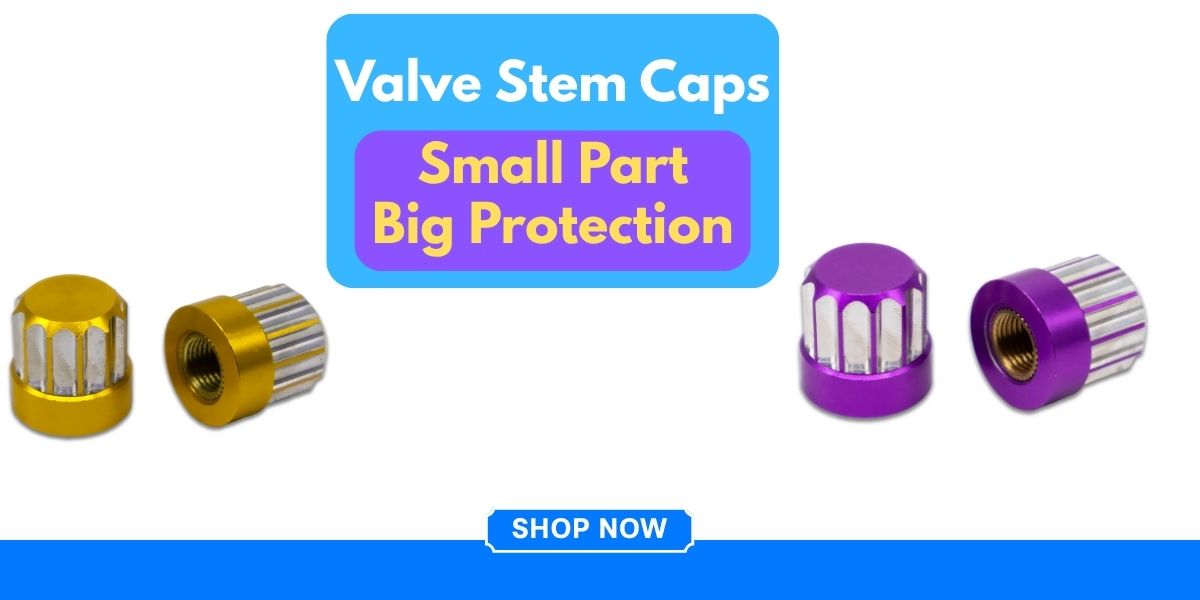
Aluminum / Metal Caps - A solid step up. Aluminum caps are more durable, resist corrosion better, and feel more secure when screwed on. They're a popular upgrade for BMX riders who ride in varied conditions - wet weather, dusty trails, or rough skatepark surfaces where the bike takes knocks. Billet BMX carries aluminum valve caps in multiple colors, so you can match your setup or add a pop of contrast.
Anodized Caps - These are aluminum caps with an anodized finish, which means extra corrosion resistance and a cleaner, longer-lasting color. Great for riders who care about both function and aesthetics.
Novelty / Custom Caps - Dice, skulls, bullet shapes, custom designs - these are popular in the BMX world because the culture values personal style. Just make sure any novelty cap you use still threads on securely and actually seals the valve. Style without function isn't worth anything mid-session.
Schrader vs Presta: Know Your Valve Type
Before you buy new stem caps, make sure you know which valve type your tires run.
Schrader valves are the wider, more common type - the same style used on car tires. Most BMX bikes run Schrader valves. They're tough, easy to inflate at any gas station, and widely compatible.
Presta valves are narrower and usually found on road and some mountain bikes. They require a specific pump head and their own cap size.
Getting the wrong cap for your valve type is a common and completely avoidable mistake. Check your current valve before ordering replacements, and you'll save yourself the hassle.
When to Think About Valve Stem Replacement
Stem caps protect your valve stems - but the stems themselves don't last forever either. Knowing when valve stem replacement is needed saves you from riding on a ticking clock.
Here's what to watch for:
Consistent air loss with no visible puncture - If your tire keeps going soft and you can't find a hole in the rubber, the valve stem itself may be the issue.
Visible cracks or brittleness in the rubber - UV exposure and ozone in the air gradually harden rubber valve stems. Once you see cracking near the base, it's time to replace.
Hissing sound when inflated - Apply soapy water to the valve area. If bubbles appear around the stem base or the cap thread area, air is escaping from the stem, not just the tire.
Corrosion on metal stems - White or powdery residue around a metal stem means corrosion has set in and the seal may be compromised.
A good habit is to inspect your valve stems every time you do a tire check - which should be before every serious session anyway. And if you're swapping out tires, it's smart to replace the valve stems at the same time. It's a low-cost step that removes a potential failure point from your setup entirely.
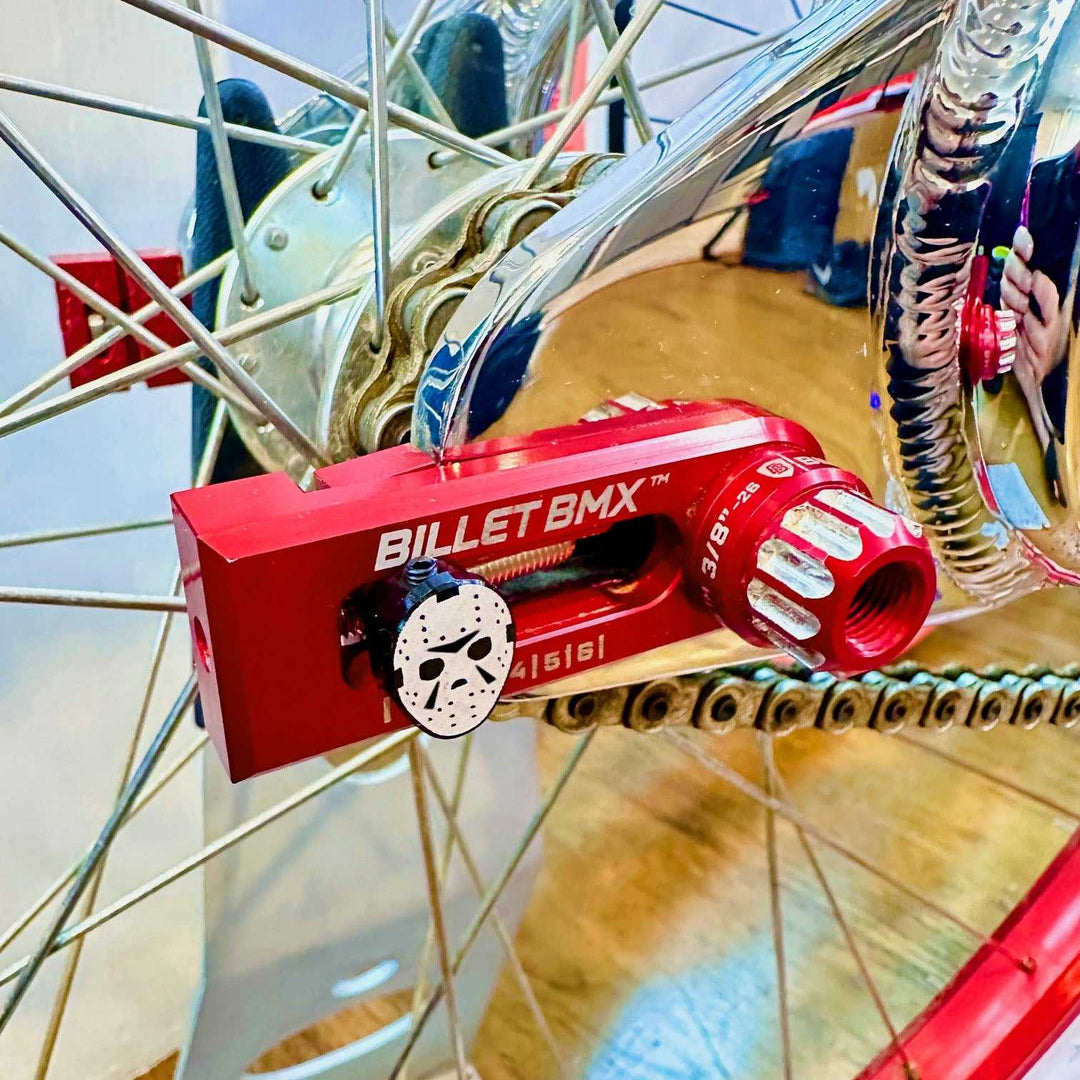
If you're already thinking about your full bike maintenance routine, it's worth reading up on other small-but-critical components - like how choosing the right chain tensioner for your single-speed bicycle affects drivetrain performance just as much as your tires affect your ride quality.
How to Install Valve Stem Caps Correctly
This sounds too basic to mention - but plenty of riders either overtighten or under-tighten their caps, and both cause problems.
Finger-tight is the goal - Screw the cap on until it stops - no tools needed and no forcing it. Overtightening a plastic cap strips the threads; overtightening a metal cap can damage the valve core if it pushes down on the pin inside.
Check the threads first - If a cap doesn't thread on smoothly, don't force it. Either the cap or the valve stem thread is damaged. Replace whichever part is the problem.
Replace caps after every pump - It sounds obvious but it's easy to forget. Leaving your valve uncapped even for a day or two on a dusty trail ride invites debris straight in.
FAQs -
Q: Do valve stem caps actually prevent air loss?
Yes, they add a secondary seal over the valve core, reducing slow leaks caused by debris or minor valve damage. They're not a fix for major issues but do maintain pressure better.
Q: How often should I replace my stem caps?
Replace plastic caps every few months. Metal or aluminum caps last much longer - replace them only if cracked, stripped, or damaged. Always inspect during routine tire checks.
Q: What's the difference between Schrader and Presta valve caps?
Schrader caps fit the wider, standard BMX valve. Presta caps fit narrower road-style valves. Using the wrong size means the cap won't seal properly, leaving the valve exposed.
Q: When is valve stem replacement actually necessary?
Replace your valve stem if you notice consistent slow leaks, visible cracking, corrosion near the base, or hissing when inflated. Best practice is replacing stems with every tire change.
Q: Are metal valve stem caps worth it over plastic ones?
For BMX riders, yes. Metal caps resist cracking, corrosion, and stripping far better than plastic. Billet BMX aluminum caps offer durability plus style - a worthwhile upgrade for any setup.
Ready to upgrade your valve caps or explore a full range of BMX bike parts? Browse the collection at Billet BMX - quality parts built for riders who take every detail seriously.


