
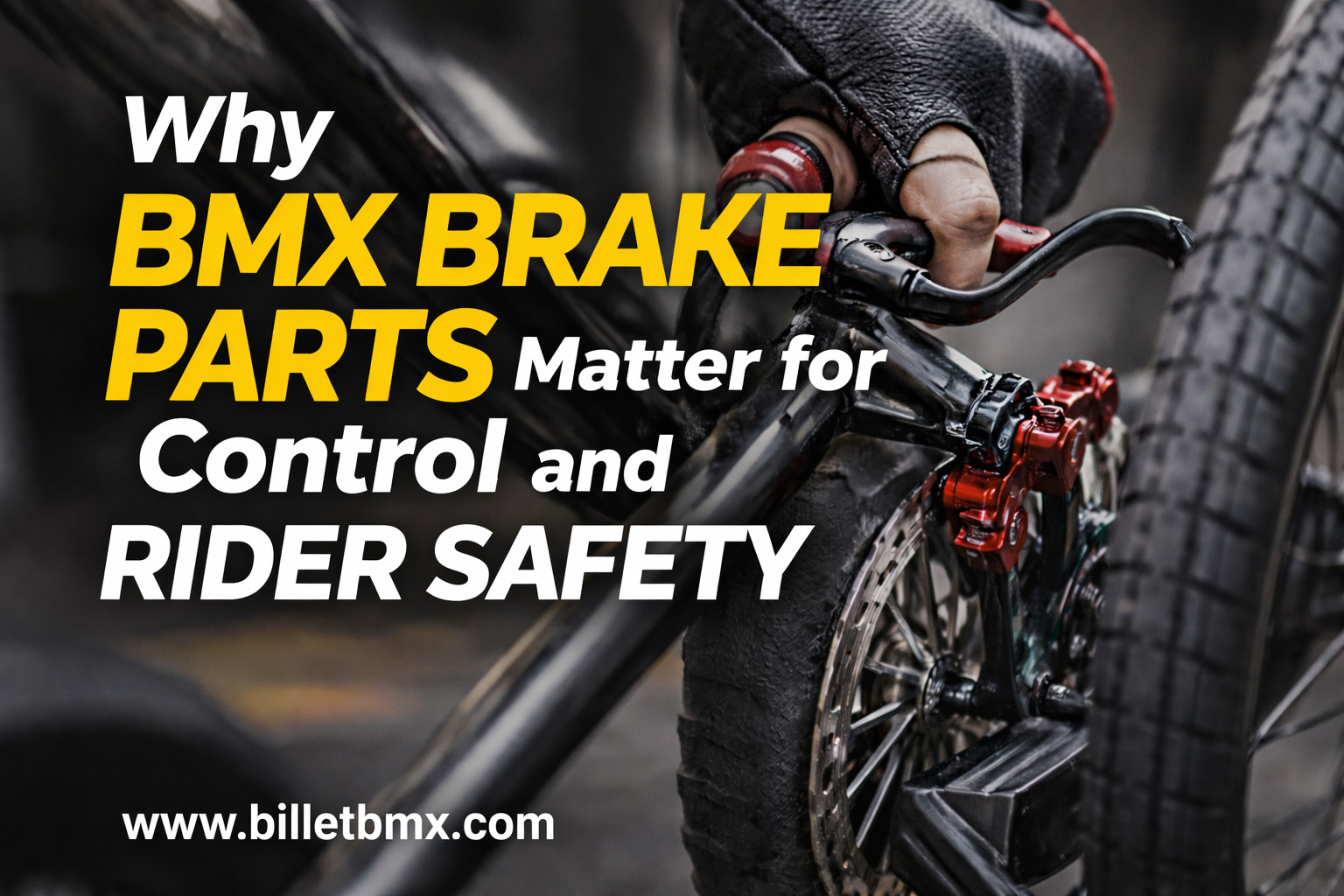
In modern BMX riding, control and safety are no longer optional features, they are essential. As riding styles evolve across street, park, and dirt disciplines, BMX brake parts have gained renewed importance among riders seeking precision stopping power and consistent performance.
Alongside braking systems, small components such as valve stem caps for tires are also receiving increased attention for their role in tire protection and air retention.

From vintage bike restorations to high-performance freestyle setups, the BMX parts market continues to expand, offering riders more choices than ever before.
The Growing Importance of BMX Brake Parts
BMX bikes are designed for aggressive riding environments where sudden stops, speed control, and balance corrections are routine. High-quality BMX brake parts such as brake levers, cables, calipers, and pads work together to deliver predictable braking force. When any one of these components underperforms, overall ride safety can be compromised.
Riders frequently ask, do BMX bikes have brakes? While many park and street riders experiment with brakeless setups, the majority of BMX bikes are manufactured with braking systems. In competitive racing and urban riding environments, brakes remain essential for safety and regulation compliance.
How Do BMX Brakes Work?
Understanding how BMX brakes work helps riders maintain and adjust their bikes effectively. BMX braking systems operate by pulling a cable through the brake lever, which activates the brake arms. These arms press brake pads against the rim, creating friction that slows the bike.
U-brakes remain the most common choice for BMX setups due to their compact size, lightweight design, and strong stopping power. Proper alignment and cable tension are critical to ensure consistent braking response.
How to Adjust BMX Brakes Correctly
Routine maintenance includes learning how to adjust BMX brakes. Brake adjustments typically involve centering the brake arms, tightening or loosening the cable, and ensuring brake pads contact the rim evenly. Riders who perform regular adjustments benefit from smoother braking and longer component lifespan.
Brake tuning is especially important for riders who frequently ride in dusty or wet environments, where brake performance can degrade more quickly.
Race Inc BMX in Vintage Bike Parts
The BMX industry continues to draw inspiration from its roots, and Race Inc BMX in vintage bike parts remains a respected name among collectors and restoration enthusiasts. Known for iconic frames and components, Race Inc’s legacy highlights how early BMX brake designs laid the foundation for modern braking systems.
Vintage BMX builds often require carefully sourced brake parts that match original specifications while maintaining ride safety.
Chains, Tension, and Braking Balance
Effective braking also depends on drivetrain condition. Riders often research how to check fixed chain tension, even though BMX bikes differ slightly from fixed-gear setups. Proper chain tension ensures efficient power transfer and prevents sudden wheel lock during braking.
Similarly, understanding how to tighten a bike chain is essential when adjusting rear wheel alignment after brake tuning. A loose chain can affect braking response, while an overly tight chain may cause drivetrain wear.
Shop Deals on BMX Bike Parts
With rising interest in bike customization, riders actively search for ways to shop deals on BMX bike parts without sacrificing quality. Reliable BMX retailers offer brake kits, replacement cables, and hardware designed for durability and everyday riding. Selecting trusted brands ensures compatibility and long-term performance.
Billet BMX aligns with this demand by focusing on strength-tested components suitable for street, park, and dirt riders.
Valve Stem Caps: Small Parts with Big Impact
Beyond braking systems, riders are paying closer attention to tire accessories. Questions such as what are the caps on tires called and what is a valve cap are increasingly common among new riders. These components are known as valve stem caps for tires, and their primary function is to protect valve cores from dirt, moisture, and air leaks.
Though small, valve stem caps contribute to consistent tire pressure, which directly affects braking efficiency and overall control.
Tire Performance and Air Management
Tire choice also plays a role in braking effectiveness. Models like the Kenda Kwick Drumlin Sport Tire are designed for durability and grip, supporting predictable braking on varied surfaces. Maintaining proper tire pressure ensures optimal contact with the riding surface, enhancing stopping power.
Riders often ask about typical portable car tire air pump inflation time from flat. On average, portable pumps take 3–5 minutes to inflate a BMX tire from flat, depending on pump capacity and tire volume.
This leads to another common question: are portable air compressors worth it? For riders who travel frequently or ride daily, portable compressors offer convenience and consistent pressure control, making them a worthwhile investment.
The Connection Between Tires, Brakes, and Control
Brakes, tires, and air pressure function as a unified system. Even the best BMX brake parts cannot perform optimally if tires are underinflated or valve stems are compromised. Routine checks of brake alignment, chain tension, tire pressure, and valve stem caps help riders maintain a balanced and responsive setup.
BMX Brake Parts Guide for Reliable Stopping Power
BMX riding is getting really popular all over the world. Because of this riders are learning more about the parts that affect how their bike performs and how safe it is. They want to know things like how BMX brakes work and why valve stem caps are important for their tires. Paying attention to things like this is what makes BMX bikes run well nowadays.
There are some brands that really care about making sure their parts are good and do not cost much. These brands are helping to make BMX parts better. They want to make sure riders can feel safe and confident when they are riding.
FAQs:-
1. Are BMX brake parts suitable for Indian riding conditions?
Yes, modern BMX brake parts are designed to handle heat, dust, and urban riding environments common in India.
2. Can BMX bikes be ridden safely without brakes in cities?
In urban areas, brakes are strongly recommended for traffic control and rider safety.
3. Where can BMX brake parts be purchased locally?
BMX brake parts are available through online BMX stores and specialized cycling retailers.
4. Do valve stem caps really matter for BMX tires?
Yes, valve stem caps protect the valve core and help maintain consistent tire pressure.
5. How often should BMX riders replace brake cables?
Brake cables should be inspected monthly and replaced every 6–12 months, depending on usage.


