

Getting into BMX riding in the United States has never been more accessible. Skate parks are popping up in cities and towns from the Pacific Northwest to the Gulf Coast, and more riders than ever are picking up their first BMX bicycle and figuring out what the sport is all about. But walking into that first purchase without any guidance is where a lot of beginners make expensive mistakes.
Billet BMX has worked with riders at every level, and the questions from beginners are always consistent - what size, what style, what budget, and where to actually buy a BMX bike online without getting burned. This guide answers all of it.
Why BMX Geometry Matters More Than Most Beginners Realize
Before jumping into price points or brand names, understanding BMX geometry is the single most useful thing a new rider can do. A bike that fits incorrectly will feel awkward, hold back skill development, and make riding less enjoyable from day one.
The two measurements that matter most for beginners are top tube length and standover height. Top tube length - measured from the head tube to the seat tube - determines how stretched out or compact a rider feels on the bike. Taller riders generally need longer top tubes. For reference, most adult riders between 5'6" and 5'10" ride bikes with a top tube between 20.5" and 21".
Rider stance is directly influenced by handlebar rise. Higher bars allow a more upright, comfortable position for beginners learning balance and control. Lower bars suit more aggressive riding styles that come with experience. Starting with a mid-rise bar gives beginners room to grow without limiting their progression early.
Billet BMX builds its beginner-friendly lineup with these proportions in mind. The geometry is dialed for new riders who want a bike that feels natural rather than something they have to fight.
Freestyle vs Racing - Picking the Right Starting Point
One of the first decisions a beginner in the US has to make is whether they are drawn to freestyle riding or gate racing. Both disciplines use a BMX bicycle, but the components, geometry, and riding environments are meaningfully different.
Freestyle covers street BMX build riding, skate park riding, flatland setup, and dirt jumping. Freestyle bikes are heavier, built for durability, and designed to take repeated impacts without structural failure. Pegs are common on street and park setups. Tire pressure BMX settings for freestyle run lower - typically between 60 and 80 PSI - for better grip and cushion on landings.
Racing is organized through USA BMX and National Bicycle League (NBL) tracks found across the country. Gate racing bikes prioritize low weight and fast acceleration. The geometry is more aggressive, with a lower front end and a forward lean that suits sprinting out of a starting gate. Racing tires run higher pressure for reduced rolling resistance on hard-packed dirt tracks.
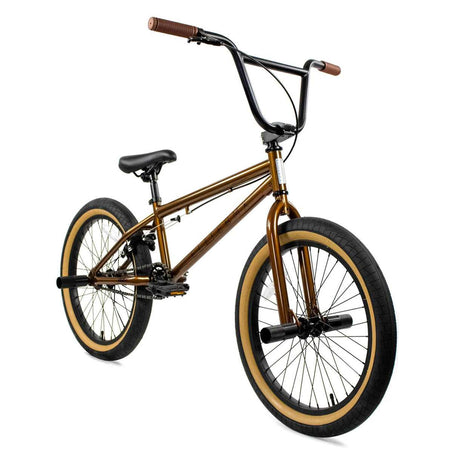
For most beginners who are just exploring the sport, a freestyle-oriented BMX bicycle is the more versatile starting point. It handles skate parks, street spots, and casual riding without requiring the rider to commit to a specific competitive format right away.
What to Look For in an Affordable BMX Bicycle
The affordable BMX bicycle market in the US is full of options, and not all of them are worth the money. Knowing what separates a quality beginner bike from a big-box store throwaway saves riders from replacing components - or the entire bike - within a few months.
Frame material is the starting point. A chromoly frame is significantly stronger and lighter than hi-tensile steel. Full chromoly frames are ideal, but even a chromoly front triangle with hi-tensile rear stays is a meaningful upgrade over full hi-tensile. Billet BMX uses quality chromoly across its lineup because frame strength determines how long the rest of the build holds up.
The bottom bracket takes more abuse than most riders expect. A loose or worn bottom bracket introduces play into the entire drivetrain, affecting how the BMX crankset spins and how power transfers through the sprocket to the rear wheel. A sealed bearing bottom bracket is the right spec for any beginner bike worth recommending.
Axle spacing and hub quality affect wheel stability and drivetrain alignment. Standard rear axle spacing for BMX is 110mm. Cassette hub setups are the most reliable for beginners - they engage quickly, require minimal maintenance, and are widely supported by bike shops across the US. Freecoaster hubs are better suited for experienced freestyle riders working on specific trick components that require backward rollout.
Rim strength is often overlooked on beginner builds. Thin, single-wall rims dent easily and are difficult to keep true. Double-wall rims hold their shape under impact and are worth prioritizing even on an entry-level budget.
Chain tension adjustment is simpler on single-speed BMX bikes than on multi-speed setups, but it still needs to be set correctly at the point of purchase. A loose chain coming off the sprocket mid-ride is a preventable problem that ruins sessions and can cause falls.
Online vs Local - How US Beginners Are Buying BMX Bikes Today
The shift toward buying BMX bikes online has accelerated considerably. Riders in smaller cities and rural areas who don't have a BMX bike shop near me option have turned to direct-to-consumer brands that offer quality components at prices that compete with what local shops stock.
Billet BMX ships across the United States and has become a go-to resource for beginners who want reliable guidance alongside their purchase. The brand's product descriptions are written for real riders, not just spec sheet readers - a detail that makes a difference when someone is buying their first BMX bicycle and doesn't know what half the terminology means.
For riders in major metros - Los Angeles, Chicago, Houston, New York, Denver - local shops still provide value through fit consultations and the ability to test ride before committing. The best approach is to research online, narrow down to two or three options, and then either visit a shop or order with a clear understanding of the return policy.
The BMX community in the US is welcoming to beginners. Local riders at skateparks are generally happy to answer questions about setups, and most cities have active BMX groups on social platforms where gear advice flows freely.
The Right Start Makes All the Difference
Getting into BMX riding in the US does not have to be overwhelming. Understanding geometry, choosing the right discipline, and investing in quality components from the start puts beginners ahead of the frustration curve that comes with underpowered or ill-fitting bikes.
Whether someone is heading to a skate park in Chicago or a BMX track outside Denver, the fundamentals remain the same - buy smart, ride often, and build from there. Billet BMX exists to make that starting point easier, more informed, and worth every dollar spent.
FAQs:
1. What size BMX bicycle should a beginner in the US buy?
Most adult beginners ride a 20" wheel BMX with a top tube between 20.5" and 21". Younger or shorter riders should size down. Billet BMX size guides match top tube length to rider height for accurate fitment every time.
2. Is a chromoly frame necessary for a beginner BMX bicycle?
Chromoly is stronger and lighter than hi-tensile steel, making it worth the modest price difference. Beginners who ride regularly will notice the durability benefit quickly. Billet BMX uses chromoly construction across its beginner and mid-level BMX bicycle range.
3. What is the difference between a cassette hub and a freecoaster hub?
A cassette hub engages immediately when pedaling, making it reliable and low-maintenance for beginners. A freecoaster allows backward rolling without pedal movement, useful for specific freestyle tricks. Most US beginners start with a cassette hub before considering a freecoaster upgrade later.
4. Can a beginner buy a quality BMX bike online without visiting a shop?
Yes, provided they know their correct top tube size and riding style preference. Billet BMX provides detailed sizing charts, compatibility notes, and responsive support for US customers buying their first BMX bicycle entirely online without prior shop experience.
5. How much should a beginner spend on their first BMX bicycle in the US?
A reliable entry-level BMX bicycle with a chromoly frame and quality components typically costs between $300 and $500 in the US market. Billet BMX offers options in this range that outperform many bikes priced significantly higher at general sporting goods retailers nationwide.


