

BMX riding has never been more popular across the United States, and with that growth comes a wave of upgraded components hitting the market. Whether someone is grinding rails at a local skate park in California or racing gates in Texas, having the right new BMX parts on the bike makes a real difference in performance, control, and confidence.
Billet BMX has been watching the scene closely, and the demand for quality components has never been higher. Riders at every level are becoming smarter about what they put on their bikes - and for good reason.
Trending BMX Parts US Riders Are Running Right Now
The BMX market moves fast. What was considered premium two years ago is now standard, and trending BMX parts reflect that upward shift in quality expectations.
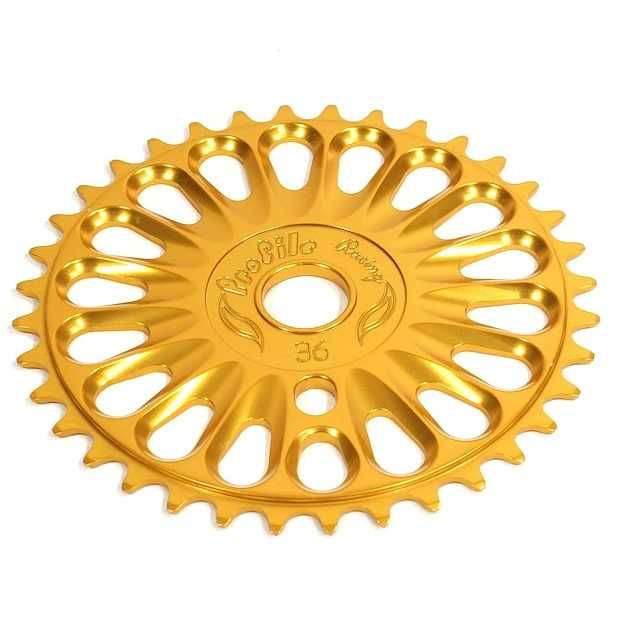
Sprockets have gotten a serious upgrade. Smaller, lighter, and machined from stronger alloys, modern sprockets are built to survive repeated grinds without warping. Billet BMX carries a range of sprocket options that balance weight and durability - a combination that street and park riders both care about deeply.
Pegs are another area where product development has accelerated. Chromoly steel pegs with replaceable sleeves are now the standard choice among street riders who want longevity without replacing the whole peg after every session. Aluminum options have also improved, offering a lighter feel for technical flatland and park setups.
Handlebars have gone wider and taller across the board. The trend toward high-rise, backsweep bars gives riders better leverage and a more upright stance - especially valuable for freestyle riders working on barspin and whip combinations. Billet BMX stocks bars designed with real rider feedback in mind, not just for aesthetics.
Cranks remain one of the most debated components in the community. Two-piece and three-piece crank sets have both loyal followings. What's changed recently is the manufacturing precision available at mid-level price points - meaning riders no longer have to spend top dollar to get a crank that spins smoothly and holds up to impact.
Maintenance Tips for BMX Parts That Actually Extend Their Life
Buying new BMX parts is one thing. Making them last is another conversation entirely.
Chain tension and lubrication are the two most neglected maintenance areas among newer riders. A chain that's too loose skips under power. A chain that's too tight wears out the sprocket and crank bearings prematurely. Finding the right tension - with a small amount of play - and applying a dry lube every few sessions keeps the drivetrain running quietly and efficiently.

Bearing checks should happen regularly. The bottom bracket, headset, and wheel hubs all use bearings that wear down with use. A simple spin test - lifting the front and rear of the bike and spinning each wheel - reveals roughness or grinding that signals it's time to replace. Billet BMX recommends checking bearings every three to four weeks for riders who session frequently.
Bolt torque is something most riders overlook until something comes loose mid-ride. Stem bolts, axle nuts, and sprocket bolts all benefit from a torque wrench check at regular intervals. Over-tightening strips threads; under-tightening creates dangerous play. A basic torque spec sheet is worth keeping in the shop bag.
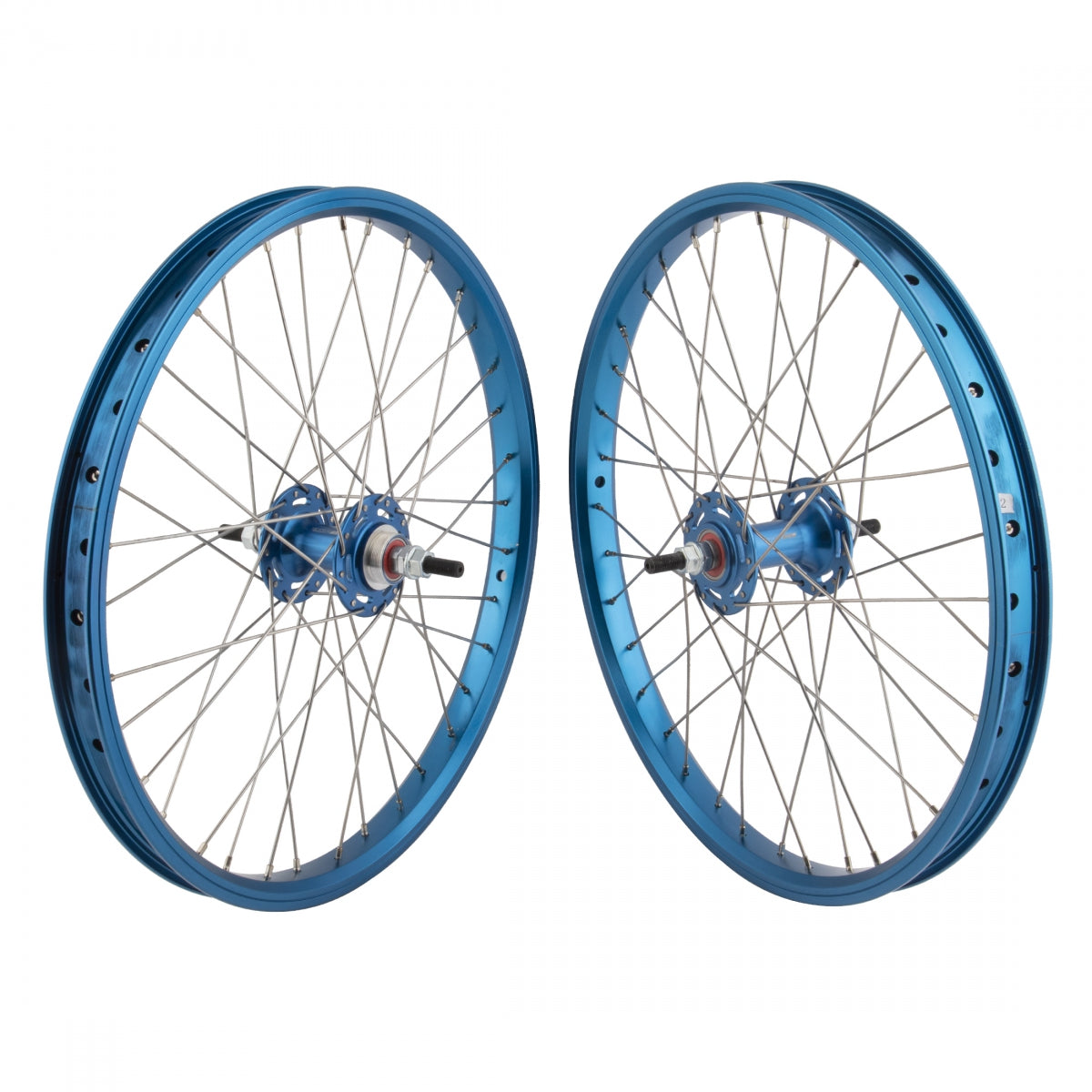
Rim inspection after every session is a habit worth developing. Small dings and cracks in the rim walls can grow quickly under load. Catching them early means replacing a rim before it fails - not after. Billet BMX parts are built to take punishment, but no component lasts forever without basic attention.
Grips and bars should be checked for slippage. Bar ends without plugs are a safety hazard in the US market, where many skate parks require them. Replacing worn grips is inexpensive and directly affects bike control.
BMX Freestyle vs Racing Parts - Understanding the Difference
The conversation about new BMX parts always runs into the freestyle versus racing divide, and the differences matter significantly when building or upgrading a bike.
Racing BMX bikes are built for one thing - speed. Riders running gates at USA BMX sanctioned events need lightweight components that accelerate quickly and handle predictably at high speeds. Racing frames are typically made from high-tensile or chromoly steel and sized precisely for the rider's height and age class. Racing wheels run narrower tires with higher pressure. Handlebars sit lower for an aggressive forward lean.
Freestyle BMX bikes prioritize durability and versatility. Street, park, flatland, vert, and dirt disciplines all have slightly different preferences, but the common thread is strength over raw speed. Freestyle frames are heavier, designed to absorb repeated impacts from drops, grinds, and hard landings. Tires are wider and run at lower pressure for grip and cushion. Pegs are standard on most setups.
Billet BMX serves both markets. The brand carries components that translate cleanly between disciplines - a useful reality for riders who compete in racing but also spend weekends at the local park.
One component that crosses both worlds cleanly is the hub. Freecoaster hubs have become popular in freestyle for their ability to roll backward without pedal engagement - critical for certain tricks. Cassette hubs remain dominant in racing for their immediate engagement and reliability under sprint loads.
Understanding which type of riding takes priority helps narrow down which trending BMX parts actually make sense for a given setup rather than chasing components that look good but serve a different discipline.
Finding New BMX Parts in the US Without Overspending
The US market for BMX components is well-stocked, but pricing varies significantly. Billet BMX has built its reputation on offering quality parts at prices that don't price out the average rider. The brand understands that most riders are buying on a budget and want components that genuinely perform - not just parts that photograph well.
Buying complete component groups - bars, stem, and grips together, for example - often saves money versus buying individual pieces separately. Billet BMX bundles several common upgrade packages that make it straightforward to refresh a bike without overspending.
The BMX community in the US is also generous with knowledge. Local shops, online forums, and Billet BMX own content resources give riders access to real-world feedback on new releases before committing to a purchase.
FAQs:-
1. What are the most important new BMX parts to upgrade first?
Start with the drivetrain - chain, sprocket, and cranks. These components affect power transfer most directly. Upgrading handlebars and stem comes next, as control directly impacts riding confidence and safety at every skill level.
2. How often should BMX parts be replaced during regular riding?
Chains and grips wear fastest and typically need replacing every few months with regular use. Bearings, rims, and cranks last longer but should be inspected monthly. Billet BMX recommends keeping a small parts stock on hand.
3. Are trending BMX parts compatible with older bike frames?
Most modern BMX components follow standard sizing, so compatibility is generally good. Bottom bracket shell size and axle spacing are the two measurements to confirm before purchasing. Billet BMX product listings include compatibility notes for common frame standards.
4. What is the main difference between freestyle and racing BMX parts?
Racing parts prioritize low weight and fast engagement for speed. Freestyle parts prioritize strength and impact resistance for tricks and grinds. Some components work across both disciplines, but frame geometry and wheel specs differ considerably between the two styles.
5. Where can US riders find reliable new BMX parts without overpaying?
Billet BMX offers a solid range of quality components at accessible price points across the United States. Checking bundle deals, following seasonal promotions, and reading community reviews before purchasing helps riders get the most value from every upgrade dollar spent.


