
Most BMX riders spend hours obsessing over their wheels, cranks, and handlebars - and then completely ignore the one small part that keeps everything from sliding out from under them mid-session. The BMX seat post clamp barely gets a second look until it fails. And when it does fail - a slipping seat in the middle of a grind, a stripped bolt five minutes into a session - suddenly it's all anyone can think about.
This guide breaks down everything a rider needs to know: the right size, the right material, bolt vs. quick release, and where to find quality BMX parts online that actually hold up. Whether someone is building a new setup or just replacing a worn-out clamp, getting this decision right saves a lot of frustration.
Why the BMX Seat Post Clamp Matters More Than Most Riders Think
Here's a scenario that'll sound familiar. A rider sets their seat height perfectly at the skatepark. Two runs in, the seat has slipped down two inches. They stop, dig out a hex key, re-tighten, and ride again. Same problem, third run. That's not bad luck - that's the wrong clamp.
The BMX bike seat clamp does one job: hold the seat post firmly inside the frame's seat tube. Under the stress of hard landings, technical street riding, and repeated impact, a poorly fitted or low-quality clamp simply won't stay put. A quality alloy seat post clamp machined to tight tolerances - the kind Billet BMX builds - locks down with consistent clamping force and stays there.
Beyond stability, the right clamp also protects the frame. Over-torquing a clamp that doesn't fit correctly can crack the seat tube over time. Getting the right size and material isn't just about convenience. It's about protecting a significant investment in a quality frame.
Getting the Size Right: The Most Common Mistake Riders Make
The single biggest error when shopping for a BMX seat post clamp is measuring the seat post itself. That's the wrong measurement. The clamp wraps around the outside of the frame's seat tube - so the number that matters is the outer diameter of the seat tube, not the post inside it.
Here's a quick size reference:
-
Modern freestyle BMX - 25.4mm post → needs a 28.6mm clamp
-
Old school / mid-school BMX - 22.2mm post → needs a 25.4mm clamp
-
Race BMX frames - 27.2mm post → needs a 30mm clamp
The standard for most modern freestyle builds is a 28.6mm clamp. That covers the vast majority of complete bikes and aftermarket frames from the last decade. If the exact measurement isn't known, use a caliper on the seat tube of the frame - not the post - and go from there.
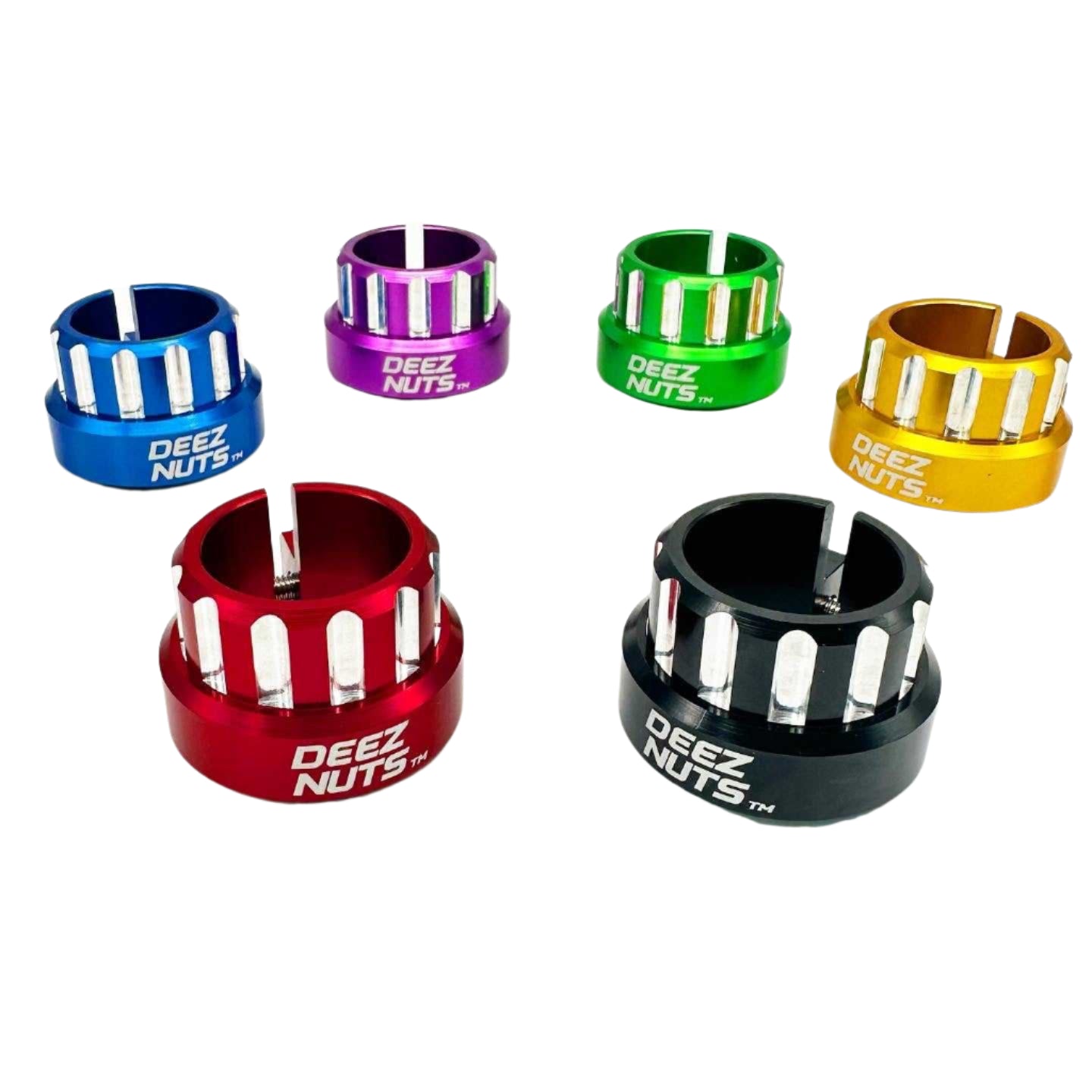
Billet BMX organizes their BMX seat post clamp collection by compatibility, so riders aren't guessing when they browse. The Deez Nuts™ Seat Post Clamp, for example, is available in 28.6mm (1-1/8") with a 25.4mm (1") inner compatibility - one of the most common setups on the market.
Lightweight BMX Seat Clamp vs. Steel: What Material Should Riders Choose?
Material choice comes down to riding style and priorities. Here's the breakdown:
Aluminum Alloy (Most Popular) A lightweight BMX seat clamp made from 6061 or 7075 aluminum alloy gives riders the best balance of strength and weight savings. Aluminum is corrosion-resistant, machines cleanly to tight tolerances, and handles the stress of freestyle and street riding without adding unnecessary grams to the build. For most riders, this is the right call.
Steel Heavier than aluminum, steel clamps offer slightly more resistance to cracking under extreme torque. They're less common on modern builds but are still a solid choice for older frames or riders who regularly overtighten hardware.
Titanium The premium option. Titanium BMX bike accessories like titanium-hardware clamps deliver elite weight savings with excellent corrosion resistance. They're a long-term investment, not an impulse buy.
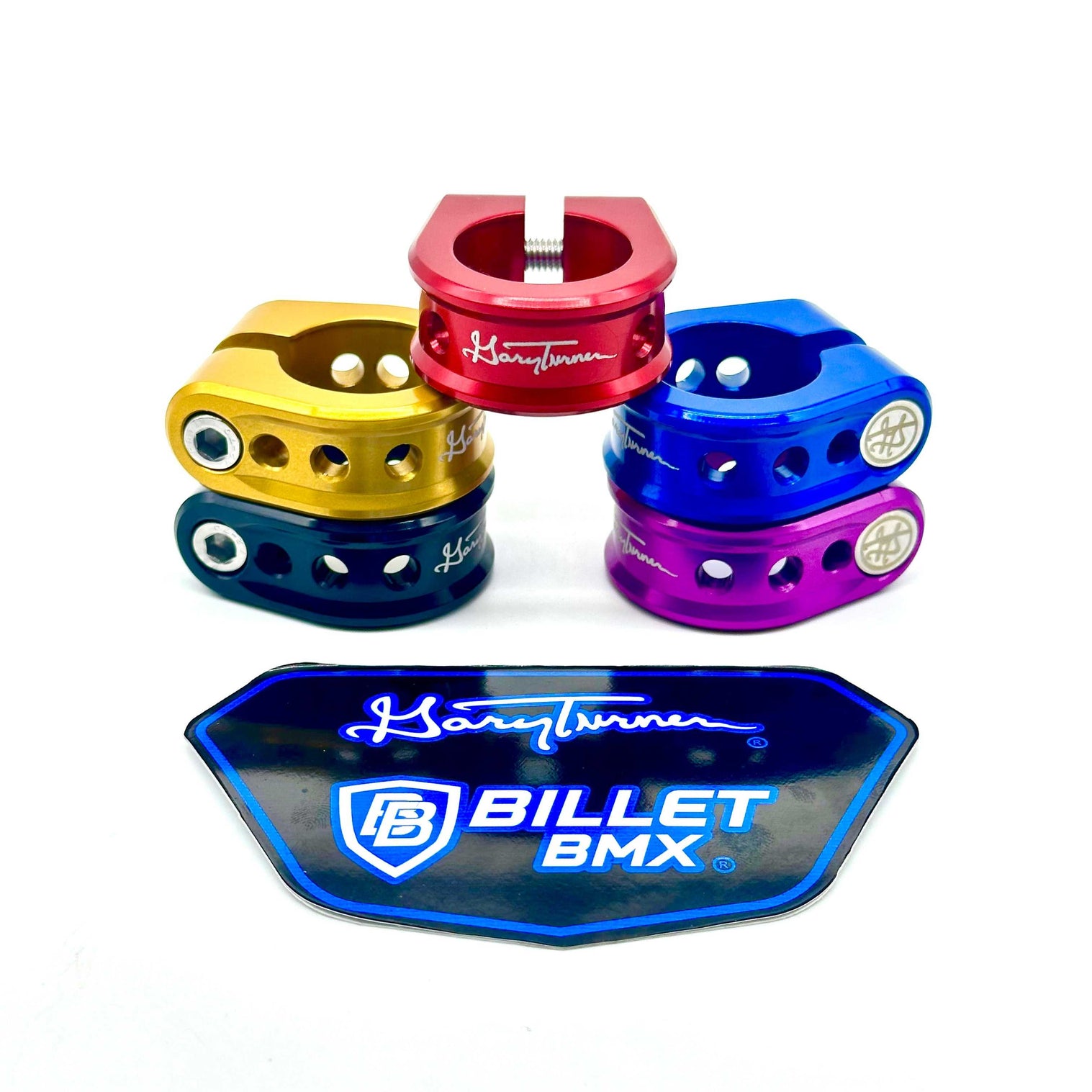
Billet BMX's range leans heavily into precision-machined aluminum - the Holey Seat Post Clamp from the Gary Turner GT X Billet BMX collab, available in 31.8mm and 30mm with shim, is a great example of how a well-machined alloy clamp can be both performance-grade and visually clean.
When shopping for BMX parts online, always check whether the clamp includes a quality BMX seat clamp bolt. Cheap bolts strip. A quality stainless steel or high-grade alloy bolt is as important as the clamp body itself - if the bolt gives out, the clamp is useless.
BMX Quick Release Seat Clamp vs. Bolt Clamp: Which One to Get?
For most freestyle riders, this isn't a hard debate. A BMX quick release seat clamp makes sense for riders who change seat height frequently between sessions - think BMX racers dialing in height for different tracks, or riders who share a bike. For the average street or park rider, the seat height gets set once and stays there.
Bolt-style clamps are more secure under the repeated stress that defines BMX riding. They're less likely to rattle loose, and they create a cleaner, lower-profile look on the bike. A BMX saddle clamp with a solid bolt closure and quality threading holds through hard landings in a way that quick-release mechanisms aren't designed for.
A Practical BMX Seat Post Clamp Buying Guide for Every Rider
Before hitting "add to cart" on any BMX parts online, run through this checklist:
-
Measure the seat tube diameter - not the post. Use a caliper.
-
Choose the right material - alloy for most riders, steel for extreme torque, titanium for weight-obsessed builds.
-
Decide on bolt vs. quick release - bolt clamps for freestyle and street, quick release for racing.
-
Check the bolt quality - stainless steel or high-grade alloy bolts only.
-
Check compatibility - does the clamp include a shim if needed for a size difference between post and tube?
-
Look at the machining quality - a precision-machined clamp from Billet BMX fits consistently and clamps evenly.
Billet BMX stocks a curated selection of seat post clamps built specifically for BMX applications - not adapted from road or mountain bike parts. Every clamp in their range is sized, machined, and tested for the demands of real BMX riding.
Top Picks from Billet BMX
Precision-machined. BMX-specific. Built to hold.
Where to Buy the Best BMX Seat Post Clamp
Finding the best BMX seat post clamp doesn't require hunting through generic cycling retailers that stock one or two options. Billet BMX carries a focused range of performance clamps with clear size specs, real product details, and the kind of machining quality that holds up session after session.
Whether a rider needs a standard 28.6mm alloy clamp for a modern freestyle setup or a 31.8mm option with shim for a race frame, Billet BMX has the right part listed clearly, sized correctly, and ready to ship. Shopping for BMX bike accessories from a specialist means getting hardware that was designed for this specific type of riding - not hardware that's been repurposed and relabeled.
A solid clamp is one of the cheapest upgrades a rider can make to a BMX build. And given how much it affects the daily riding experience - no slipping seats, no stripped bolts, no wasted session time - it's worth getting right the first time.
BMX Seat Post Clamp Comparison Guide
Frequently Asked Questions
Q1. What size BMX seat post clamp do I need for a modern freestyle BMX?
Most modern freestyle BMX frames use a 25.4mm seat post, which requires a 28.6mm seat post clamp. Always measure the outer diameter of your seat tube with a caliper to confirm the correct clamp size before ordering any replacement parts online.
Q2. What is the difference between a bolt clamp and a BMX quick release seat clamp?
A bolt clamp offers a more secure, rattle-free hold for street and park riding, while a BMX quick release seat clamp allows faster height adjustments. For freestyle riders who rarely change seat height, a bolt-style alloy seat post clamp is almost always the better and more secure choice.
Q3. Are lightweight BMX seat clamps strong enough for hard landings and tricks?
Yes. A quality lightweight BMX seat clamp machined from 6061 or 7075 aluminum alloy handles the impact of hard landings and technical tricks with ease. Brands like Billet BMX machine their clamps to tight tolerances, ensuring consistent clamping force without adding unnecessary weight to the build.
Q4. Why does my BMX seat keep slipping even after tightening the clamp?
A slipping seat is almost always caused by an incorrectly sized clamp, a worn bolt, or a clamp machined to poor tolerances. Check that the clamp matches your seat tube diameter exactly. Replacing a cheap clamp with a precision-machined BMX saddle clamp from a dedicated brand usually solves the problem.
Q5. Where can riders find quality BMX seat post clamps and other BMX bike accessories online?
Billet BMX is a dedicated source for quality BMX parts online, including seat post clamps in multiple sizes. Their range covers modern freestyle builds and race BMX frames, with clear size specs and precision-machined hardware built specifically for the demands of real BMX riding.


