

Pedals are the one part of a BMX bike that never gets a break. Every pedal stroke, bunny hop and landing sends force through a small platform and a thin steel shaft. Billet BMX builds its pedal range around that reality, and the Gen 2 Pro Series makes a useful case study because the brand has spelled out which weak points it changed and why. This guide breaks down how pedals are built, what each component does, and how riders can choose a setup that fits their bike and budget.
Why BMX Pedals Take More Punishment Than Any Other Part
Handlebars flex and tires soak up bumps, but pedals take direct hits. Shoes stomp on them, curbs scrape them, and the crank arms feed every landing straight into the spindle. A pedal that fails mid-trick can end a session faster than a flat tire ever could.
That is why shopping for BMX pedals goes beyond color and price. Three things decide how long a pedal lasts: the strength of its spindle, the number and quality of its bearings, and how the body and cages are built. Style is a bonus layered on top of those basics.
The Spindle: Where Most Pedal Failures Start
Why the Bearing Seat Takes the Load
The spindle is the steel shaft that threads into the crank arm and runs through the pedal body. The section where the bearings sit carries the highest stress, because rider weight, impact and leverage all meet in that one spot. A spindle that looks fine from the outside can crack or bend right there after repeated hard landings, especially under heavier riders.
What a Thicker Chromoly Spindle Changes
Billet BMX targeted this weak point in its Gen 2 pedals by growing the spindle at the bearing seat from 3/8 inch (9.5mm) to a 12mm shaft, which is close to 1/2 inch. The spindles are 4140 chromoly and heat treated, a familiar choice in BMX parts where strength and weight both matter. More material where the load peaks means a lower chance of fatigue over time.
The thread end stays 9/16 inch, the spec used on modern two-piece and three-piece cranks. Riders unsure about thread sizes or plastic versus metal can start with the BMX Pedals 101 guide before ordering.
Bearings: Why Four Beat Two
Bearings let the pedal body rotate around the spindle, and they are the second place where impact does quiet damage. A hard landing can dent the races inside a bearing and leave a pedal feeling rough long before anything snaps.
Gen 2 pedals moved from two bearings per pedal to four stainless steel sealed bearings. The logic is simple: spread the same load across more contact points so no single bearing absorbs the whole hit. Sealed construction also keeps grit and moisture out, which matters for anyone who rolls through dust, rain or the occasional puddle. The practical payoff is a pedal that keeps turning freely for longer, and that matters more than any number on a spec sheet.
Centers and Cages: How a Modular BMX Pedal Comes Together
The Pedal Center
The center is the CNC machined core of the pedal. On the Pro Series it is cut from 6061-T6 billet aluminum, with full holes through each leg to shed weight. Stainless steel hardware resists rust, and the logos are engraved after anodizing so the artwork stays crisp. Riders can buy the complete Pro Series Round Pedal Set Gen 2 in one go, or pick up the round pedal center set on its own when only that part needs attention.
The Cage
Cages wrap around the platform and form the outer edge of the pedal. Billet BMX cages are formed by bending flat aluminum, so small tooling marks and scuffs can show after anodizing. The brand is upfront about this: the cages are not show-polished, which keeps complete sets more affordable. Anyone building a mirror-finish show bike can have them polished before finishing, while everyone else will see scratches appear from riding anyway. A fresh round pedal cage set is also an inexpensive way to revive a tired pair.
Round or Square Outline
Gen 2 is offered in round and square outlines, and both follow the same modular approach. Riders who like a squarer footprint can look at the square pedal center set and match it with square cages.
Here is how the pieces fit together and what each one costs to start:
| Component | What It Does | Starting Price |
|---|---|---|
| Complete Gen 2 Round Set | Centers and cages in one pair | $299.99 |
| Pedal Center Set | CNC aluminum core that houses the bearings | From $240.00 |
| Pedal Cage Set | Outer edge of the platform | From $59.99 |
| Bearing Covers (2-pack) | Color accent on the pedal body ends | From $13.99 |
| Cage Washers (8-pack) | Color accent around cage hardware | From $29.99 |
| Pedal Pins M4 | Replaceable traction and color upgrade | From $1.00 |
Small Upgrades That Make a Pedal Feel Custom
Gen 2 sets come with optional upgrades that change the look without touching the core strength. The color range is wide, with more than ten center colors and a raw cage option for riders who plan to finish parts themselves.
-
Bearing covers: a two-pack of bearing covers dresses up the ends of the pedal body in a matching color.
-
Cage washers: an eight-pack of cage washers adds color and a cleaner look around the cage hardware.
-
Pedal pins: M4 pedal pins start at just $1.00, which makes them the cheapest way to change how a set looks. Basic studs come standard when no pin upgrade is chosen, with stainless and colored options available.
Custom parts only stay impressive if they are looked after. The pedal maintenance guide covers cleaning routines and wear checks that apply to any pedal, including these.
Matching Pedals to Cranks and the Bottom Bracket
A pedal never works alone. Force travels from the spindle into the crank arm and then down to the bottom bracket, so a strong pedal bolted to a damaged crank thread still creates play. Before fitting new pedals, a quick inspection helps: check that the crank threads are clean and undamaged, and make sure the bottom bracket spins smoothly without side-to-side movement.
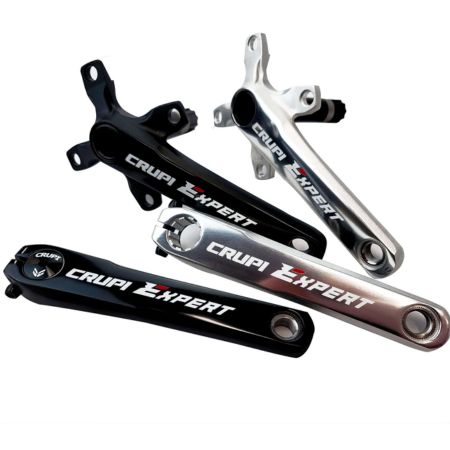
Riders planning a bigger drivetrain refresh can browse BMX cranks and BMX bottom brackets at the same time, which keeps the whole load path in good shape instead of fixing one link and ignoring the rest.
How to Choose a Pedal Setup Without Overbuying
For Street and Park Riders
Frequent grinds, stalls and landings put a premium on strength and clean edges. A complete Gen 2 set covers that, and optional extras can wait until the budget allows. Riders still weighing platform pedals against clipless can read the pro-level BMX bike pedals guide for a broader comparison.
For Show Builds and Collaborations
Color matching and finish are the main priorities here. Chrome options, raw cages for custom finishing and matching bearing covers all help a build look intentional. The GT x Billet BMX Heman pedal center set brings the Gary Turner collaboration look for riders who want something different from the standard Pro Series.
For Riders Mapping Out Upgrades
Pedals are rarely the only thing on the list. The BMX bike parts upgrade guide helps rank which parts deserve money first, so the pedal budget lands where it actually improves the ride.
Conclusion
Good pedals are not a mystery. They come down to a strong spindle, well-supported bearings and cages built to take a beating, with color and finish layered on top. The Billet BMX Gen 2 Pro Series shows how those pieces can be combined into a modular setup that riders can tailor to their bike. Whether the goal is a tougher everyday set, a show-ready build or a simple refresh with new cages and pins, the best next step is to compare the options on the BMX pedals collection and pick the pieces that match how the bike is actually ridden.
FAQs
Which part of a BMX pedal fails first?
The spindle usually fails first, specifically where the bearings sit, because that section carries the highest load. Thicker chromoly spindles reduce that risk during hard landings.
Can Gen 2 pedal centers and cages be different colors?
Yes. The Billet BMX Gen 2 set lets riders choose center color and cage color separately, so builds can mix two colors and match almost any frame.
How many bearings does each Gen 2 pedal use?
Each Gen 2 pedal uses four stainless steel sealed bearings, doubling the two bearings found in the first generation, which helps spread impact and load more evenly.
Are Billet BMX pedal cages show-polished?
No. The cages are formed from bent aluminum and anodized without show polishing, so minor tooling marks can appear. Riders building show bikes can polish them first.
What optional upgrades are available for Gen 2 pedal sets?
Riders can add bearing covers, cage washers and pedal pins in matching colors. The base set includes basic studs when no pin upgrade is chosen.
Billet BMX Parts
Build a Setup That Matches Your Bike
Browse CNC machined parts made for riders who push their gear.
Shop Billet BMX


