

Sprocket size looks like a small detail until it starts affecting how a bike actually rides. A rider running a 30T sprocket on a tight street setup will notice more pedal strikes on ledges, while a rider running a 25T on a dirt jump line might feel like they are spinning out on the straights. This bmx sprocket size comparison breaks down 25T, 28T and 30T options so riders can match the sprocket to how they actually ride, not just what came stock on the bike.
Why Sprocket Size Actually Matters
The sprocket is the front gear that the pedals turn, and its tooth count directly sets the bmx gear ratio when paired with a driver, most commonly a 9-tooth. A larger sprocket means more chain travels per pedal stroke, which increases top speed but takes more effort to get moving. A smaller sprocket makes acceleration easier and reduces the chance of a pedal strike, but caps out sooner on flat ground. Every choice on this list is a trade-off between acceleration, top speed, ground clearance and weight - there is no universally "correct" size, only the right size for a given riding style.
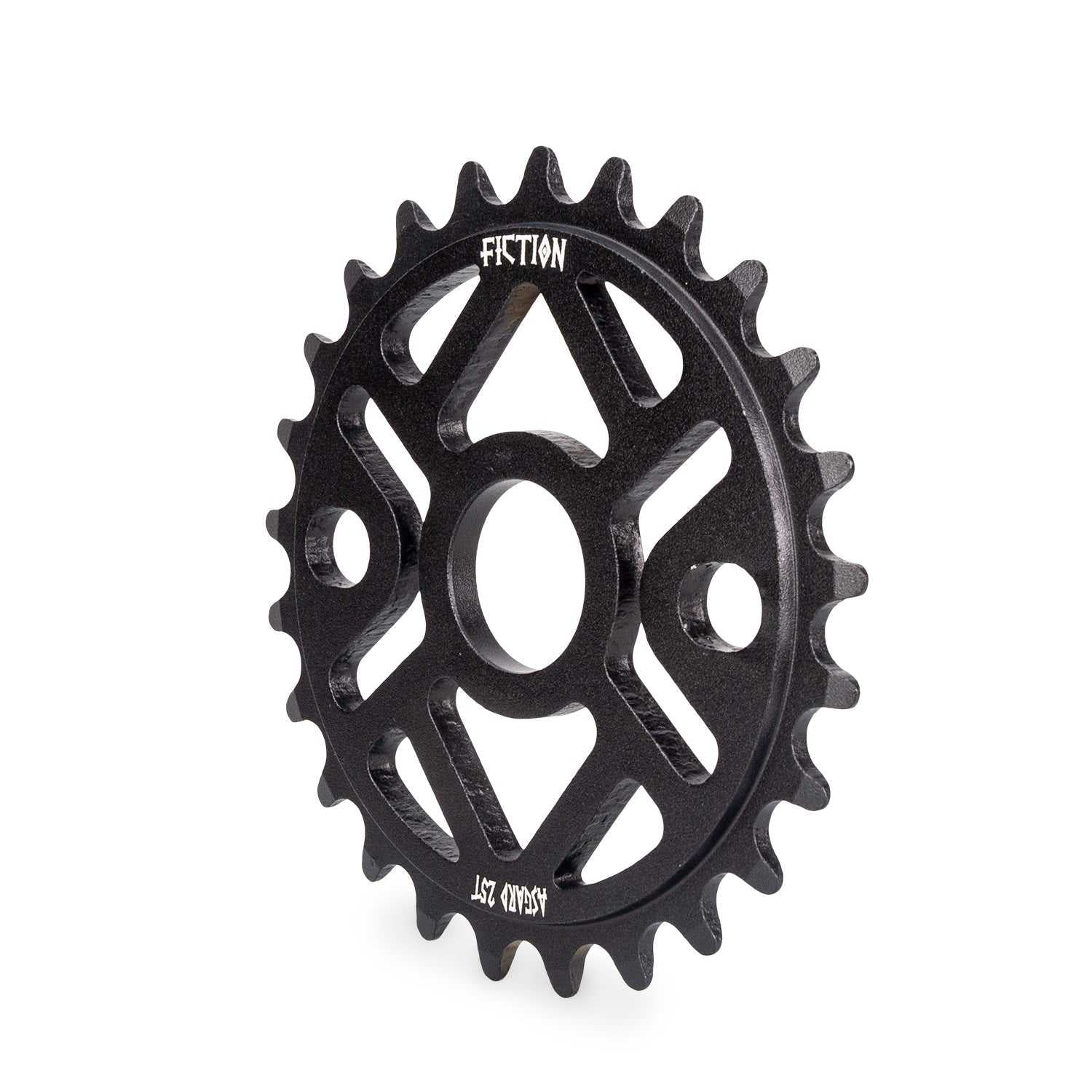
25T Sprockets Built for Street and Tight Technical Riding
A 25-tooth sprocket paired with a 9-tooth driver is one of the more common setups for street and park riders. The smaller diameter keeps the sprocket tucked closer to the frame, improving ground clearance on grinds and reducing the odds of a pedal or sprocket strike during a manual or a ledge combo. It's also the lightest option of the three, which matters when a rider is spinning the bike through flips and barspins.
The downside shows up on flatter terrain or longer pushes, where a 25T setup runs out of top speed faster than a larger sprocket. Riders who mostly session a park or a tight street spot rarely notice this trade-off, since most tricks happen at lower speeds anyway. Billet BMX's smaller sprocket options in this range are popular with riders prioritizing tight, technical setups over straight-line speed.
28T Sprockets: A Balanced Middle Ground
A 28T sprocket sits in the middle of the bmx sprocket size comparison, and it's a common factory spec because it works reasonably well across multiple riding styles. It offers more top speed than a 25T without adding significant weight or dramatically hurting ground clearance. Riders who split their time between street, park laps and casual dirt riding often land on 28T because it doesn't force a hard trade-off in either direction.
The bmx drivetrain setup on a 28T sprocket also tends to feel more "neutral" pedaling out of manuals or rolling into a line, which is part of why it remains the most common size shipped on complete bikes. Billet BMX's Asgard sprocket line offers 28T in both black and polished finishes, giving riders a straightforward upgrade path from a stock sprocket without changing anything else on the drivetrain.
30T Sprockets for Dirt and Higher-Speed Riding
Dirt jumpers and riders who spend more time pumping trails or hitting bigger lines tend to prefer a 30T sprocket. The larger tooth count increases top-end speed, which matters more when approaching a jump with real momentum compared to a slow-speed park trick. It also slightly increases the effective bmx chainline pull per pedal stroke, giving a bit more torque feel when powering out of a berm or a rhythm section.
The trade-off is reduced ground clearance and a small bump in rotating weight compared to 25T or 28T, or sprocket weight bmx riders should factor in if they're chasing every gram. For most dirt and trail riders that trade is worth it, since grinds and technical ledge combos aren't part of the riding style anyway.
BMX Chainline and Drivetrain Setup Considerations
Changing sprocket size isn't purely about tooth count - it can shift the bmx chainline slightly depending on the crank and bottom bracket setup, especially when swapping between sprocket brands or bolt patterns. Riders upgrading sprocket size should double check spider offset and confirm the new sprocket still lines up cleanly with the rear cog to avoid extra chain wear or noise. This is one area where sticking with parts designed to work together, like a full Billet BMX drivetrain setup, saves a lot of trial and error compared to mixing components from different manufacturers.
Sprocket Weight and Why It's Not Just a Spec Sheet Number
Sprocket weight bmx riders often overlook is more relevant for tricks that involve spinning the bike through the air. A lighter sprocket contributes to a lighter overall rotating mass, which can make barspins and tailwhips feel slightly snappier. For a dirt or race-oriented rider chasing straight-line speed, a few extra grams on a 30T sprocket rarely registers compared to the acceleration and clearance benefits of the smaller options. Matching sprocket weight to riding priorities, rather than chasing the lightest number on a spec sheet, tends to produce a setup that actually feels right.
Picking the Right Size for a Riding Style
Anyone running through this bmx sprocket size comparison should start with how they ride most often rather than what looks best on paper. Street and park riders learning technical should look at 25T. Riders who want one setup that handles a bit of everything usually land on 28T. Dirt riders and anyone chasing higher speed on trails or bigger lines should look toward 30T. Billet BMX carries sprockets across this full range, making it easy to test a size change without committing to an entirely new drivetrain.
Conclusion
There isn't a single correct bmx sprocket size - there's a correct size for a specific riding style, terrain and trick set. Understanding how tooth count affects gear ratio, chainline, ground clearance and sprocket weight bmx riders carry around all day makes the decision far less of a guessing game. Whether the goal is technical street lines, an all-around setup, or higher speed on dirt, Billet BMX stocks 25T, 28T and 30T sprockets built to make that swap simple.
Frequently Asked Questions
What sprocket size is best for street BMX riding?
A 25T sprocket paired with a 9-tooth driver is a popular choice for street BMX riding because it provides excellent ground clearance for grinds and ledge tricks while reducing rotating weight for smoother spins, barspins, and tailwhips.
Is 28T a good all-around BMX sprocket size?
Yes. A 28T sprocket offers a balanced mix of acceleration and top speed, making it a common factory setup for riders who enjoy street, park, and casual dirt riding without sacrificing overall versatility.
Why do dirt jumpers prefer larger sprockets like 30T?
A 30T sprocket provides more top-end speed and improved pedaling torque, helping riders carry momentum into jumps and rhythm sections. The trade-off is slightly reduced ground clearance compared to smaller sprockets.
Does changing sprocket size affect the BMX chainline?
Yes. Changing sprocket size or switching brands can slightly alter the chainline depending on the crank and bottom bracket setup. Verifying chain alignment after installation helps prevent chain rub, excess noise, and premature drivetrain wear.
Does sprocket weight actually make a difference while riding?
Yes. A lighter sprocket reduces rotating mass, making spins, flips, and technical tricks feel more responsive. For dirt jumping or higher-speed riding, the gearing ratio generally has a greater impact than weight alone.


