

Street BMX is a unique beast. You're not riding controlled dirt jumps or a well-groomed skatepark - you're out on rough pavement, cracked curbs, and unpredictable surfaces. The bike you ride matters a lot, and the wrong setup can hold you back before you ever land your first grind.
If you're trying to figure out which BMX street bike is worth your time and money, this guide breaks it all down - from how frames are built to what specs actually affect your ride. Whether you're a newer rider or someone thinking about upgrading their setup, this is worth reading before you spend a dollar.
Why Street BMX Is the Hardest Discipline on a Bike and Its Components
Street riding puts more stress on a bike than almost any other discipline. Riders are launching off ledges, grinding rails, throwing their bikes around, and absorbing landings on hard concrete - sometimes all in one session.
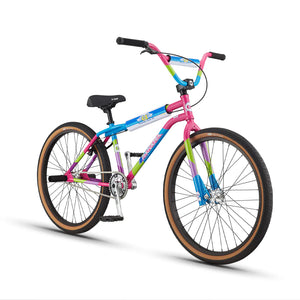
That kind of abuse demands a bike that's built tough. The frame, fork, and bars take the most punishment, which is exactly why chromoly steel has always been the standard material for serious street builds. Full chromoly frames - 4130 in particular - offer the right balance of strength and weight without snapping under heavy impact.
Bikes marketed as "hi-tensile steel" are noticeably heavier and tend to bend or fail faster under real street conditions. For anyone serious about riding, that's a shortcut worth avoiding.
BMX Street Bike Frame Geometry Explained: Top Tube Chainstay and Head Angle
Geometry shapes how a bike feels under your feet, and street riding has its own set of preferences.
Top Tube Length
The top tube is the measurement most riders talk about first, and for good reason - it affects how much room you have to move on the bike. A longer top tube (anywhere from 20.5" to 21.25") suits taller riders, but it's honestly more about feel than a strict formula. Some riders prefer a slightly longer frame than their height would suggest, because it gives them more stability on fast manuals and ledge combos.
Riders around 5'6" to 6'0" typically find 20.5" to 21" top tubes comfortable to start. That said, this is one of those specs that many riders adjust over time based on what feels right for their style.
Chainstay Length
The chainstay connects the rear wheel to the bottom bracket. Shorter chainstays - around 12.5" to 13" - make the bike more responsive and easier to pull into manuals. If tech tricks and rear-wheel balance are central to your riding, a short rear end is something to prioritize.
Head Tube Angle
A steeper head tube angle (closer to 75.5°) makes the front end of the bike feel quicker and more reactive - better for nose manuals and technical front-end tricks. A slightly slacker angle offers more stability at speed. Most modern street bikes land in the 75° to 75.5° range, which is a solid middle ground.
Street BMX Parts That Actually Matter: Hubs Tires Bars and Pegs
The frame is just the foundation. The parts that surround it make a huge difference in how a bike rides and holds up.
Hubs and Drivetrains
Sealed bearings are non-negotiable on a street bike. Unsealed bearings pick up dirt, grit, and moisture fast - especially in urban environments. Cassette hubs are the most common choice for street riding, offering solid engagement and low maintenance. Some riders prefer freecoasters, which allow the rear wheel to spin backward without engaging the pedals. This opens up certain trick combinations that are impossible with a cassette, and it gives fakies a completely different feel.
Tires
Street tires need to grip on slick surfaces while also holding up to constant abrasion. Tires in the 2.35" to 2.45" range are popular for street use - they provide good cushioning on rough ground and enough contact patch to stay planted during grinds and landings. Running them at slightly lower PSI can also reduce the harshness of concrete impacts on your joints.
Bars and Stems
Bar height matters more than most beginners realize. Higher bars (9" and above) give riders more leverage for barspins and keep the upper body in a more natural position during tricks. A top-load stem with a solid reach (around 48mm to 55mm) locks everything in tight and keeps the cockpit from feeling loose during heavy impacts.
Pegs
Not all complete bikes come with pegs, but for street riding, they're essential. Grinding ledges, rails, and curbs is core to the style, and pegs are what make that possible. Steel pegs last longer and grind slower, which is preferred on rougher concrete. Plastic or nylon pegs grind faster but wear down more quickly.
Complete Bikes vs. Custom Builds
This comes up constantly, and the honest answer is: complete bikes have gotten genuinely good. There are complete setups available today that include freecoaster hubs, full chromoly frames and forks, quality bars, and sealed bearings right out of the box - no immediate upgrades needed.
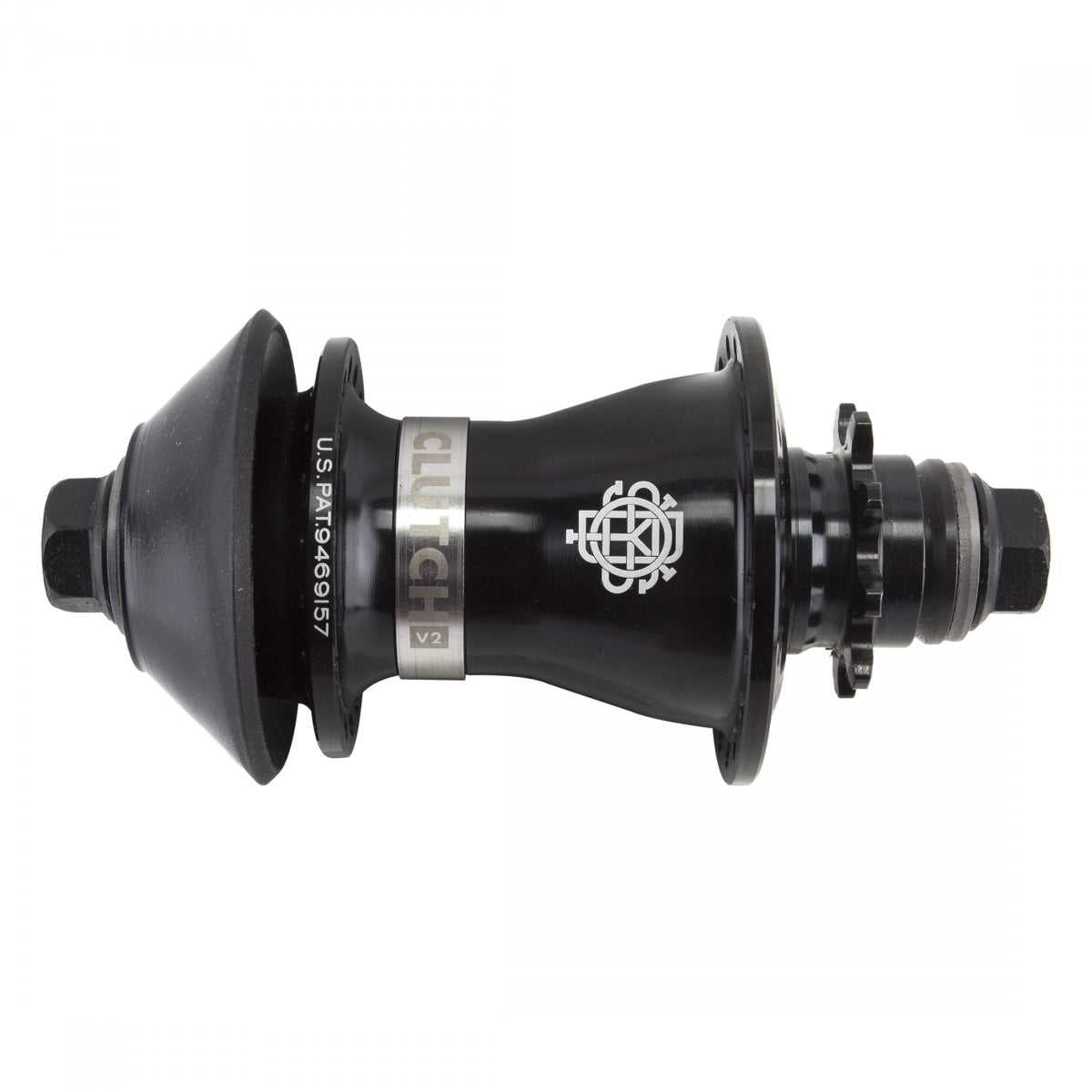
A custom build gives you control over every single part, but it also costs more and takes more time to put together. For most riders - especially those still developing their style - a quality complete bike is the smarter starting point. Ride it, figure out what you actually want to change, and upgrade from there rather than guessing up front.
Mid-range to higher-end complete bikes ($600 to $1,300+) hit the sweet spot. Budget bikes tend to use heavier steel and cheaper components that fail faster, which means you often end up spending more in the long run replacing parts.
How to Make a Street BMX Last Longer
Even the best build will wear out faster without basic upkeep. The good news is that bike maintenance doesn't require much - just consistency.
Keep it clean. After sessions on dirty or wet surfaces, wipe the frame down and clean the chain. Salt and grit work into bearings and threads over time.
Check your bolts. Loose stem bolts, axle nuts, and crank bolts are dangerous and cause damage. A quick check before every session takes about two minutes.
Watch the chain tension. A chain that's too loose can skip or derail. Too tight and it puts stress on the drivetrain. Adjust it so there's a small amount of play - about half an inch of movement is the general rule.
Inspect the frame regularly. Look at weld points after heavy sessions. Cracks are rare on quality frames but they can develop at high-stress areas over time. Catching them early prevents a much bigger problem.
Replace worn consumables. Grips, tires, pedals, and chains are considered wear parts. Riding worn tires on slick concrete is a safety issue, not just a performance one.
Storing the bike indoors or at least out of extended sun and rain exposure keeps the finish and components in better shape over the long term.
In Summary
Choosing a BMX street bike is about knowing what kind of riding you want to do and matching the geometry and build quality to that vision. Frame material, top tube length, hub type, and parts quality all play real roles in how a bike feels and how long it holds up under serious riding.
Billet BMX is built around the idea that riders deserve accurate information before they invest in a setup. Whether you're sorting through complete bikes or piecing together a custom build, understanding these fundamentals gives you a real edge - and keeps you riding longer without frustrating breakdowns or early replacements.
The streets are unforgiving. The right bike makes every session better.
Frequently Asked Questions
Q1: What is the best top tube size for a BMX street bike?
Most street riders between 5'6" and 6'0" ride comfortably on a top tube between 20.5" and 21". Taller riders often prefer 21" or longer, but personal preference plays a major role in the final decision.
Q2: Is a freecoaster hub better than a cassette hub for street riding?
Freecoasters allow the rear wheel to coast backward without pedaling, which benefits riders who do switch tricks and fakes. Cassette hubs are lower maintenance and preferred by riders focused on forward-riding street combos and power tricks.
Q3: How much should a good BMX street bike cost?
A reliable street-ready complete bike typically costs between $600 and $1,300. Cheaper options often use heavier materials and weaker parts that require earlier replacement, making mid-range bikes a smarter long-term investment for regular riders.
Q4: What frame material should a BMX street bike have?
Full 4130 chromoly steel is the standard for serious street riding. It provides the best strength-to-weight ratio for handling drops, grinds, and hard landings. Hi-tensile steel is heavier and less durable under repeated impact from street use.
Q5: Do all complete BMX street bikes come with pegs?
Not all complete bikes include pegs - many higher-end completes leave them out so riders can choose their own. Pegs are essential for grinding, so if the bike doesn't include them, plan to purchase a set separately before your first street session.


