

Every BMX bike is a collection of decisions. Frame material, drivetrain setup, wheel build, cockpit geometry - each component either works with the rest of the build or quietly fights against it. Most riders learn this the hard way, swapping out parts that didn't need replacing while ignoring the ones that did.
Understanding what each BMX bike part actually does - and what separates quality components from cheap substitutes - changes how a rider shops, builds, and maintains their setup. The difference shows up fast once real riding begins. A sealed bearing hub outlasts a loose bearing alternative by months. A chromoly fork handles street landings in ways that hi-tensile steel simply cannot match.
Whether someone is putting together their first complete build, hunting for replacement bike parts, or upgrading an existing setup one component at a time, knowing what to look for is always the first step. Billet BMX carries the full range.
The Frame: Where Every Build Starts
The BMX frame is the foundation that everything else bolts onto. It determines the geometry of the ride - how long, how tall, how responsive, how stable. Getting the frame right means every other component has a chance to perform at its best. Getting it wrong means no amount of aftermarket upgrades will fix the underlying feel.

Frame material is the first decision. Full 4130 chromoly steel remains the gold standard for street, park, and freestyle builds in 2026. It offers the best strength-to-weight ratio of any affordable BMX frame material, absorbs impact without permanent deformation, and holds up to the kind of repeated stress that riding puts on a frame over months and years. Hi-tensile steel is heavier and less durable - fine for casual recreational riding but not the right call for anyone who wants to progress in the sport.
Top tube length is the geometry spec that affects day-to-day riding feel the most. Adult riders typically fit best between 20.5 and 21.25 inches depending on height and riding style. Street riders often prefer a slightly longer top tube for stability on manuals and approach runs. Park riders lean toward shorter frames for quicker rotation and more responsive transitions.
Fork: The Most Underrated Structural Component
The fork connects the front wheel to the frame and handles an enormous amount of stress on every landing. It's one of those bicycle parts that rarely gets talked about until it fails - which, on a cheap fork, can happen fast and dangerously.
Chromoly forks are the right choice for any serious BMX build. A quality chromoly fork flexes slightly under load and springs back - a behavior that protects both the fork and the rider's wrists and arms from jarring impacts. Offset matters too. Most BMX forks run 28mm to 33mm of offset, which affects how the front end tracks and responds. More offset generally means a more forgiving, stable feel. Less offset gives a quicker, more direct response.

For riders running pegs on the front axle, a fork with sturdy dropouts and sufficient axle slot depth is essential. Pegs put lateral stress on the fork dropout that a lightweight race-style fork isn't designed to handle.
Drivetrain: Cranks Bottom Bracket Chain and Sprocket
The drivetrain converts pedaling force into forward motion. On a BMX bike, that system is intentionally simple - single speed, no derailleur, no cable-actuated gear changes. But simple doesn't mean all drivetrains are equal.
Three-piece chromoly cranks are the standard for any build that takes riding seriously. The arms are stronger and more replaceable than one-piece cranks, and the spindle engagement is more precise. Crank arm length on BMX bikes typically runs 165mm to 175mm - shorter arms suit smaller frames and quicker cadence; longer arms provide more leverage for riders who prioritize power.
The bottom bracket sits inside the frame's bottom bracket shell and holds the crank spindle in place. Mid bottom brackets, which use 19mm spindles and press-fit sealed bearings, are the most common format on modern BMX bikes. Sealed bearings are non-negotiable - an unsealed bottom bracket picks up grit and moisture fast and wears out in a fraction of the time.
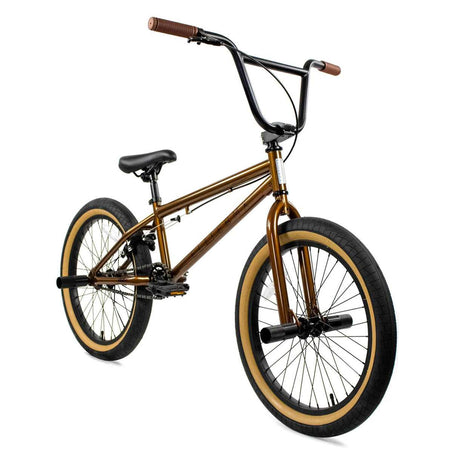
Sprocket size affects gear ratio and ground clearance. Smaller sprockets - 25 to 28 teeth paired with an appropriate rear cog - keep the sprocket away from obstacles during grinds while maintaining a manageable gear. Chains should be checked for stretch regularly and replaced before they damage the sprocket teeth - a worn chain costs a few dollars; a worn sprocket costs significantly more.
Wheels Tires and Hubs: Where the Bike Meets the Ground
Wheel quality is felt on every single pedal stroke, landing, and surface transition. A well-built wheel with quality sealed bearing hubs, double-wall rims, and properly tensioned spokes rolls true, stays true longer, and handles impact without folding.
Double-wall rims are the standard for any BMX build involving street riding or park use. They're heavier than single-wall rims but dramatically more resistant to denting on hard landings. Most quality complete BMX bikes ship with double-wall rims as standard. Riders building from scratch should treat single-wall rims as a non-starter for any serious setup.

Hub selection matters too. Cassette hubs are the most reliable and lowest-maintenance option for most riders. Freecoaster hubs, which allow the rear wheel to roll backward without engaging the cranks, are popular among street riders who do switch tricks and fakies - but they require more maintenance than a cassette and take some adjustment time.
Tire width on street and park setups typically runs between 2.1 and 2.4 inches. Wider tires absorb more impact and provide more grip on rough pavement. Narrower tires roll faster and feel lighter on smooth park surfaces. The right width depends on where the majority of riding happens.
Cockpit: Bars Stem Grips and Headset
The cockpit is everything the rider touches - handlebars, stem, and grips - plus the headset that lets the front end steer smoothly. These components have a direct impact on comfort, control, and trick execution.
Bar height is a personal preference that develops with riding experience. Most street and park riders in 2026 run bars between 8.5 and 10 inches tall. Higher bars suit taller riders and those who prefer more leverage for barspins and whips. Lower bars give a more compact feel that some riders prefer for technical flatland-adjacent tricks.
Stems are either top-load or front-load. Top-load stems raise the bar height slightly and are the most common choice. Front-load stems sit lower and are preferred by riders who want a more slammed cockpit feel. Reach - the horizontal measurement of the stem - affects how stretched out the rider feels over the front wheel. Most BMX stems run 48 to 55mm of reach.
Grips wear out faster than any other component and are the cheapest, most impactful upgrade a rider can make. Worn, hard, or slippery grips affect control in ways that are easy to underestimate. Replacing grips every few months on a regularly ridden bike costs almost nothing and makes every session feel noticeably better. Billet BMX carries a solid grip selection alongside the full range of cockpit components for any build spec.
Closing
BMX bike parts aren't complicated - but they do reward understanding. Every component has a job, and when the right parts are matched to the right riding style, the whole bike just works. It feels dialed. It holds up. It makes sessions more fun and less frustrating.
Whether someone is building fresh from a bare frame or upgrading specific components on an existing bike, starting with accurate information is what separates a smart build from an expensive guessing game. Billet BMX stocks quality components across every category covered in this guide - with the spec detail that makes confident buying decisions easy. The build starts here.
Frequently Asked Questions
Q1: What is the most important BMX bike part to invest in first?
The frame is the most critical investment in any BMX build. A quality chromoly frame determines geometry, durability, and how every other component performs. A strong foundation means upgrades to other bicycle parts compound in value rather than compensating for a weak base.
Q2: How often should BMX bike parts be replaced on an actively ridden setup?
Consumables like grips, chains, and tires should be checked every few months and replaced when worn. Structural components like cranks, hubs, and the bottom bracket last years with proper maintenance. Regular inspection after hard sessions catches issues before they become expensive BMX repair problems.
Q3: What is the difference between the mid and Euro bottom bracket on a BMX bike?
Mid bottom brackets use a 19mm spindle with press-fit sealed bearings inside the frame shell - the most common modern BMX standard. Euro bottom brackets thread into the shell and use a larger bearing cup. Mid is the current default on most quality complete BMX bikes and aftermarket chromoly cranksets.
Q4: Are aftermarket BMX bike parts worth buying over stock components?
For high-wear or high-stress parts - cranks, hubs, stems, and grips - quality aftermarket BMX bike parts offer meaningful durability and performance improvements over stock. Lower-stress components like seat posts and chain rings often don't need immediate upgrading unless the stock spec is genuinely poor.
Q5: Where is the best place to buy quality BMX bike parts online in 2026?
Billet BMX carries a comprehensive range of BMX bike parts across every component category - frames, forks, drivetrain parts, wheels, and cockpit components - with detailed spec listings that confirm compatibility before purchase. It's a reliable source for both complete builds and individual bicycle parts upgrades.


