

A cracked frame, a worn-out chain, a stripped bolt on the seat clamp - every BMX rider eventually hits the point where a stock part just isn't cutting it anymore. That's usually when the search starts: scrolling through listings, comparing specs, trying to figure out which bike parts are actually worth the money. Shopping for bmx parts online should be simple, but with so many options out there, it's easy to end up overwhelmed instead of upgraded.
This guide breaks down what actually matters when buying bmx bike parts, how to avoid the common mistakes riders make, and where to look when quality and fit matter more than price alone.
Why So Many Riders Are Moving Their Shopping Online
A few years ago, most BMX riders relied on the local shop for everything from tubes to frames. That's changed. Local shops still matter for fittings and repairs, but for actual parts selection, online has become the default.
The reason is simple: selection. A physical shop might stock a handful of brands and sizes. A solid bmx parts online retailer can carry dozens of brake styles, multiple axle nut sizes, and chain tensioners built for everything from street riding to racing. Riders can compare specs side by side instead of settling for whatever happens to be on the shelf that day.
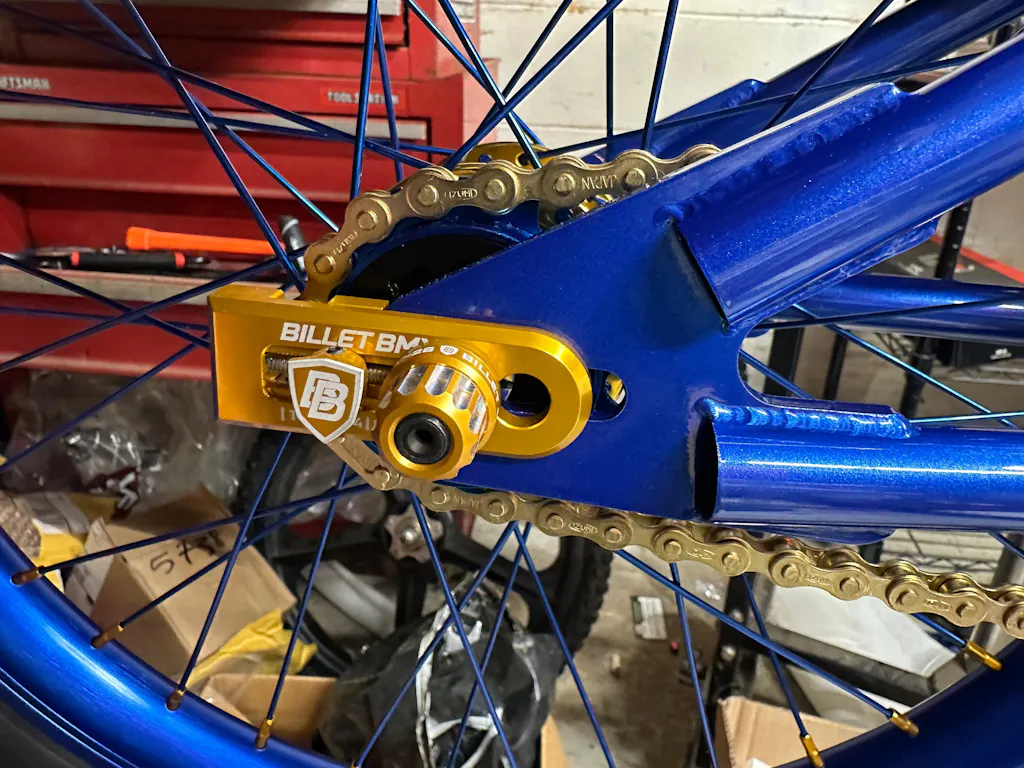
Pricing transparency plays a role too. When bike parts online are listed with clear specs, sizing charts, and compatibility notes, it's much easier to avoid an expensive return because something didn't fit a particular frame or hub.
What to Check Before Adding Anything to Cart
Not all parts labeled "BMX" are built the same way, and a few quick checks can save a lot of frustration later.
Compatibility First
BMX components aren't always universal. Axle sizes, thread pitch, and frame standards vary depending on the bike's age and brand. Before buying bicycle parts, riders should confirm measurements against what's currently on the bike - especially for axles, seat posts, and headsets, where a mismatch of even a millimeter can mean the part won't seat properly.
Material Quality Matters More Than It Looks
Two parts can look nearly identical in a photo and perform completely differently on the trail or in the park. Chromoly steel, for instance, holds up far better under repeated stress than basic high-tensile steel, particularly for frames, forks, and stems. When browsing bicycle parts online, it's worth reading the material spec rather than just the price tag.
Reviews and Ratings Tell the Real Story
Specs only go so far. Real rider feedback usually reveals how a part actually holds up after a few months of regular use - whether a chain tensioner stays tight, whether a brake lever feels solid under hard braking, or whether a seat clamp is prone to slipping.
The Parts Riders Search For Most
Some categories come up again and again when people search bmx parts online, and each one has its own buying considerations.
Chains and tensioners are usually the first things to wear out on a bike that sees regular use. A loose or rusted chain affects performance noticeably, and a properly sized tensioner keeps everything running smoothly between replacements.
Pedals and grips are about contact points - literally where the rider connects with the bike. Pedal pin patterns, grip texture, and overall durability all affect control, especially for riders doing tricks or riding in wet conditions.
Seat clamps and seat posts seem minor until one fails mid-ride. A clamp that doesn't hold tension properly can shift the seat angle unexpectedly, which is more than just annoying - it's a safety issue.
Brakes and brake levers matter even on bikes built for street and park riding, where some riders run brakeless setups but plenty still prefer the extra control, particularly for transportation use or technical riding.
Handle bars, stems, and frames define the bike's geometry and how it responds. Swapping these out is one of the most common ways riders customize fit and riding style without buying an entirely new bike.
Buying bike parts online makes it realistic to source all of these from one place instead of piecing together an order across five different sites.
Building vs. Buying Complete
There's an ongoing debate among BMX riders about whether it's better to buy a complete bike or build one piece by piece using bicycle parts online. Both approaches have merit.
Complete bikes are convenient and usually cheaper upfront, since manufacturers buy components in bulk. But riders who know exactly what riding style they want - racing, street, dirt, or flatland - often prefer building or upgrading part by part. This lets them match every component to their actual riding habits instead of accepting a generic spec sheet.
Billet Bmx has built its catalog around exactly that kind of rider: the one who knows a stock chain tensioner isn't going to cut it, or who wants a stronger axle setup before the next competition. Billet Bmx carries components designed for riders who treat their bike like a tool, not just transportation.
A Few Things That Trip Up First-Time Buyers
Buying bike parts online for the first time, a few mistakes show up consistently. Skipping measurements is probably the biggest one - assuming a part will fit based on the bike's general type rather than its actual dimensions.
Another common issue is ignoring installation requirements. Some parts need specific tools or a basic understanding of torque specs to install safely. A seat clamp tightened incorrectly, for example, can damage the seat post over time.
Price-chasing is the third trap. The cheapest option in a search for bicycle parts online isn't always the worst, but it's worth checking material and reviews before assuming a steep discount means a good deal.
Making the Switch Worth It
Once a rider finds a reliable source for bmx parts online, maintenance and upgrades get a lot less stressful. Instead of hunting across multiple sites every time something wears out, they know exactly where to check first - and what specs to compare.
Billet Bmx has built its reputation on stocking parts that actual riders rely on, not just generic listings pulled from a catalog. Whether someone needs a replacement chain tensioner, a stronger set of axle nuts, or a full handlebar and stem swap, having a trusted source for bike parts saves both time and money in the long run. For riders ready to stop guessing and start upgrading with confidence, Billet Bmx is a solid place to start.
Frequently Asked Questions
1. How do I know which BMX parts are compatible with my bike?
Check the bike's manual or measure existing parts directly - axle diameter, seat post size, and headset type all vary by brand and model year, so matching exact measurements prevents fitment issues and wasted returns.
2. Is it safe to buy BMX parts online instead of going to a local shop?
Yes, as long as the retailer provides clear specs, sizing details, and reviews. Reputable sellers list compatibility information clearly, making it just as reliable as shopping in person, often with better selection.
3. What BMX parts wear out fastest and need regular replacement?
Chains, brake pads, and tires typically wear fastest due to constant friction and stress. Riders who use their bikes daily should inspect these components monthly and replace them before performance noticeably drops.
4. Should beginners build a BMX bike from parts or buy one complete?
Beginners usually benefit from buying complete, since it's simpler and more affordable. Once riding style and preferences become clear, upgrading individual parts lets them fine-tune performance without overspending early.
5. What's the difference between chromoly and standard steel BMX parts?
Chromoly steel is lighter and significantly stronger under stress, making it ideal for frames and forks that take repeated impact. Standard steel works fine for casual riding but wears faster under heavy use.


