

There's no age limit on starting BMX. Plenty of riders pick it up in their twenties, thirties, or later - drawn in by watching local riders session a skatepark, scrolling street riding clips online, or just wanting something more exciting than a regular bike ride. The good news is that BMX is genuinely one of the most approachable action sports to start as an adult. The learning curve is real, but it's manageable, and the community is generally welcoming to newcomers who show up willing to learn.
This guide covers everything a new adult rider needs to know before getting started - the gear that actually matters, basic safety habits, the first skills worth practicing, and how to choose a first bike that won't hold progress back. Whether the goal is casual park riding, street sessions, or just having fun on two wheels again, getting these fundamentals right from day one makes the entire experience smoother. Billet BMX stocks everything covered here, from complete beginner bikes to the safety gear that makes those first sessions feel less intimidating.
Choosing a First BMX Bike
The single most important decision for a new adult rider is the bike itself - and it's also where most beginners get it wrong.
The first mistake is buying from a big-box store. Bikes sold at general retailers that look like BMX bikes are usually built with low-quality steel frames, unsealed bearings, and components that fail quickly under real riding. They're fine for a kid riding around the driveway, but they won't hold up to skatepark use or street riding, and they can't be meaningfully upgraded.
A real complete BMX bike from a proper brand costs more upfront but lasts significantly longer and rides better from the first session. Full chromoly frames - meaning 4130 chromoly steel for the frame, fork, and bars - are the standard for anyone planning to ride regularly. Chromoly flexes and absorbs impact in a way that cheaper hi-tensile steel doesn't, which matters the moment a rider starts landing jumps or dropping off ledges.
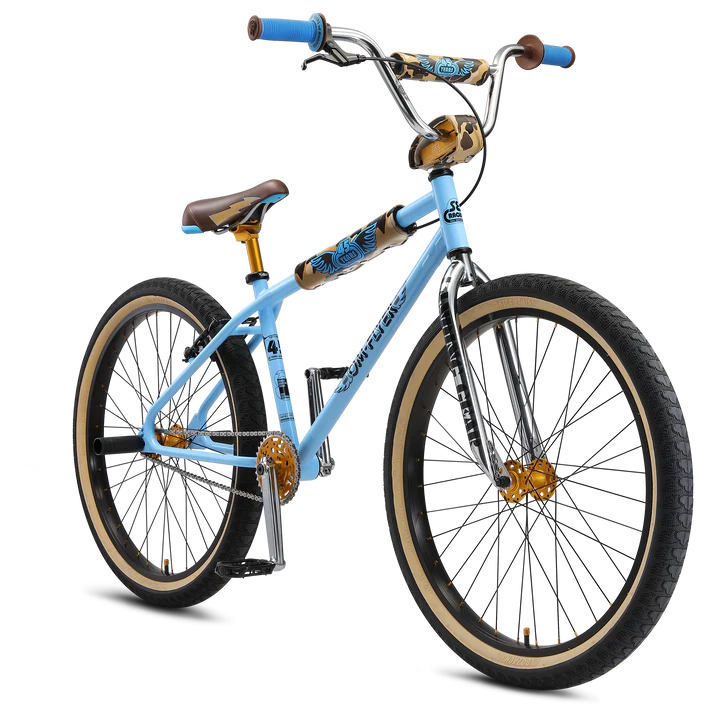
Sizing matters too. Most adult freestyle BMX bikes use a 20-inch wheel, but top tube length - the horizontal measurement that determines how stretched out the bike feels - varies between models. Riders between 5'6" and 5'10" typically fit comfortably on a 20.75-inch top tube. Shorter riders may prefer 20.5 inches, and taller riders often need 21 inches or more. Getting this measurement right makes a noticeable difference in how natural the bike feels from the very first ride.
For someone just starting out, a quality freestyle complete bike is the most versatile choice - it works for park riding, street riding, and general cruising without locking a rider into one specific style before they've figured out what they actually enjoy.
Essential Safety Gear for New Riders
BMX involves falling. Even experienced riders fall regularly - it's part of the learning process, not a sign that something's going wrong. The right safety gear turns falls from painful setbacks into minor inconveniences.
A properly fitted helmet is non-negotiable. BMX-specific helmets offer more coverage at the back and sides of the head than road cycling helmets, which matters when falls happen backward or sideways - common directions for BMX crashes. The helmet should sit level on the head, snug enough that it doesn't shift when shaken, with the strap forming a clear V-shape under the ears.
Knee and elbow pads are the next priority for new riders. Learning involves a lot of low-speed falls and scrapes - sliding out on a manual attempt, catching a pedal wrong, or losing balance at a stop. Pads with hard plastic caps over foam padding protect against both impact and abrasion, which matters significantly on concrete.
Gloves are often overlooked but genuinely useful. Hands are usually the first thing to hit the ground in a fall, and gloves prevent the road rash and scrapes that otherwise turn minor falls into days of discomfort. They also improve grip feel once a rider gets used to riding with them.

Wrist guards are worth considering for riders who fall forward frequently while learning - they limit the range of motion that causes wrist sprains, which are one of the more common minor injuries among new riders.
Basic Skills Worth Practicing First
New riders often want to jump straight into tricks they've seen online, but a handful of foundational skills make everything else easier to learn later.
Comfortable braking and stopping should come first - sounds obvious, but many new riders haven't actually practiced controlled stops at different speeds. Knowing exactly how the bike responds to braking builds confidence for everything else.
Standing pedaling and basic balance come next. Spending time riding without sitting on the seat - standing on the pedals with knees slightly bent - builds the core balance position used in almost every BMX skill. This feels awkward at first and becomes natural quickly with practice.
Bunny hops - lifting both wheels off the ground simultaneously - are one of the most valuable early skills because they translate directly into jumping curbs, small ledges, and eventually actual jumps at the park. Starting with very small hops over a flat line on the ground and gradually increasing height builds the timing needed for bigger moves later.
Manuals - riding on the rear wheel only - take longer to develop but are worth starting early. Even a brief, wobbly manual builds the rear-wheel balance and brake feel that underpins a huge amount of BMX riding, from wheelies down the street to balance during tricks.
Practicing these basics at a quiet, flat location - an empty parking lot, a quiet street, or a low-traffic skatepark during off-hours - removes the pressure of an audience while these movements become natural.
Finding a Community and Building Confidence
BMX is more enjoyable with other people, and most areas have an active local riding scene even if it's not immediately obvious online.
Local skateparks are the easiest starting point. Showing up during off-peak hours - weekday mornings or early afternoons - means fewer crowds and more space to practice without feeling watched. Most riders, even experienced ones, remember being new and are generally encouraging toward beginners who show up consistently.
Online communities and local riding groups on social media are also worth searching for. Many cities have informal group rides, especially in the big wheel BMX and street riding scenes, that welcome new riders regardless of skill level.

Progress in BMX is genuinely non-linear - some skills click quickly, others take weeks of repetition. The riders who stick with it long-term are almost always the ones who treat falls and slow progress as normal parts of the process rather than signs they're doing something wrong.
Closing
Starting BMX as an adult is entirely doable, and the barrier to entry is lower than it might seem from the outside. The right bike, proper safety gear, and a handful of foundational skills practiced consistently are what separate a frustrating start from one that builds real momentum.
Billet BMX stocks complete beginner bikes built with full chromoly frames, along with helmets, pads, and gloves sized for adults - everything needed to start riding safely and confidently from session one. The learning curve is part of the fun. The right setup just makes that curve a lot less steep.
Frequently Asked Questions
Q1: What is the best type of BMX bike for an adult beginner?
A freestyle complete BMX bike with a full chromoly frame is the best starting point for adult beginners. It handles park, street, and general riding versatility while a chromoly frame and fork provide the durability needed for learning falls, jumps, and basic tricks safely.
Q2: What safety gear do adult beginners need for BMX?
A properly fitted BMX helmet, knee and elbow pads, and gloves are essential for new adult riders. Wrist guards are also recommended for riders who fall forward often. These basics turn common learning falls into minor inconveniences instead of injuries.
Q3: What BMX skills should adults learn first?
New adult riders should start with controlled braking, standing pedal balance, bunny hops, and basic manuals. These foundational skills build the balance, timing, and confidence needed for more advanced tricks like jumps, grinds, and spins later in progression.
Q4: Is it too late to start BMX as an adult?
No. Many riders start BMX in their twenties, thirties, or later. The learning curve takes time regardless of age, but adults often progress steadily with consistent practice. The community is generally welcoming to beginners of any age who show up regularly.
Q5: Where can adult beginners buy a quality first BMX bike and gear?
Billet BMX offers complete beginner BMX bikes with full chromoly frames, along with adult-sized helmets, pads, and gloves. Detailed spec listings help new riders choose the right bike size and safety gear to start riding confidently from the first session.


