

Picking up a new BMX bike is exciting - but the bike alone rarely tells the full story. The accessories that come with it, or get added over time, are what turn a stock setup into something that fits a rider's actual style. Some accessories are about protection, others are about performance, and a few are about making the setup look exactly right.
Billet BMX has always understood that riders care about the details. The right BMX accessories aren't just extras - they're what make a build feel complete.
Why BMX Accessories Matter More Than Most Riders Think
A lot of new riders underestimate how much supporting components affect the riding experience. A set of quality pegs changes what tricks are possible on rails and ledges. Proper bar ends prevent injury. A durable chain tensioner keeps the drivetrain dialed for months instead of days.
Accessories also affect how long a bike holds up. Cheap or missing components accelerate wear on the parts that actually cost money to replace. Investing in the right BMX parts and accessories upfront saves time, money, and frustration down the road.
Essential BMX Accessories Broken Down by Category
Pegs
Pegs are one of the first accessories most riders add to a BMX setup. They bolt onto the axles and open up an entire range of grinds, stalls, and slides that aren't possible without them. Steel pegs last longer and slide slower - great for grinding rails. Plastic or nylon pegs slide faster and are easier on ledges without eating the edge.
The number of pegs a rider runs (one, two, three, or four) depends entirely on their trick preferences. Street riders typically run pegs on both sides for flexibility. Park riders sometimes skip them entirely.
Sprocket and Chain Guards
A sprocket guard protects the crank sprocket from grind damage and keeps it cleaner during rough street sessions. It's a small piece of hardware, but riders who grind on their drive side know exactly how fast an unguarded sprocket gets chewed up.
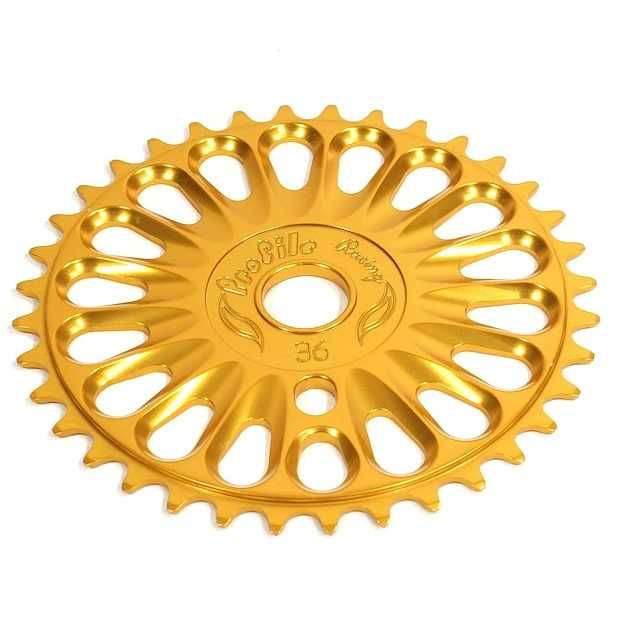
Chain guards serve a similar purpose - they prevent the chain from derailing during technical maneuvers and reduce the chance of the chain slapping the chainstay repeatedly over time.
Pad Sets and Frame Protection
Padding on the top tube, crossbar, and stem is common among riders who do a lot of flatland, trials-style moves, or bail-heavy learning phases. These aren't just for kids - plenty of experienced riders run top tube pads to protect both themselves and the frame during nose manuals and stalls.
Frame protection stickers and clear wraps also fall into this category. They won't change how a bike rides, but they keep a clean build looking fresh for longer.
Grips and Bar Ends
Grips technically fall under accessories and should be treated as a regular maintenance item. Bar ends cap off the handlebars and prevent the open tubing from making contact with the ground - or a rider's body - during a crash. They're inexpensive and often overlooked until the moment they're needed.
Billet BMX offers a full range of grip and bar end combinations to suit different riding preferences and bar sizes.
Stunt Pegs and Axle Hardware
Peg bolts and axle nuts might be the most unglamorous items in BMX, but they're critical. Loose or stripped axle hardware leads to wheel movement, unpredictable handling, and eventually dropped wheels. Quality stainless or chromoly axle hardware is cheap to replace and essential to check regularly.
Protective BMX Accessories for Smart Riders
Helmets and Pads
Helmet choice is non-negotiable. A certified BMX or skate helmet protects against the kind of impacts that happen during progression - unexpected bails, high-speed slams, and awkward landings. Riders who push their limits in parks or on the street should also consider knee pads and wrist guards.

Protective gear isn't about being cautious - it's about being able to ride again tomorrow.
Spoke Protectors
Spoke protectors prevent the chain from slipping into the spokes on the rear wheel. On a BMX setup where chains are under constant tension, this small plastic or metal disc saves rear wheels from damage that would otherwise require a full rebuild.
Upgrades That Improve Performance Right Away
Sealed Bearings and Hubs
Factory hubs on entry-level BMX bikes often use unsealed or low-quality bearings. Upgrading to sealed bearing hubs immediately improves roll, reduces maintenance, and extends the life of the wheels significantly. It's one of the first upgrades serious riders make.
Stems and Clamps
The stem connects the bars to the fork and plays a major role in how the front end of a bike feels. Upgrading from a stock stem to a machined, high-quality option tightens the connection, reduces flex, and gives the front end a more responsive feel across all terrain types.
Brake Hardware and Cables
Not every BMX rider runs brakes, but those who do should make sure the hardware is dialed. Stretched cables, worn pads, and loose lever clamps compromise stopping power when it's actually needed. Fresh brake hardware is cheap and makes a noticeable difference
Building a Complete BMX Setup With the Right Accessories
The goal isn't to buy every accessory at once - it's to build intentionally. Start with the essentials (grips, bar ends, pegs if needed), then add protective gear, then upgrade the performance-focused components over time.
Billet BMX makes it straightforward to find genuine BMX accessories that are built for real riding, not just for the look. Whether a rider is building from scratch or tightening up an existing setup, the right accessories are always available.
A complete, well-accessorized build is one that fits exactly how a rider rides - nothing unnecessary, nothing missing.
Frequently Asked Questions
Q1: What BMX accessories should a beginner buy first?
Beginners should start with proper grips, bar ends, and a certified helmet. These basics improve safety and control immediately. Pegs can be added once the rider develops a consistent style and begins exploring grind-based tricks.
Q2: Do BMX pegs fit all bikes?
Most pegs are designed to fit standard 14mm or 3/8-inch axles, which cover the majority of BMX bikes. Always confirm axle size before purchasing to ensure compatibility. Adapters are available for some non-standard setups.
Q3: How do spoke protectors help BMX riders?
Spoke protectors sit between the sprocket and the rear spokes, blocking the chain from falling into the wheel. They prevent costly spoke damage and wheel rebuilds, making them a smart and inexpensive addition to any setup.
Q4: Are frame pads necessary for experienced BMX riders?
Frame pads aren't required, but many experienced riders still use top tube pads for specific trick styles like flatland or nose manuals. They also reduce frame damage over time, which helps maintain a bike's appearance and resale value.
Q5: How often should BMX accessory hardware be checked?
Axle nuts, stem bolts, and brake hardware should be checked before every session. Loose hardware causes unpredictable handling and can result in serious injury. A simple five-minute pre-ride check is all it takes to stay safe and ride confidently.


