

Most riders obsess over frames, wheels, and sprockets - but the one thing that touches their hands on every single trick, grind, and gap is often overlooked. BMX grips might seem like a minor detail, but choosing the wrong pair can throw off a rider's control faster than any other component. Whether someone is just getting into street riding or has been hitting parks for years, the right grips change how a bike feels entirely.
Billet BMX knows this better than most. The smallest upgrade can have the biggest impact - and grips are proof of that.
What Makes BMX Grips So Important
The Connection Between Rider and Bike
Grips are the only contact point between a rider's hands and the handlebar. That means every pull, push, and pivot passes through them. Soft, worn-out, or poorly sized grips create unnecessary fatigue and reduce responsiveness. Firm, well-designed BMX grips give riders confidence - especially during fast technical lines where hand placement matters.
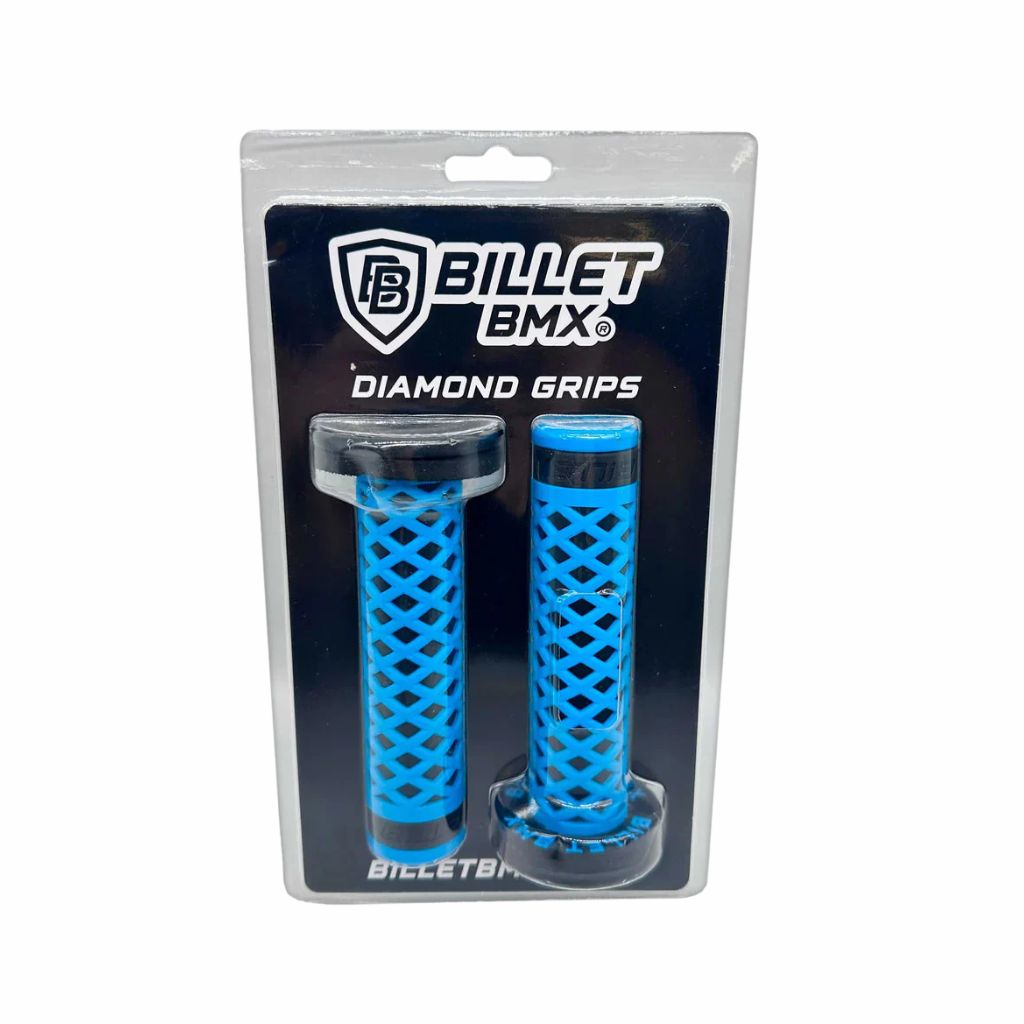
Grip diameter, texture pattern, and material all play a role. Thicker grips absorb more vibration, which helps on rough street terrain. Thinner grips offer a tighter, more direct feel - popular with flatland and park riders who want precision over cushion.
Flange vs. Flangeless BMX Grips
One of the most common questions among newer riders is whether to go with flanged or flangeless grips. Flanged grips have a raised end cap that prevents hands from sliding off during barspins. Flangeless grips are cleaner in look and allow hands to position more freely - a preference for many experienced street riders.
Neither is objectively better. It comes down to riding style and personal feel. Billet BMX carries both styles, so riders can experiment and find what clicks.
How to Choose the Right BMX Grips
Grip Material and Durability
Most quality BMX grips are made from rubber compounds - either soft rubber, hard rubber, or foam. Soft rubber grips offer more traction and comfort on longer sessions. Hard rubber holds up longer and works well for riders who tend to drag hands across surfaces. Foam grips are lightweight but wear out faster under heavy use.
For all-around riding, mid-density rubber is the go-to. It balances grip, durability, and vibration damping without going too extreme in either direction.
Grip Length and Diameter
Standard BMX grips run around 140–165mm in length. Riders with wider bars or who prefer more surface area often go longer. Those who like a minimal setup stick to the shorter end.
Diameter ranges from slim (around 28mm) to chunky (up to 32mm+). New riders tend to prefer thicker grips for added control. Veterans often size down as they develop stronger hand mechanics.
Locking Grips vs. Push-On Grips
Push-on grips are the traditional style - secured with hairspray or grip glue and locked down with end caps. Locking grips use a clamp system to bolt directly onto the bar, making installation and removal far faster. For riders who swap setups regularly, locking BMX grips are a smart investment.
Signs It's Time to Replace BMX Grips
Grips don't last forever. A few clear signs it's time to swap them out:
-
Slipping: If grips spin on the bar mid-ride, they've lost their hold.
-
Tearing or chunking: Any visible damage to the rubber affects performance and safety.
-
Hardening: Over time, rubber dries out and loses its tackiness.
-
Fading grip pattern: The textured surface wears smooth, reducing traction significantly.
Replacing grips is one of the cheapest upgrades a rider can make - and one of the most impactful. A fresh set of BMX grips from Billet BMX can make an old setup feel brand new.
Top Grip Textures for Different Riding Styles
Diamond Knurl Texture
This is the classic BMX grip pattern. The raised diamond shapes provide excellent traction without being too aggressive on bare skin. Works across street, park, and dirt.
Waffle or Grid Pattern
A waffle-textured grip offers consistent grip across the entire surface and handles sweat better than smooth patterns. Common among street riders who tend to session for long stretches.

Ribbed or Vertical Lines
Ribbed grips feel more natural in the hand and allow for subtle rotational adjustments without losing hold. Less aggressive than knurl, which some riders prefer on technical setups.
Matching Grips to Your Full BMX Setup
Grips should complement the overall feel of a build, not fight it. A bike set up for smooth park transitions doesn't need the same grips as one built to destroy street spots. Think about handlebar width, how the bike is typically ridden, and how long sessions usually run.
Riders who take their setup seriously tend to coordinate grip color with other components too - bars, pegs, stem hardware. It's a small detail, but presentation matters in BMX culture. Billet BMX offers a solid range of grip colorways to match any build aesthetic.
In Summary
BMX grips are not glamorous - but they're essential. The right pair improves control, reduces hand fatigue, and makes technical riding feel far more natural. Whether a rider is shopping for their first set or upgrading after years of use, there's a perfect grip for every style.
Billet BMX makes it easy to find that perfect match, with options built for real-world riding conditions and built to last.
Frequently Asked Questions
Q1: How often should BMX grips be replaced?
Most riders replace grips every 6 to 12 months depending on how frequently they ride. Heavy daily sessions wear them down faster, so inspect the texture and firmness regularly to know when it's time.
Q2: Are locking BMX grips better than push-on grips?
Locking grips offer easier installation and removal without adhesives. Push-on grips can feel more traditional. Both work well - the choice depends on whether a rider prefers convenience or a more classic setup feel.
Q3: What diameter BMX grips should beginners start with?
Beginners generally do well with grips in the 30–32mm range. The extra thickness provides more surface area for the hand to hold onto, which improves confidence before technique and hand strength fully develop.
Q4: Can BMX grips affect wrist and hand fatigue?
Absolutely. Grips that are too thin, too hard, or too worn can increase vibration transfer and reduce support. Choosing the right grip compound and diameter makes a measurable difference during longer riding sessions.
Q5: Do BMX grips come in different lengths for different bar widths?
Yes. Standard lengths range from 140mm to 165mm. Riders with wider bars or who prefer more hand surfaces generally go with longer grips, while those with tighter setups often prefer the shorter end of the range.


