

The best group rides rarely end the way they start. A relaxed cruise turns into a dozen riders rolling through town, someone pops a front wheel at a red light, and forty minutes later a rear tire goes flat on a road with no bike shop in sight. The riders who handle that moment well are seldom the most skilled. They are the ones who planned the route, knew the unwritten rules, and carried the right bag.
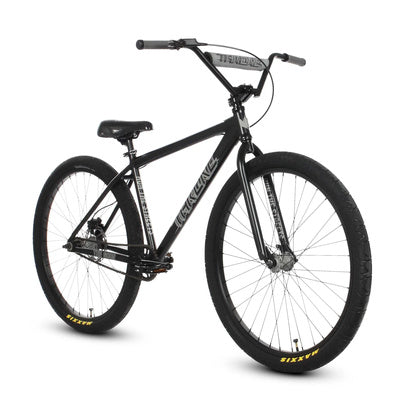
A wheelie bike is built for big, loose, show-off riding, and that is exactly why group outings are popular. Still, a pack of riders on 26, 27.5, and 29 inch wheels needs more planning than a solo spin. Here is how to choose a route, behave in the pack, and fill a bag so a flat or a loose bolt never ends the day.
Why Group Rides Change How a Wheelie Bike Gets Used
Solo riding is flexible. A rider can stop, turn around, or hold a wheelie for as long as the road allows. Group riding trades some of that freedom for shared momentum, and the trade works only when everyone follows the same basic rhythm.
That rhythm has three parts: a route everyone can finish, habits that keep the pack safe, and enough gear that one rider’s problem does not become everyone’s problem. The sections below take them in that order.
Choosing a Route That Works for Everyone
Match the Pace to the Slowest Rider
A route that suits the strongest rider often leaves the weakest one gasping. Group wheelie bike rides run smoother when the distance and pace are set by the newest or slowest rider, with the stronger riders using the extra energy for wheelie practice instead of racing ahead.
A simple test helps: if the slowest rider cannot talk comfortably at the planned pace, the route is too hard.
Pavement, Hills, and Wheelie Spots
Wheelie bikes handle smooth pavement best. Rough surfaces, gravel patches, and cracked sidewalks make the front wheel jump around and wear out tires faster. A good route usually includes:
-
Long, smooth stretches where riders can spread out.
-
A couple of wide, quiet areas, like an empty parking lot or a calm cul-de-sac, for wheelie sessions.
-
Gentle grades. Steep climbs slow the pack and make gearing differences obvious between riders. Those still choosing a setup can read about wheelie bikes with gears versus single speed before the first big ride.
Plan Bail-Out Points
Every route needs a few places where a rider can leave early: a gas station, a park entrance, or a corner near a bus stop. Knowing where those are takes pressure off anyone who is tired, hurt, or dealing with a mechanical problem. Sharing the route on a phone before leaving also means nobody is left guessing at a fork in the road.
Group Ride Etiquette That Keeps Everyone Rolling
Talk Through the Ride
Group rides run on communication. The basics are easy:
-
Call out hazards early: “hole,” “glass,” “car back,” “stopping.”
-
Use hand signals for turns and stops, and point out road debris.
-
Ride in a staggered line when the road is narrow, and shift to single file when cars approach.
-
Leave room. A wheelie that goes sideways needs space around it.
Traffic laws apply to everyone in the group, and a pack that blocks an intersection or ignores red lights gives wheelie riding a bad name.
Wheelie Courtesy
Holding a wheelie in the middle of a tight pack is a recipe for a crash. The better habit is to move to the side or the back of the group, check for space, and announce the move. A dropped wheelie can land in the path of the rider behind, so spacing matters more than showing off.
Around pedestrians, parked cars, and kids, wheelie sessions should wait. The goal is for the neighborhood to wave at the next ride, not complain about it.
When Someone Flats
A flat is not one rider’s failure. It is a group event. The pack stops, moves out of traffic, and helps. One rider holds the bike, another pulls tools, and the person with the pump goes to work. Leaving a rider behind to deal with a flat alone is the quickest way to lose a riding crew.
A no-drop rule, where the group waits for anyone who needs help, also sets a better tone for new riders thinking about joining.
What to Carry in the Bag
A group ride bag should be light, easy to reach, and organized around the problems most likely to happen: flats, loose parts, and minor injuries.
| Item | Why It Matters | Best Place to Carry |
|---|---|---|
| Spare tube | Fastest fix for most flats | Frame bag |
| Tire levers and patch kit | Backup when the spare tube fails | Frame bag |
| Portable tire pump | Reinflates the tire after the fix | Backpack or frame mount |
| Multi-tool and axle nut wrench | Tightens bars, seat, and wheels | Handlebar pack |
| Water and snack | Keeps energy up on longer routes | Backpack |
| Phone, ID, and cash | Handles emergencies and rest stops | Zipped pocket |
| First-aid pouch | Covers scrapes until home | Backpack |
Flat-Fix Essentials
Punctures are the most common ride-ender. A correct-size spare tube, tire levers, and a patch kit cover almost every case. Compact Park Tool TL-4.2 tire levers and a Park Tool GP-2 patch kit take almost no space.
A portable tire pump finishes the job. A spare tube without a way to inflate it is dead weight. Riders unsure whether a small pump can really handle bigger tires can look at this explainer on whether a portable air pump can fill tires, and the tire pumps collection has several options sized for bag carry.
Tools Worth the Weight
A multi-tool with hex keys and a screwdriver handles most bar, stem, and brake adjustments. Wheelie bikes often use axle nuts instead of quick-release levers, so a compact wrench or socket that fits those nuts belongs in the bag. Riders unsure about the correct size can check this guide to BMX axle nut thread sizes. A few extras round things out: a master link or chain tool, a short length of tape, and a few zip ties, which can hold surprising amounts together until home.
Personal Items
Water, a snack, a phone, ID, and a little cash cover the basics. A basic first-aid pouch with bandages and wipes handles scrapes. Gloves and a properly fitted helmet go on before the ride starts, and riders weighing options can compare styles in this breakdown of full-face versus half-shell BMX helmets.
Packing Without Wrecking the Balance
A heavy backpack changes how a wheelie bike behaves. Weight high on the shoulders shifts the balance point, which makes holding a wheelie harder and can strain the lower back on long rides. Keeping the load low and close to the frame helps.
Frame bags and handlebar packs keep weight near the center of the bike. A Merritt Corner Pocket MKII frame bag tucks into the frame triangle, while an Odyssey Switch Pack mounts to the bars or frame for small items that need quick access. Riders planning to carry more can browse the full bags and backpacks collection, and those building a kit around a favorite crew’s look can start with ride out gear from Ride Out Supply.
Whatever the choice, the bag should be tested at home first. A packed bag that bounces, rubs, or swings will only be worse after ten miles.
A Two-Minute Check Before Rolling Out
Most mechanical problems show up before the ride starts. A quick check at the meeting spot catches many of them:
-
Squeeze both tires. They should feel firm and match what the sidewall suggests.
-
Spin the wheels and look for rubbing or wobble.
-
Test the brakes if the bike has them.
-
Tug the bars, stem, and seat to check for looseness.
-
Look over the chain and axle nuts.
A rider who finds a problem at the meet-up fixes it with the crew around. A rider who finds it five miles in does the same repair alone.
Frequently Asked Questions
What is a wheelie bike group ride?
A wheelie bike group ride is an organized or informal outing where riders cruise a shared route together, often stopping for wheelie sessions along the way.
What should be in a wheelie bike repair bag?
Basics include a correct-size spare tube, tire levers, a patch kit, a portable tire pump, a multi-tool, and a wrench that fits the axle nuts.
How fast should a wheelie bike group ride move?
The pace should match the slowest rider. Group rides work best at a relaxed cruising speed with regular regroup stops, so nobody gets dropped behind.
Is it okay to do wheelies in the middle of a group?
Only with enough space. Riders should check around them, call out the move, and stay clear of others so a dropped wheelie never lands in someone’s path.
Is a portable tire pump worth carrying on a wheelie bike ride?
Yes. A portable tire pump lets a rider reinflate a patched or replaced tube on the spot, which keeps a flat from ending the whole group ride.
Conclusion
A good group ride is mostly invisible work: a route that fits everyone, a few shared habits, and a bag that handles the usual problems. None of it takes much time, and all of it keeps the focus on the part riders came for, rolling out together and getting a few good wheelies in.
For anyone planning the next outing, a quick shopping trip to Billet BMX covers bikes, bags, pumps, and the small parts that rarely get thought about until they are missing.
Ready for the Next Group Ride?
Pick a wheelie bike and pack the gear that keeps the crew rolling.
Shop Wheelie Bikes


