
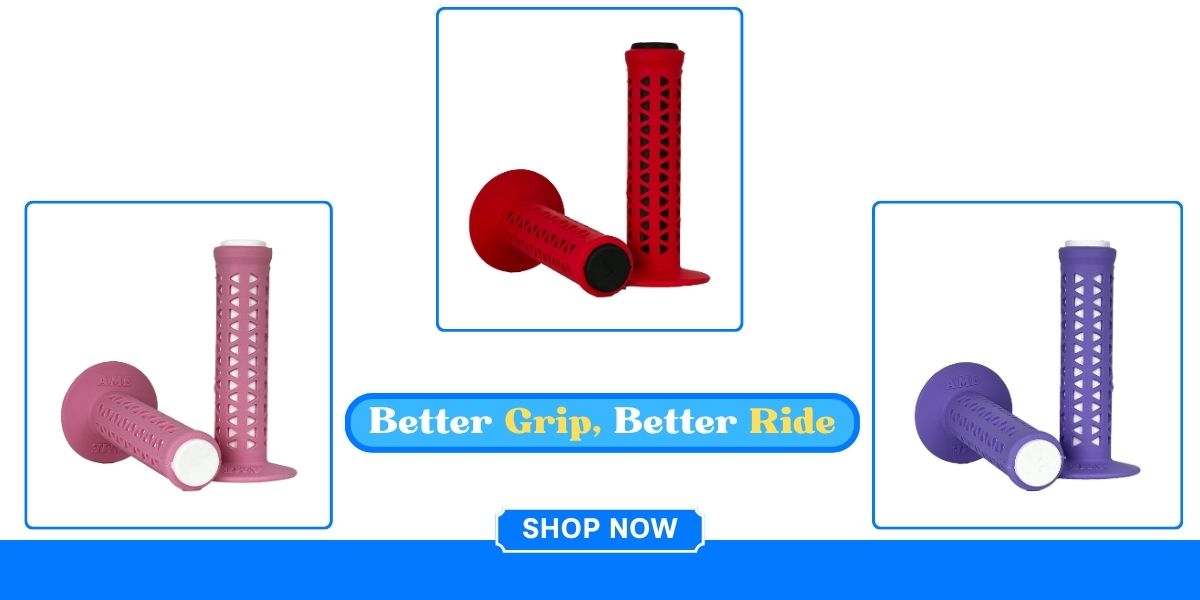
Here's something most riders figure out the hard way - getting your BMX bike grips right matters more than almost any other part of your setup. Not the frame. Not the wheels. Your grips. They're the only thing connecting your hands to the machine, and if they're wrong for how you ride, every session suffers for it.
Whether you're replacing a worn-out pair or building a fresh setup from scratch, this guide cuts through the noise and helps you land on the right choice. And if you're ready to shop, Billet BMX carries a solid range so you're not stuck guessing between random brands.
Why Your Grips Actually Matter
Think about it this way - your feet have pedals, your body has a seat, but your hands only connect to the bike through a thin cylinder of rubber or foam. Every barspin, every landing, every tight turn runs through that contact point.
Bad grips mean your hands fatigue faster. They slip at the wrong moment. They kill

your confidence on tricks you've landed a hundred times before. A good pair of BMX handlebar grips won't magically make you a better rider, but they'll stop holding you back - and that's not a small thing.
The Contact Point Most Riders Ignore
Stock grips are built to a price point, not a performance standard. They're on the bike to fill the spec sheet, not to support your riding. Most riders upgrade their chain, their pedals, even their stem - and then wonder why their hands are still cramping on longer sessions. Nine times out of ten, the grips are the last thing to get swapped. They should be one of the first.
Types of BMX Grips and What Each One Does
Getting this part right is what separates a smart upgrade from a wasted purchase.
Flanged Grips
These are the most common styles in BMX and for good reason. The raised collar at the outer end of the grip acts as a physical stop for your palm. During hard landings and aggressive riding, that collar keeps your hand locked in place rather than creeping toward the end of the bar. If you ride with brakes, flanged handlebar grips also give your lever finger a cleaner reference point. Most riders doing street, park, or cruiser sessions default to flanged for exactly this reason.
Flangeless Grips
Flangeless grips have a clean, open end on both sides. This makes them the go-to for riders who do barspins regularly - your palm catches the bar without anything in the way. The trade-off is that without that outer collar, your hand position shifts slightly more during aggressive riding. Some riders love that freedom. Others find they prefer the structure of a flange. If barspins are a big part of your sessions, flangeless is worth trying.
Lock-On Grips
Lock-on grips use a clamp system to bolt directly onto the handlebar rather than relying on friction and adhesive to stay put. They don't rotate. They don't slip. You can swap them in minutes without the usual wrestling match that comes with slip-on installation. The slight downside is that they're a bit heavier, and the clamp hardware adds a small amount of bulk near the stem. For riders who do long sessions without gloves, lock-on grips are often the smarter choice because you get security without sacrificing feel.
Materials: Rubber, Foam, and What's Worth Your Money
Rubber
Rubber is the most durable material on the market for this application. It holds its texture through heat, cold, and sweat. If you ride year-round or in humid conditions, rubber BMX handlebar grips outlast everything else. They're also the most forgiving choice for riders who haven't quite nailed their installation technique yet.
Foam
Foam grips are softer and lighter straight out of the packaging - no break-in period. They feel great immediately. The catch is that they wear faster than rubber, especially for daily riders. If you're riding a few times a week at the park and you like a plush feel under your hands, foam works well. Just expect to replace them more often.
Sizing: Length and Diameter Both Matter
Most standard BMX bike grips run between 155mm and 165mm in length. Street and park riders generally stay in that range because it gives your hands room to shift slightly without crowding the stem area. Going shorter can make longer sessions feel cramped. Going longer eats into your stem clearance.
Diameter is where personal preference really kicks in. Thinner grips in the 27–29mm range give you sharper, more direct feedback from the bar - you feel exactly what the front end is doing. Thicker grips in the 30–32mm range absorb more vibration and cushion your hands over time. Cruiser riders and anyone doing longer rides on their BMX tend to go thicker. Technical street riders often go thinner.
There's no objectively right answer. What matters is matching the feel to what your style of riding actually demands.
Choosing Grips for Your Riding Style
Street riding - You want a firm rubber compound with a good pattern for traction. Your hands take impact from drops, rails, and rough pavement constantly. Soft compound with solid grip texture is the target.
Park and ramps - A medium compound works well here. You're not dealing with raw pavement shock as much, so a slightly softer grip can actually improve feel on the bar without sacrificing control.
Cruising and big wheel rides - Comfort matters more here than raw traction. A thicker, softer grip reduces hand fatigue on longer rolls and makes cruising more enjoyable over time.
If you've been riding the Zooz e bike or the SE Bike Big Ripper - both popular builds among Billet BMX customers - the grip choice follows the same logic. Comfort on longer rides, traction if you're doing tricks.
Shop BMX Grips at Billet BMX
Billet BMX carries grips across all categories - flanged, flangeless, lock-on, rubber, and foam - so you can actually match what you ride rather than just picking whatever ships fastest. If you're building a new setup or just ready to replace a worn pair, the selection is there.
Frequently Asked Questions
Q: How often should I replace my grips?
Most riders replace them every few months with regular use. Replace sooner if they feel slippery, torn, or loose on the bar.
Q: Do all grips fit all BMX handlebars?
Yes - the standard inner diameter is 22.2mm, which fits virtually all BMX handlebar setups without compatibility issues.
Q: Are flanged or flangeless grips better for barspins?
Flangeless grips work better for barspins. The open end gives your palm an unobstructed catch every time without anything in the way.
Q: What's the easiest way to install slip-on grips?
Use rubbing alcohol - pour a small amount inside the grip, slide it on, and let it dry. It locks the grip firmly without permanent adhesive.
Q: Are lock-on grips worth the extra cost?
Yes, if you ride hard without gloves. Lock-on grips won't rotate or slip mid-session, and the swap-out process is far quicker than traditional slip-on installation.


